
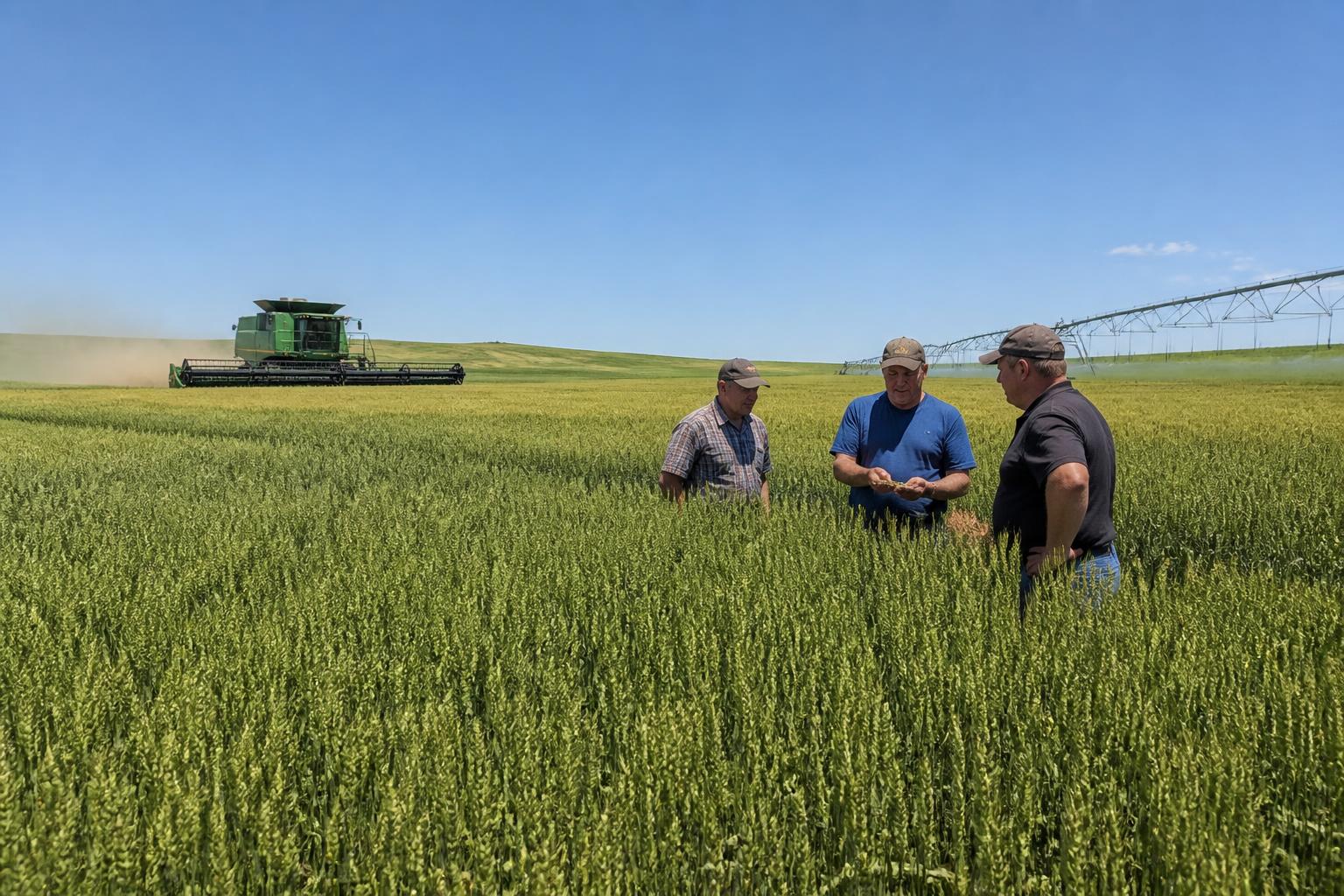
As mid-summer settling takes hold across South Dakota, growers are transiting from early-season field applications to evaluating their nutrient requirements for the upcoming seasons. However, the international market is presenting new hurdles. Recent geopolitical developments, specifically escalating conflicts involving Iran, are driving up global fertilizer costs and reintroducing a high degree of uncertainty into the supply chain. For South Dakota agribusinesses and crop producers, this volatility requires a sharp eye on procurement timelines and localized logistics.
With global supply routes and energy markets feeling the strain of overseas tensions, local dealers along major South Dakota transit corridors like Interstate 29 and Interstate 90 are urging producers not to delay their nutrient purchasing decisions. Proactive booking and early collaboration with local cooperatives are emerging as the primary defense against unexpected cost spikes and shipping bottlenecks.
Global Pressures and Rising Input Costs
The global fertilizer trade is highly sensitive to energy prices and geopolitical stability. Recent escalations in the Middle East have disrupted key shipping lanes and increased energy manufacturing costs, which directly translates to higher production costs for nitrogen, phosphorus, and potassium-based products. This international pressure is felt acutely at the local level, where retailers must balance high replacement costs with regional demand.
Agricultural analysts point out that South Dakota crop producers, who are already managing tight operating margins, must navigate these rising prices carefully. This current dynamic mirrors the challenges of navigating volatile input markets in South Dakota, where early seasonal planning and structured hedging are essential to securing supply before prices climb further out of reach.
Proactive Planning and Co-op Partnerships
To mitigate these market disruptions, major agricultural cooperatives and retail networks are taking steps to secure reliable volumes for their members. Industry leaders emphasize that proactive planning is the most effective tool to guarantee that physical product is positioned where it is needed most. Rather than waiting for the traditional fall rush, many retail operations are actively sourcing and booking tons ahead of schedule.
In addition to early procurement, some of the region's largest agricultural cooperatives are forming strategic purchasing partnerships. By pooling their buying power, these entities can negotiate more favorable terms with global manufacturers, helping to shield local growers from the worst of the wholesale price spikes. For South Dakota farmers, this highlights the value of maintaining close communication with local grain and input cooperatives to lock in pricing during brief market dips.
Local South Dakota Logistics and Shipping
Sourcing fertilizer is only half the battle; transporting it to the farm gate is another critical component. During the busy summer months, freight availability can fluctuate rapidly as dry bulk commodities move throughout the region. Distributors and transport carriers must remain agile, ensuring that trucks are lined up to move products from regional terminals to local retail hubs.
To keep the supply chain moving efficiently, growers and retailers must also navigate regional logistics, keeping in mind that South Dakota summer roadside rules and freight shifts can impact the timely delivery of bulk nutrients. Understanding local load restrictions, seasonal traffic patterns, and driver availability remains essential to avoiding delivery delays during key application windows.
Key Takeaways for South Dakota Producers
- Monitor Global Events: Geopolitical tensions, particularly in the Middle East, continue to act as a primary driver of wholesale fertilizer price volatility.
- Engage in Pre-Buying: Working with retail suppliers to book fall and next-spring needs early can help cap price exposure.
- Leverage Cooperative Strengths: Regional purchasing partnerships among cooperatives are helping stabilize local supply channels.
- Coordinate Transportation Early: Align nutrient deliveries with local trucking availability to avoid mid-summer and early-fall freight bottlenecks.
What it means for the market
The South Dakota fertilizer market is entering a phase where logistics and global macroeconomics dictate local prices more than typical seasonal demand. Producers who wait until the last minute to secure nutrients risk facing higher prices and potential supply tightness. Moving forward, agribusinesses that prioritize proactive supply chain management and strong retail partnerships will be best positioned to protect their operational margins against global market shocks.
Comments
No comments yet - be the first to share your take.