
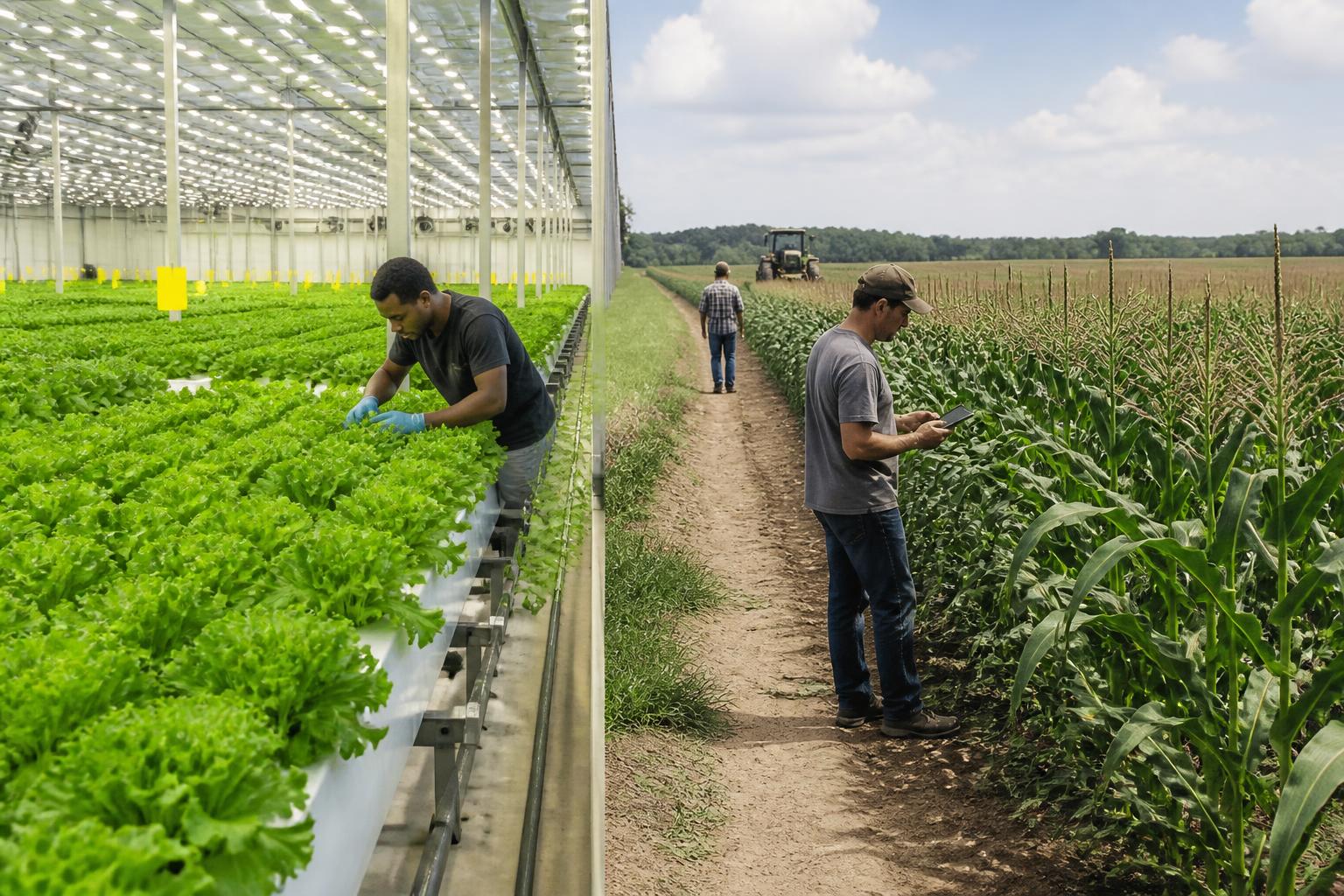
Redefining the Northeast Food Supply Chain
Regional logistics and production models are undergoing a noticeable shift this summer. The Northeast supply chain is experiencing a wave of adaptation, highlighted by efforts to establish the world's largest indoor farming operations in the region. This transition aims to improve local food security and reduce the transport miles required to move fresh produce from field to table.
In tandem with these commercial developments, growers are showing an increased interest in alternative soil amendments. The global vermicompost market is projected to experience strong growth over the next decade, offering organic and conventional growers in New York viable options to diversify their soil health programs. In many rural counties, utilizing these localized inputs can help buffer farms against unpredictable commercial supply chains and support long-term soil structure.
The Input Dilemma: Tariffs, Prices, and Weedkiller Clearance
Despite some stabilization in domestic supply lines, agricultural input costs remain a primary concern for New York agribusinesses. High prices stemming from geopolitical tensions, such as conflicts in the Middle East and ongoing tariff pressures, have created a challenging economic environment. Farmers continue to face what many describe as a double whammy of elevated operational costs and international market friction.
Interestingly, recent market analysis suggests that higher fertilizer prices are not directly linked to natural gas fluctuations as they historically have been, indicating that other supply chain bottlenecks and global trade policies are driving current retail pricing. On the regulatory front, there is some relief for weed management strategies. The U.S. Fish and Wildlife Service recently cleared a widely used weedkiller, concluding that its application will not cause species extinctions, which provides more regulatory certainty for seasonal spray programs. Understanding these shifting dynamics is essential when executing proactive crop protection plans in New York to mitigate weed pressure while managing expenses.
Hedging Strategies for Summer 2026
For grain growers along the Interstate-90 corridor and throughout the major production basins, market volatility is prompting a closer look at forward pricing. Agricultural economists are encouraging producers to evaluate their hedging options for the upcoming seasons. For example, deciding whether to lock in corn prices near the five-dollar mark or wait for potential late-season rallies is a critical point of discussion at local grain elevators.
Given the high-cost environment, waiting too long to secure downside protection could expose operations to unnecessary risk. Forward contracting, options, and localized basis contracts are highly recommended tools to establish a price floor, especially as international export demand remains subject to sudden policy shifts.
Key Takeaways for New York Operators
- Watch Alternative Inputs: The growing availability of regional indoor-grown resources and alternative options like vermicompost can provide excellent alternatives to traditional synthetic inputs.
- Mitigate Risk Early: Analyze the costs of crop production and consider hedging strategies to lock in stable prices rather than relying solely on the spot market.
- Stay Ahead of Regulatory Shifts: Keep a close watch on federal environmental decisions that may alter chemical application guidelines or product availability during the active growing season.
What it means for the market
The New York agricultural market is operating in a high-stakes environment where local supply chain innovations are colliding with global economic headwinds. Success this summer will require sharp financial management, quick adaptation to domestic shipping patterns, and a willingness to secure crop prices early. By closely monitoring local transport networks and global trade developments, Empire State farmers can protect their margins and position themselves for a successful fall harvest.
Comments
No comments yet — be the first to share your take.