
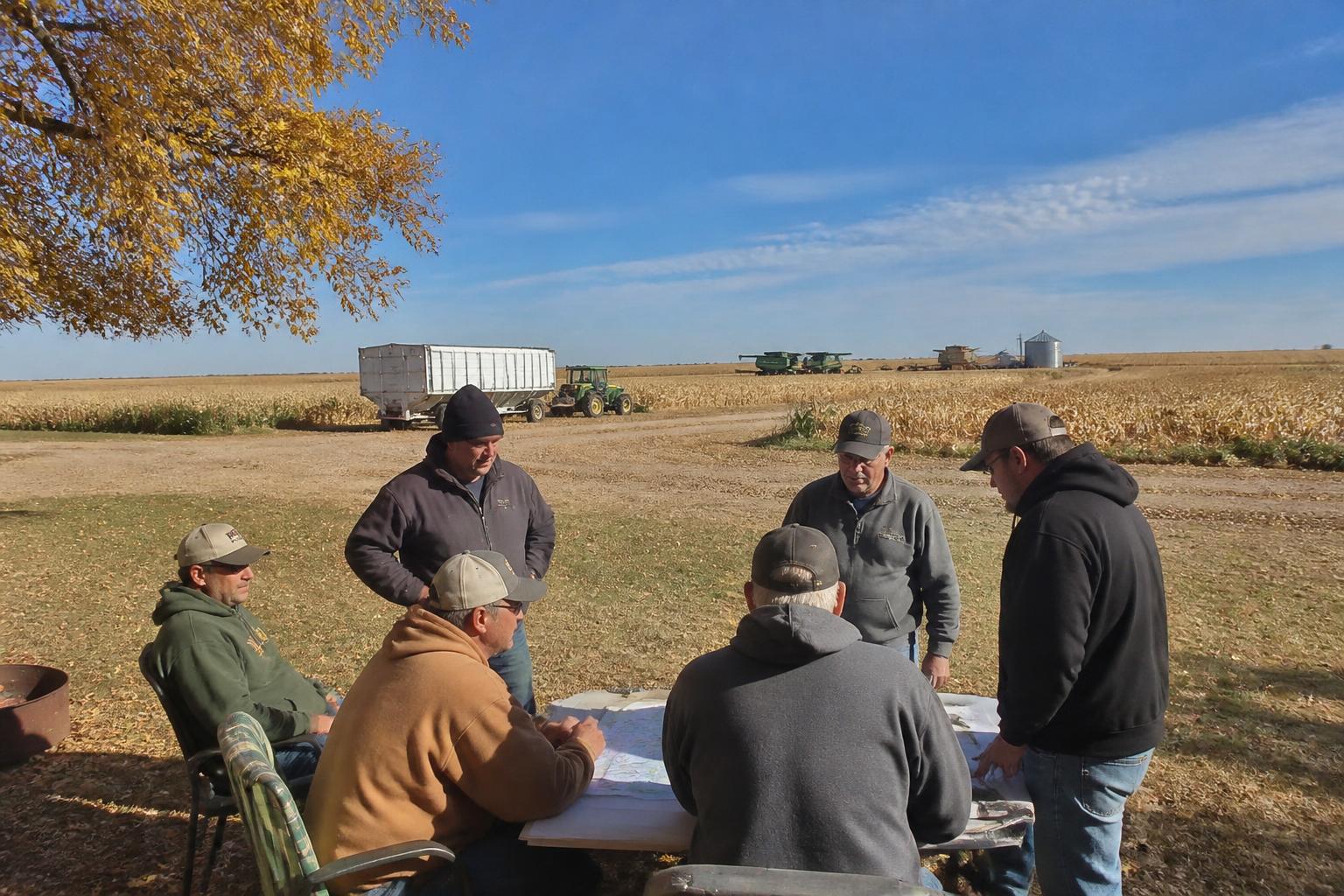
With the autumn harvest season concluding across North Dakota, agricultural stakeholders are shifting their focus from field operations to long-term strategic planning. As producers in regions like the Red River Valley and the western plains review their final yields, the conversation is increasingly dominated by the necessity of legislative action. Industry leaders are currently emphasizing the urgency of finalizing a new Farm Bill before the calendar year closes to provide necessary policy certainty for the upcoming cycle.
Legislative Impact on Local Operations
The push for federal support remains a central theme for North Dakota agribusinesses. Local advocates have been vocal about the need for a comprehensive Farm Bill that addresses current economic pressures, particularly as farmers navigate evolving input costs and global supply chain dynamics. Ensuring robust, stable safety nets is viewed as a critical component for maintaining financial resilience for North Dakota farms throughout the winter months.
Market Volatility and Yield Signals
As the market moves deeper into November, observers are closely monitoring whether realized yields will trigger significant shifts in local grain pricing. While the harvest phase is largely complete, the logistical task of storing and marketing remains a priority for elevators and producers alike. Many operators are utilizing this period to refine their risk management strategies, balancing the need for immediate cash flow against potential price improvements in the new year.
Refocusing on Farm Management
Beyond immediate logistical concerns, the current environment has encouraged a back-to-basics approach to farm management. Many producers are re-evaluating the fundamental drivers of their operation, from soil health initiatives to precision logistics, ensuring that each decision is grounded in data and operational efficiency. As the state moves into the slower winter months, this period of analysis serves as a foundation for next year's planning.
What it means for the market: For grain handlers, carriers, and input buyers, the focus remains on navigating uncertainty. With federal policy pending and market signals in transition, a cautious approach to inventory and forward contracting is likely to prevail as the industry heads into the final quarter.
Comments
No comments yet - be the first to share your take.