
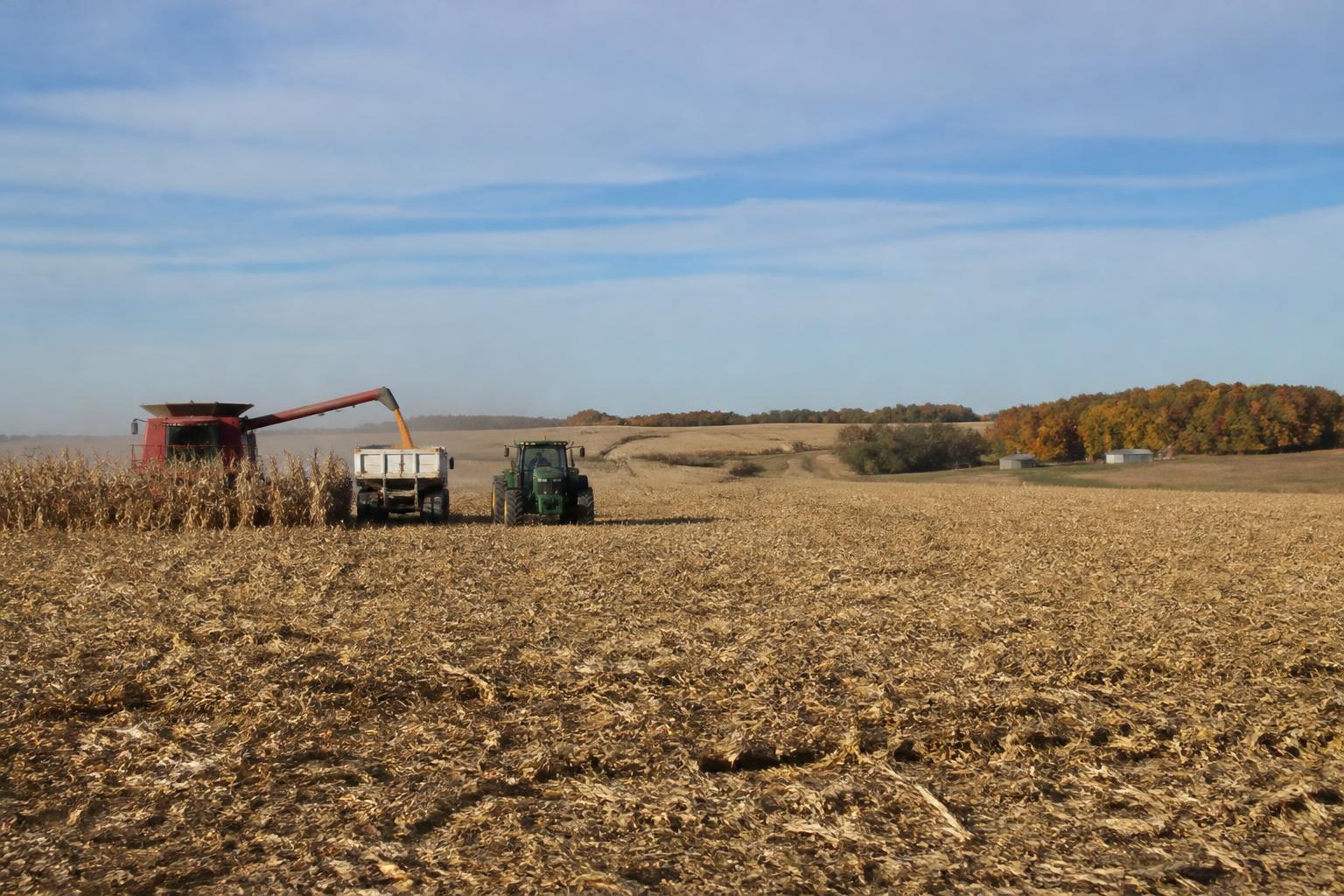
As the final stages of the fall season bring field work in North Dakota to a close, producers and agribusinesses are shifting their attention toward long-term planning. Recent developments, including new appointments to state research boards and a focus on optimizing land use and risk management, highlight the importance of adaptability in the current economic climate.
Investing in Agricultural Growth and Sustainability
State-level initiatives are playing a critical role in diversifying the sector. Recent funding for specialty crops demonstrates a commitment to expanding the scope of North Dakota agriculture beyond traditional commodities. These grants aim to foster innovation, helping farmers explore new markets and mitigate risks associated with over-reliance on a single crop variety.
Furthermore, the integration of new perspectives on state research boards is expected to bridge the gap between field-level challenges and policy-driven solutions. For many operators, this means a more direct line to resources that can help navigate the complexities of modern farming, from evaluating financial protection to improving operational efficiencies.
Logistics and Biofuel Market Shifts
The landscape for grain handling and processing is also evolving. Recent corporate acquisitions within the biofuel and ethanol space suggest a long-term interest in low-carbon fuels and expanded processing capacity. For growers, these shifts may signal a change in local demand patterns for corn and other feedstocks, potentially affecting basis levels in the coming seasons.
As operations conclude for the winter months, producers are encouraged to assess their soil health and equipment needs. Understanding the cost-benefit of late-season management practices is essential for maintaining liquidity and operational stability as the industry heads into a new calendar year.
What it means for the market
The combination of targeted grants, research board expansion, and consolidation in the biofuel sector points toward a more diversified and technologically driven North Dakota market. Producers should stay alert to changing local demand for feedstocks and leverage available state support to ensure their operations remain resilient against broader market volatility.
Comments
No comments yet - be the first to share your take.