
As summer settles over Rhode Island this June, local growers, smallholders, and livestock producers are navigating a unique intersection of community-scale agritourism, urban waste-management programs, and coastal environmental policy. Operating in the nation's smallest state requires a fine balance between tight spatial planning and active public engagement. From the fields of Washington County to historic coastal properties, managing inputs and public traffic remains central to summer operations.
Local Soil Inputs and Regulatory Friction at Quonset Point
Soil management and organic waste processing have taken center stage in local municipal discussions. In North Kingstown, home to the Quonset Business Park, local municipal leaders have challenged federal regulators over permitting for a local sludge processing facility, raising concerns about environmental standards and waste-processing classifications in the Narragansett Bay watershed. For regional growers who rely on compost and local organic soil conditioners, these regulatory developments highlight the complexity of securing consistent, approved local fertilizer inputs.
Simultaneously, initiatives like the City of Providence compost programs highlight a growing municipal push to divert organic waste. For nearby market gardens and urban farmers, these localized organic waste streams offer an alternative to volatile commercial fertilizers, though scaling these programs to meet agricultural-grade standards remains a challenge. Balancing environmental protection with the demand for affordable nutrients is a primary focus for Rhode Island growers implementing Rhode Island summer crop protection strategies.
The Economic Engine of Coastal Agritourism
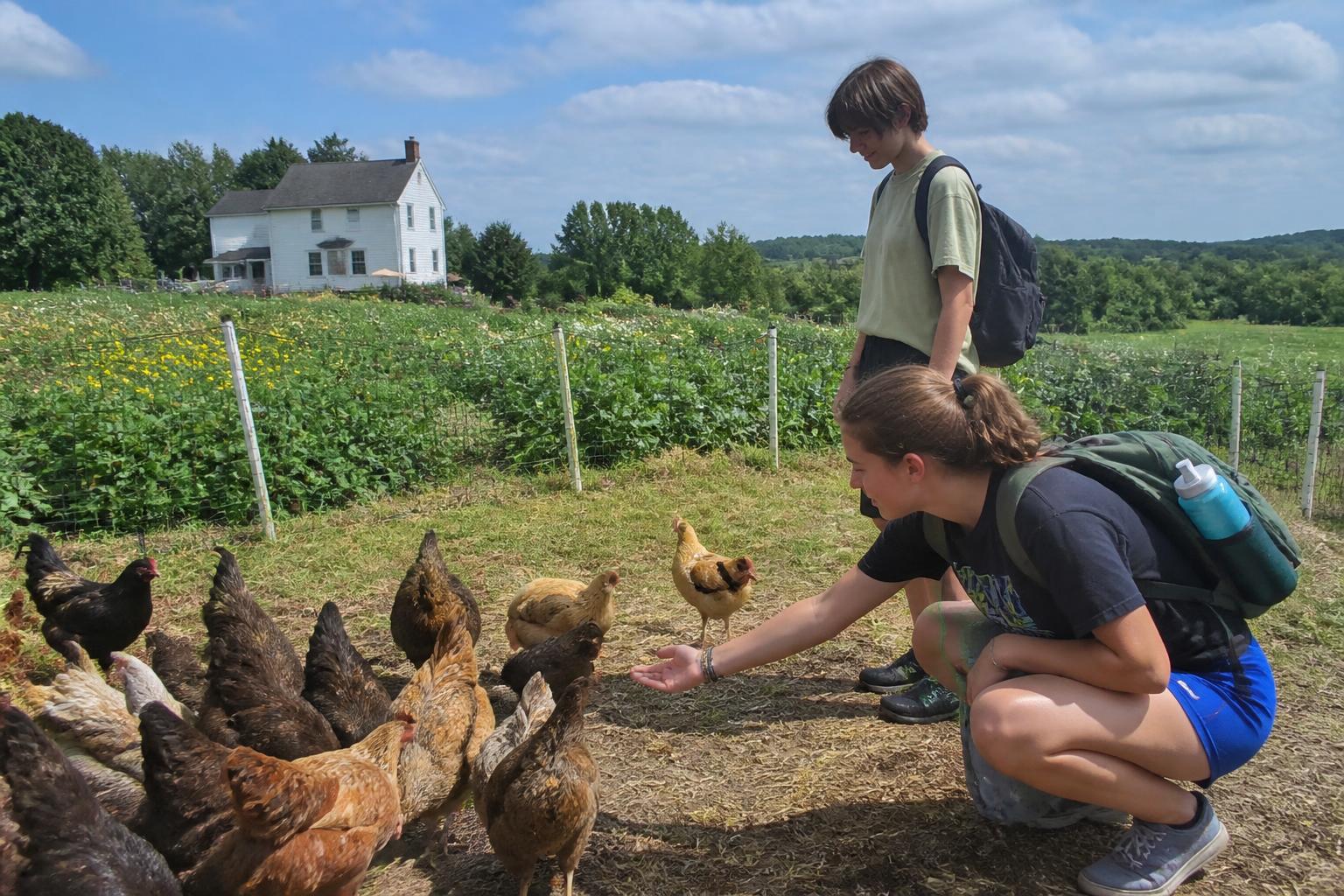
Agritourism continues to provide vital diversified revenue for historic Rhode Island farms. Operations like the historic Casey Farm in North Kingstown frequently host educational visits and community programs, welcoming students from urban centers like Warwick and Cranston to learn about poultry, vegetable production, and historic coastal farming techniques. These interactions are critical for building direct-to-consumer relationships and supporting the financial viability of small-scale New England farms.
However, hosting public events during the peak summer travel season introduces distinct operational challenges. Increased rural road traffic and localized logistics bottlenecks require careful planning. Farm operators must actively coordinate public access with daily field chores, livestock handling, and harvest schedules, making managing seasonal farm logistics a critical component of a successful summer season.
Federal Policy and Coastal Climate Resilience
Beyond state lines, federal discussions are shaping long-term planning for coastal agricultural communities. Recent U.S. Senate panel hearings have examined how climate variability impacts federal agricultural spending and crop insurance programs. In coastal states like Rhode Island, where extreme weather events and rising sea levels can directly impact low-lying coastal farmland, growers are watching these policy debates closely. The focus on climate-resilient farming practices aligns with local efforts to improve soil health and protect critical coastal estuaries from agricultural runoff.
Key Takeaways for Ocean State Producers
- Diversify Soil Inputs: Monitor municipal compost programs and regional organic waste updates to supplement standard commercial nutrients.
- Streamline Agritourism Logistics: Plan public visiting hours and educational farm tours to minimize disruption to peak harvest and field maintenance times.
- Track Environmental Permits: Stay informed on local regulatory decisions regarding industrial processing and sludge management near coastal watersheds.
What it means for the market
For the Rhode Island agricultural market, success this summer depends on operational agility and strong community connections. While global commodity markets and federal climate policies dictate long-term planning, the immediate financial health of local farms is tied to direct-to-consumer sales, educational programs, and local input availability. Producers who can successfully navigate municipal regulations while capturing high summer tourism demand will be best positioned to offset high input costs and build long-term operational resilience.
Comments
No comments yet — be the first to share your take.