
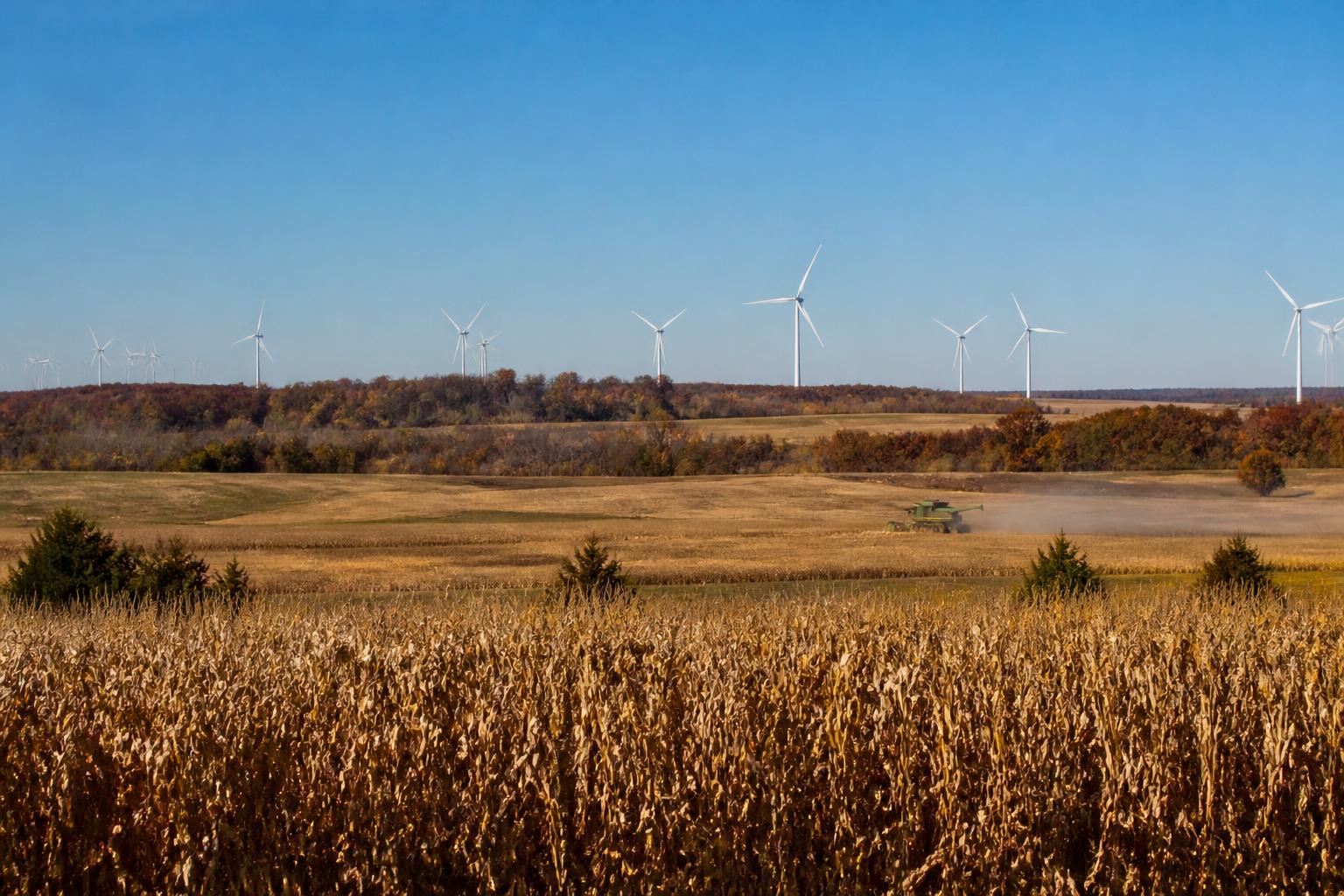
As the Rhode Island agricultural community moves through the final stages of the fall season, producers and landowners are balancing traditional field management with an increasingly complex investment and energy landscape. Market participants are looking toward flexible entry points in farmland as a way to manage capital, while regional infrastructure projects continue to reshape the state's rural utility footprint.
For those looking to diversify, understanding the liquidity of various farmland investment vehicles is becoming a priority. As noted in recent Rhode Island ag transport and logistics discussions, optimizing operational assets is essential when shifting strategies toward long-term land holdings. Whether considering direct acquisition or managed funds, farmers are advised to weigh liquidity rankings carefully against their specific annual cash flow needs.
The Impact of Renewable Infrastructure on Local Land
The operational status of large-scale offshore energy projects, such as the recently completed wind initiatives, often carries indirect consequences for local agricultural operators. In some regions of Rhode Island, the expansion of utility grids and support infrastructure can influence land use patterns. Producers should keep a close watch on how these transmission developments might intersect with current or future field access points and rural road capacity.
Key Takeaways for Producers
- Strategic Liquidity: When exploring investment funds, prioritize liquidity levels that align with the cyclic nature of harvest and planting windows.
- Infrastructure Monitoring: Stay updated on local energy grid expansions that could impact logistics routes or land rental viability.
- Operational Planning: With the end of the fall season approaching, now is the time to audit asset structures before the winter planning phase begins.
What it means for the market: The intersection of traditional farming and modern investment strategies requires a heightened focus on adaptability. As land values and infrastructure demands fluctuate across Rhode Island, producers who prioritize liquidity and remain informed on regional development trends will be better positioned to navigate the coming fiscal year.
Comments
No comments yet - be the first to share your take.