
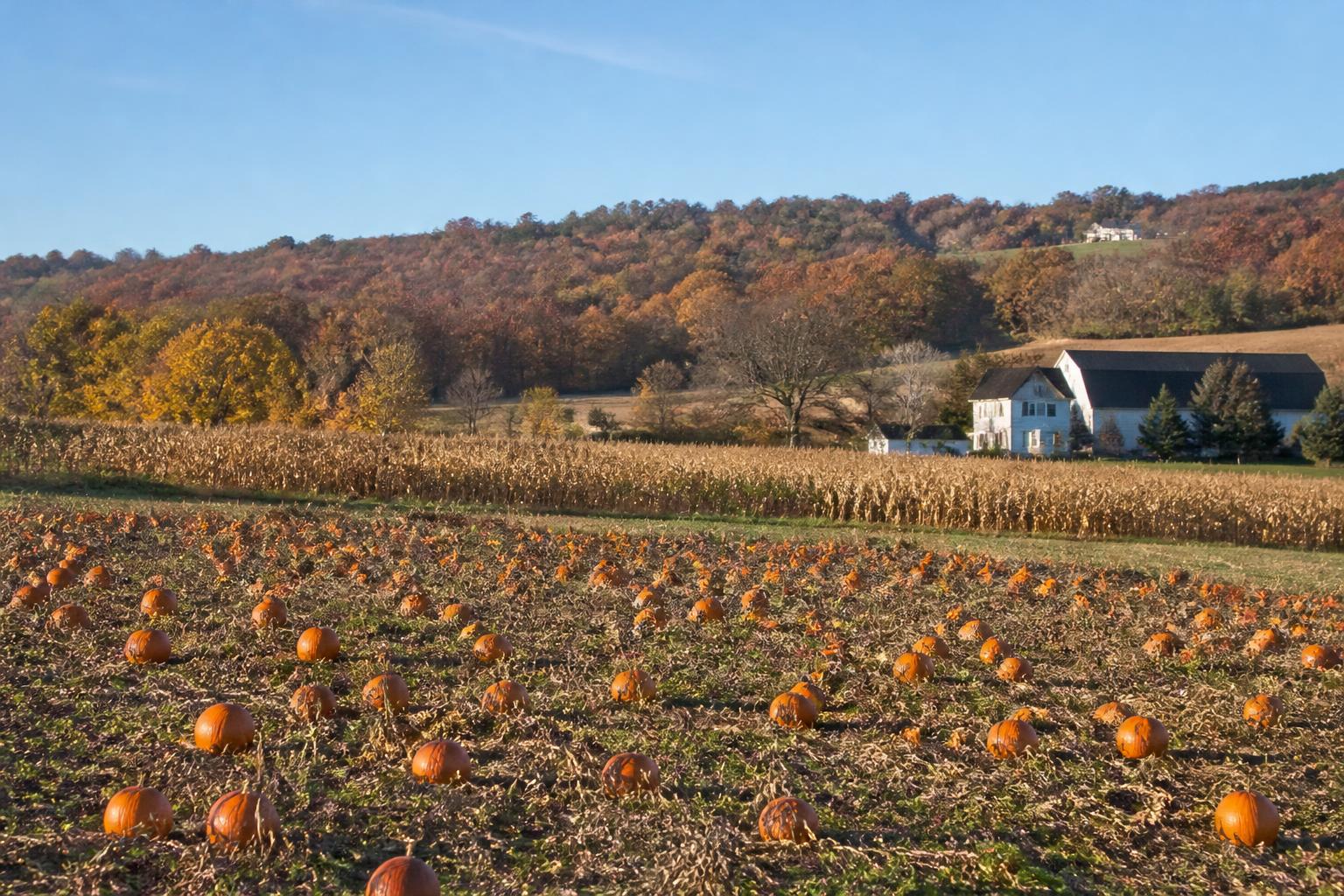
As the fall harvest season progresses in Rhode Island, local producers and grain handlers are balancing operational efficiency against the realities of the state's infrastructure. Navigating regional transit corridors requires a keen focus on load management and route planning, especially as seasonal demand intensifies across the state's agricultural hubs.
Adapting to Infrastructure Realities
For many operators, managing the flow of goods requires staying informed on the latest status of bridge closures and seasonal traffic patterns that impact primary transport routes. Whether moving inputs or preparing for end-of-year inventory shifts, the ability to pivot to secondary roads or adjust haul schedules can be the difference between maintaining thin margins and facing costly delays.
Planning for Seasonal Shifts
Agribusinesses often find that the inherent logistical hurdles during autumn necessitate proactive communication with logistics partners. With smaller rural roads often serving as vital arteries, understanding current weight restrictions and temporary traffic diversions helps in maintaining a steady pace of operations throughout the harvest cycle.
Key Takeaways for Local Operators
- Review current weight restrictions on secondary routes before dispatching heavy loads.
- Maintain clear communication channels with carriers to anticipate transit time fluctuations.
- Prioritize essential maintenance of grain handling and transport equipment while conditions remain manageable.
What it means for the market: In a compact state like Rhode Island, transportation efficiency is a core component of overall profitability. By staying vigilant regarding infrastructure updates and planning for the typical late-fall logistical squeeze, businesses can better protect their bottom line during the final months of the operating year.
Comments
No comments yet - be the first to share your take.