
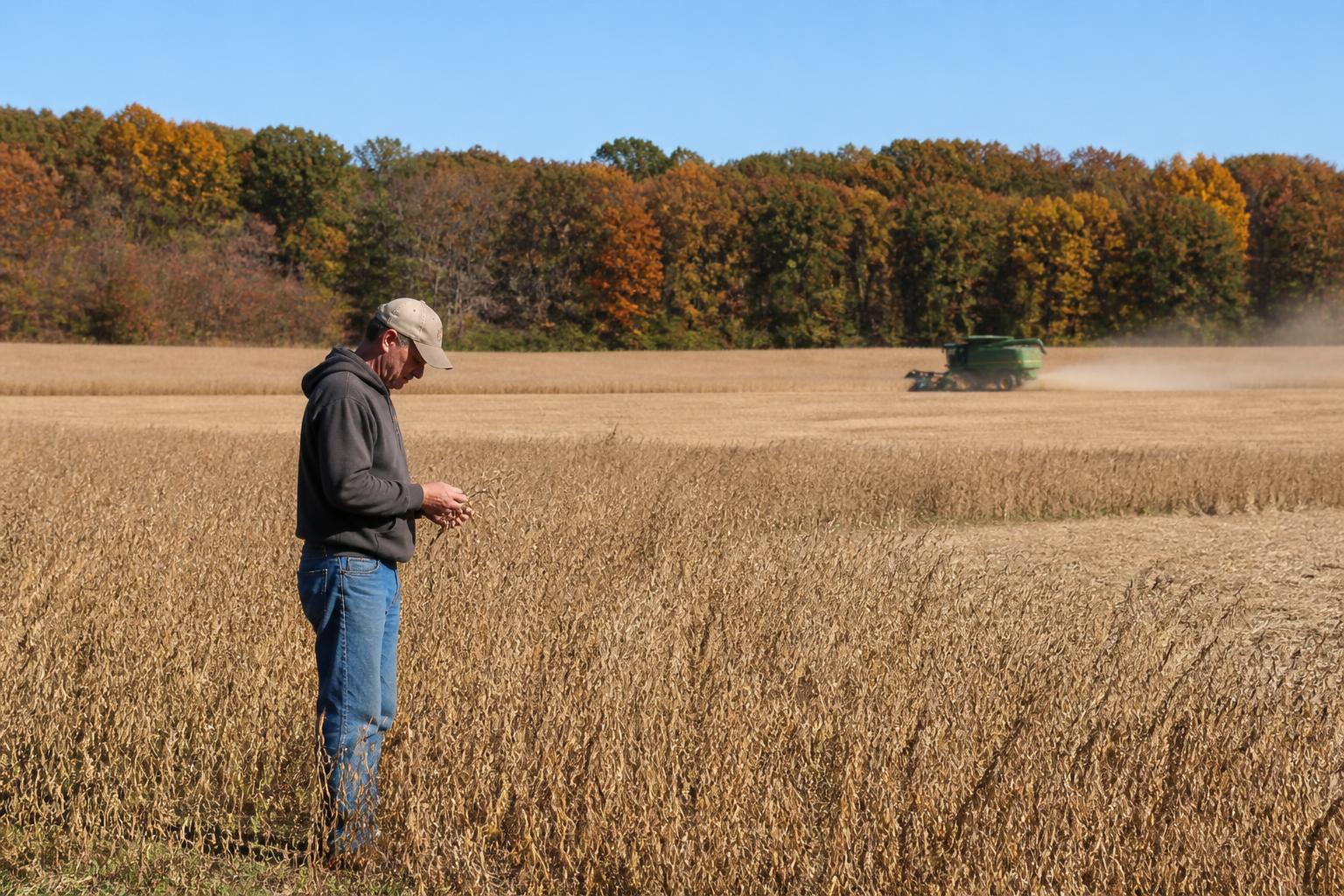
With the 2026 harvest officially nearing its final stretch, the focus across the Corn Belt and broader U.S. grain regions is shifting. While some areas faced significant weather-related delays, progress is reaching a close. For producers, the current market environment demands a pivot from yield monitoring to strategic cash flow management and input planning for the 2027 season.
As U.S. soybean stocks hover at multi-year lows, farmers are evaluating the difficult choice of selling remaining unpriced bushels versus holding for potential price recovery. Market sentiment remains mixed, with recent futures activity reflecting a recalibration of bull spreads as export demand remains a critical variable.
Managing Fertility Costs and Resistance
Input efficiency is moving to the forefront of operational planning. As nitrogen prices remain a primary concern for corn profitability, many producers are exploring precise application strategies to optimize fertility without compromising yield potential. Simultaneously, the challenge of herbicide resistance continues to grow, particularly with reports of waterhemp developing resistance to multiple postemergence chemistry groups. Managing these pressures often requires a combination of robust residual applications and new, AI-driven weed control technologies aimed at breaking the cycle of resistance.
Wheat Outlook and Regional Progress
While corn and soybean markets adjust, wheat has shown recent signs of strengthening. In regions like Southeast Kansas, the soft red winter wheat crop has benefited from a strong start, with early stand quality appearing positive as fields approach dormancy. Techniques such as no-till farming continue to gain traction as a vital tool for growers looking to maintain consistency and moisture retention in the face of varying climatic conditions.
What it means for the market
The market is gradually shifting from a supply-driven atmosphere to one increasingly dictated by demand. Whether the current price pressure has reached a floor remains the central question for agribusinesses and grain handlers alike. Moving into the winter months, focus will likely intensify on domestic crush demand and global export competitiveness, making it essential for producers to maintain a clear view of their basis levels and carry opportunities as they finalize their 2027 budgets.
Comments
No comments yet - be the first to share your take.