
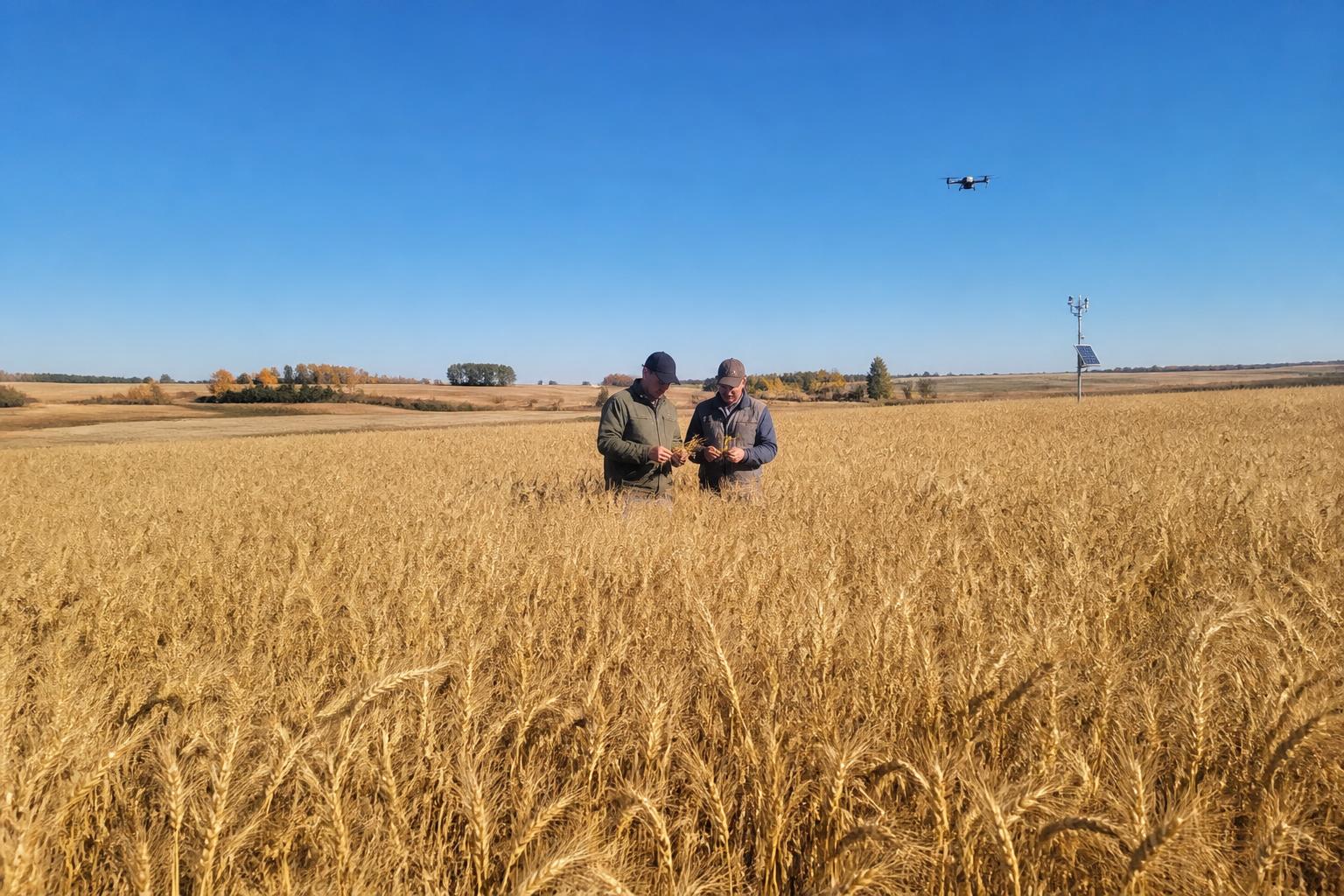
South Dakota wheat producers are currently evaluating their long-term operational strategies as estimates indicate a significant rise in production expenses over the coming year. When compared to figures from a decade ago, total growing costs may see an increase of up to 45 percent, forcing farmers across the state to tighten margins and re-evaluate their procurement strategies for essential inputs.
Adapting to High-Cost Environments
The current financial landscape is driving many operations to scrutinize every variable expense, from fertilizer applications to seed selection. In regions stretching from the eastern prairies to the western rangelands, the goal remains consistency in yield while controlling the bottom line. As these cost pressures mount, efficiency has become the primary hedge against market volatility.
Producers are also increasingly looking at how they manage their logistics and commodity output to ensure that every bushel harvested contributes effectively to covering these elevated costs. For many, this means a greater reliance on precise data and refined equipment usage during the fall season.
The Role of Innovation
In response to tighter margins, the regional agricultural sector is increasingly exploring new technologies. While specialized testing centers are pushing the boundaries of what is possible, many local farmers are finding practical applications for precision tools that minimize waste and maximize the return on every dollar spent. Integrating these systems early can be a proactive way to mitigate the impact of rising overheads before they fully take hold in the next growing cycle.
What it means for the market
For South Dakota agribusinesses and grain handlers, the trend toward higher operational costs suggests a sustained focus on budget-conscious farming. Producers will likely remain highly selective about their input purchases, prioritizing vendors who offer clear value or cost-sharing efficiencies. For carriers and logistics providers, this environment underscores the need for streamlined, cost-effective transport solutions as farmers look to optimize their cash flow throughout the winter months.
Comments
No comments yet - be the first to share your take.