
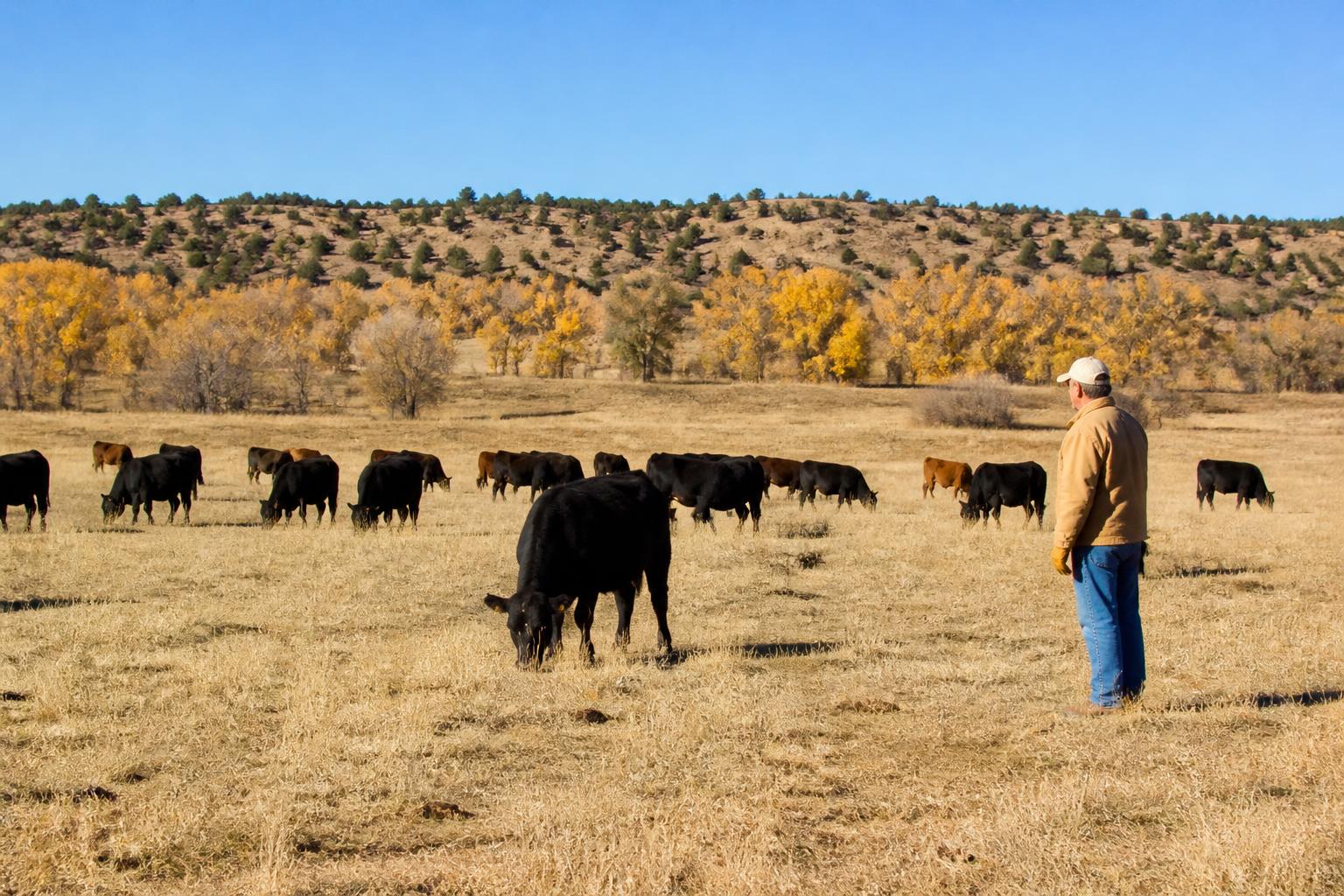
As the state moves through the final weeks of autumn, agricultural producers in Colorado continue to balance the realities of long-term environmental stress with shifting market demand. Dry conditions remain a primary concern, described by many in the industry as a slow-moving challenge that complicates planning and resource management across the plains.
For those involved in the grains market, the current environment necessitates a focused approach to inventory and forward planning. While production metrics fluctuate, the interplay between regional moisture levels and crop outcomes remains at the forefront of local operations.
Livestock and Market Pressures
The livestock sector continues to be a central pillar of the state's economy, with recent data from the La Junta area providing insights into current stock cow and pair activity. Market participants are keeping a close watch on livestock pricing trends as ranchers adjust their herds in response to both environmental pressures and broader economic signals. Boxed beef sales continue to reflect broader national trade patterns, which filter down to impact local profitability.
Economic Context for Producers
Discussions regarding the disparity between retail food prices and the portion received by farmers have become more frequent. Economists note that while retail costs are influenced by a complex supply chain, the primary producers in counties like Kiowa are often left to manage thin margins while absorbing the risks associated with climate variability. Understanding these market stability factors is essential for operations looking to hedge against future volatility.
What it means for the market
For grain handlers, ranchers, and agribusinesses, the takeaway is clear: efficiency and cautious financial management are paramount. As regional moisture remains limited, securing reliable supply chains and closely monitoring regional price benchmarks will be critical for navigating the winter months ahead. Producers should continue to leverage available market data to mitigate the impact of persistent environmental constraints on their bottom line.
Comments
No comments yet - be the first to share your take.