
Market Fragmentation and Pricing Realities
The U.S. fertilizer sector is currently navigating a complex landscape defined by split markets. While global supply chain headlines often focus on major shipping lanes, the localized reality for farmers involves persistent price variability and a supply chain that remains sensitive to broader energy fluctuations. Producers across the country are finding that standard market benchmarks may not always reflect the procurement challenges or opportunities available at their local elevator or retail outlet.
Because procurement remains a primary concern for the upcoming season, many agribusinesses are focusing on early booking and diversifying their supplier base. Understanding how these market constraints impact your fall fertilizer planning is essential for maintaining margins before the winter downtime begins.
The Shift Toward On-Farm Nutrient Management
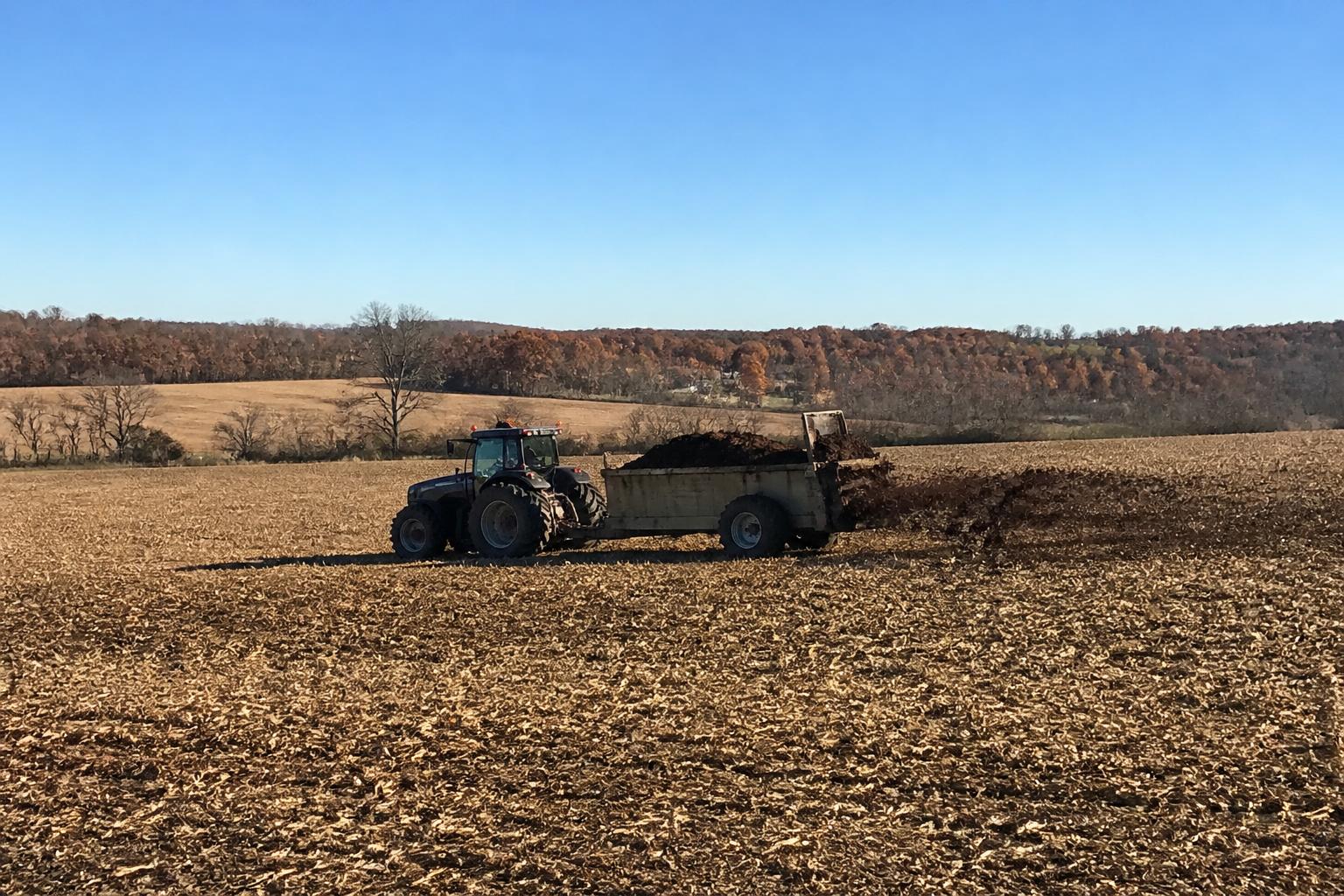
In response to fluctuating input costs, a growing number of producers are re-evaluating the role of livestock manure as a key component of their fertility program. Integrating animal waste into crop production systems can offer a practical hedge against synthetic fertilizer price spikes while simultaneously improving soil health and long-term nitrogen availability.
Benefits of Integrated Fertility Plans
- Cost Mitigation: Reducing reliance on commercially purchased nitrogen through effective manure management can significantly alter the balance sheet.
- Soil Synergy: Organic inputs often provide micronutrients and carbon that synthetic options lack, supporting better soil structure over multiple seasons.
- Diversification: Livestock operations integrated with grain production can create a more circular on-farm economy, better buffering the operation against external market shocks.
What it means for the market
The current market environment encourages a transition from reactive purchasing to proactive, site-specific nutrient management. As the fertilizer sector remains split, the ability to supplement conventional inputs with on-farm resources like manure is shifting from a niche strategy to a core business necessity for many operations. Farmers who successfully integrate these sources typically find themselves better positioned to weather periods of supply volatility and elevated market prices.
Comments
No comments yet - be the first to share your take.