
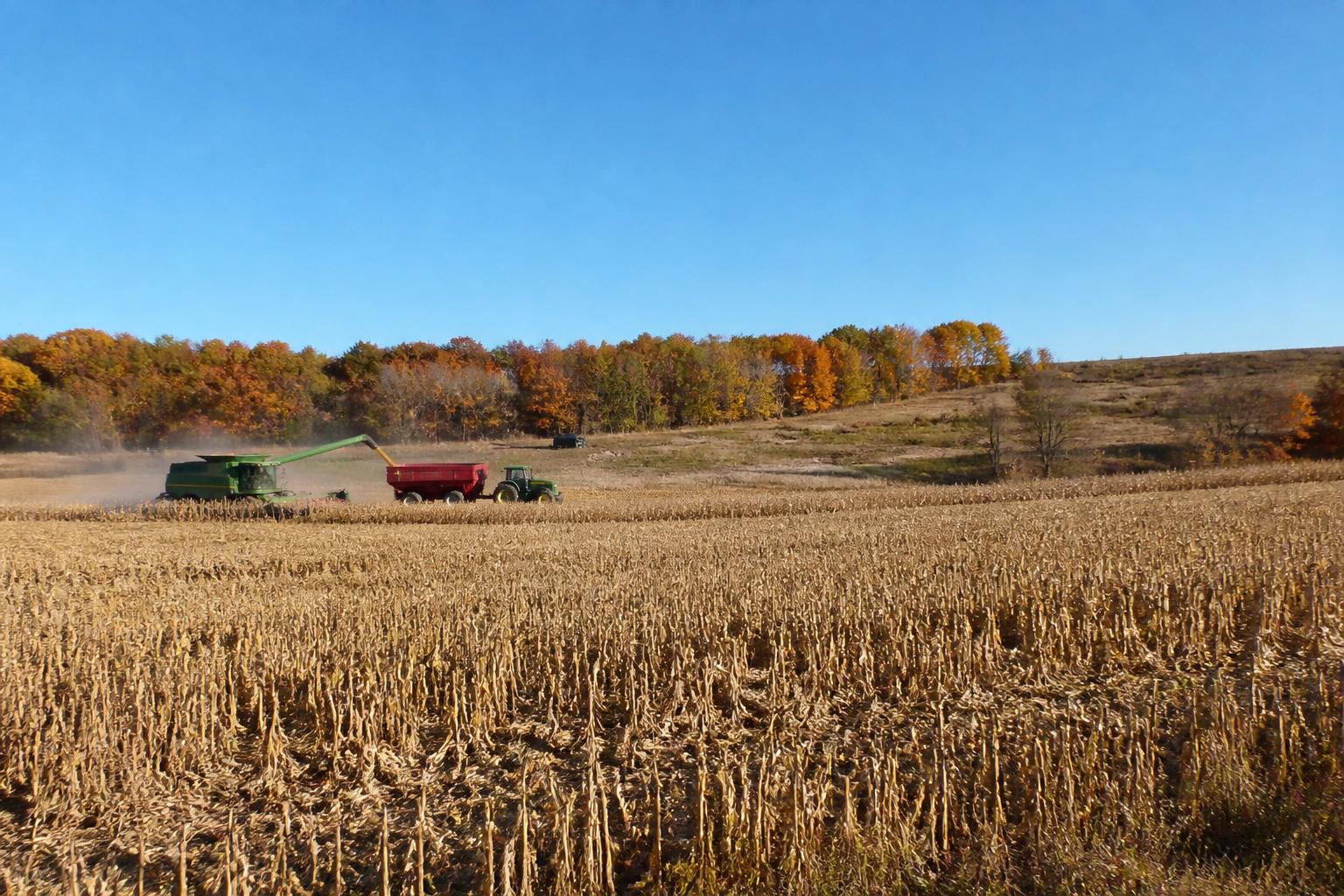
For Massachusetts farmers and ag-businesses, the late fall season serves as a critical window for evaluating input strategies and long-term supply chain reliability. While global markets continue to evolve with new regional production facilities and advancements in agricultural technology, local operators are encouraged to monitor how these broad trends may eventually influence regional availability and pricing stability.
Global Shifts in Fertilizer Markets
Recent developments in global fertilizer production, particularly in major agricultural hubs like Brazil and their collaboration with international suppliers, suggest a ongoing effort to diversify sourcing. For Massachusetts agribusinesses, keeping a pulse on these international supply chains remains a practical component of risk management. Understanding the broader focus on fertilizer quality ensures that operators are better prepared for potential volatility in the domestic market.
The Role of Precision Breeding and Technology
The agricultural landscape is increasingly shaped by biotechnology and precision breeding, with industry projections pointing toward sustained demand for specialized equipment through the next decade. As these technologies become more integrated into production systems, early adopters in New England may find themselves better positioned to optimize yields. Alongside this technological progression, growers often assess regional grain outlooks to align their planting and input purchases with realistic storage and logistics capacity.
Key Takeaways for Producers
- Monitor global fertilizer supply partnerships as they often serve as leading indicators for regional cost fluctuations.
- Evaluate existing equipment life cycles in the context of the growing market for precision breeding tools.
- Review end-of-year storage and logistics plans to ensure that inputs can be handled efficiently during the busy spring planting window.
What it means for the market
In Massachusetts, the connection between global industrial planning and local field operations is becoming more pronounced. By prioritizing long-term equipment maintenance and staying informed on supply chain health, local producers can mitigate the impact of external market shifts. A proactive approach to sourcing now helps ensure that essential nutrients and technologies remain available and affordable as the next season approaches.
Comments
No comments yet - be the first to share your take.