
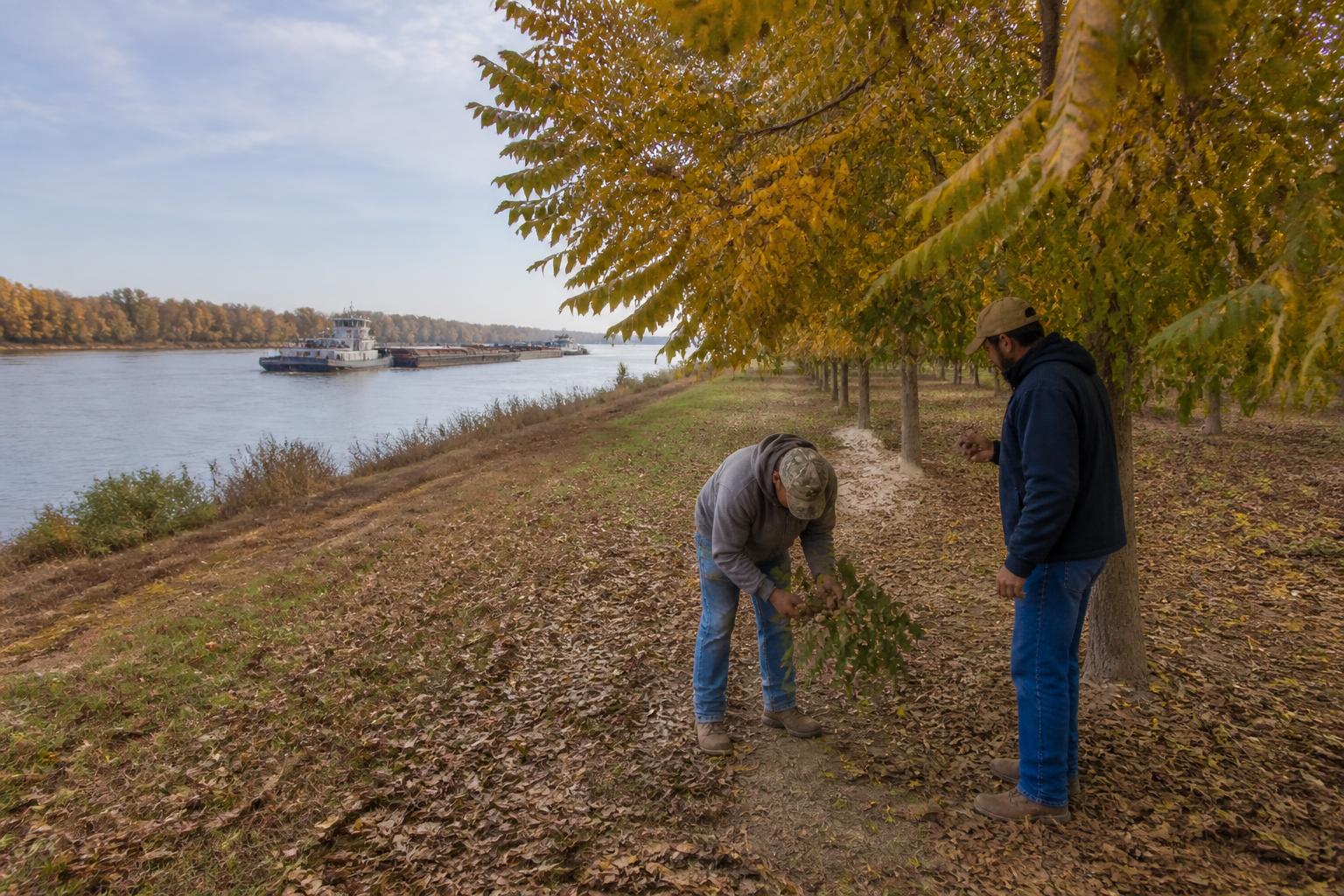
Mississippi producers and grain handlers are facing a complex logistics landscape this fall. As the harvest cycle winds down, the focus shifts toward moving bulk commodities to export terminals. For those operating along the Mississippi River, efficiency is frequently challenged by the condition of aging barge fleets, which can introduce uncertainty into the transport timeline.
Reliable logistics are vital for maintaining competitive margins. Producers and shippers who depend on river transport often weigh these transit concerns against the reality of rising operational costs across the board. Staying informed on the latest grain buyers, sellers and prices in Mississippi remains a priority for farmers looking to mitigate the impact of freight-related market volatility.
Infrastructure and Market Pressure
The condition of the inland waterway system often serves as a barometer for the broader agricultural economy. When barge availability is restricted or maintenance demands increase, local grain movement can experience unexpected bottlenecks. This makes proactive planning and clear communication with elevator operators and carriers essential for regional agribusinesses.
Furthermore, navigating Mississippi River logistics requires a nuanced understanding of how global export demand interacts with local waterway conditions. While growers in the Delta focus on post-harvest storage and delivery, the underlying cost of moving grain remains a key factor that ripples back to the farm gate.
What it means for the market
For Mississippi farmers, the current climate reinforces the need for flexible marketing strategies. With transportation costs acting as a persistent variable, diversifying delivery points and keeping a close watch on regional basis levels can provide a buffer against logistics-driven price fluctuations. As we move further into the season, monitoring carrier capacity and terminal throughput will be critical for those looking to capitalize on upcoming export opportunities.
Comments
No comments yet - be the first to share your take.