
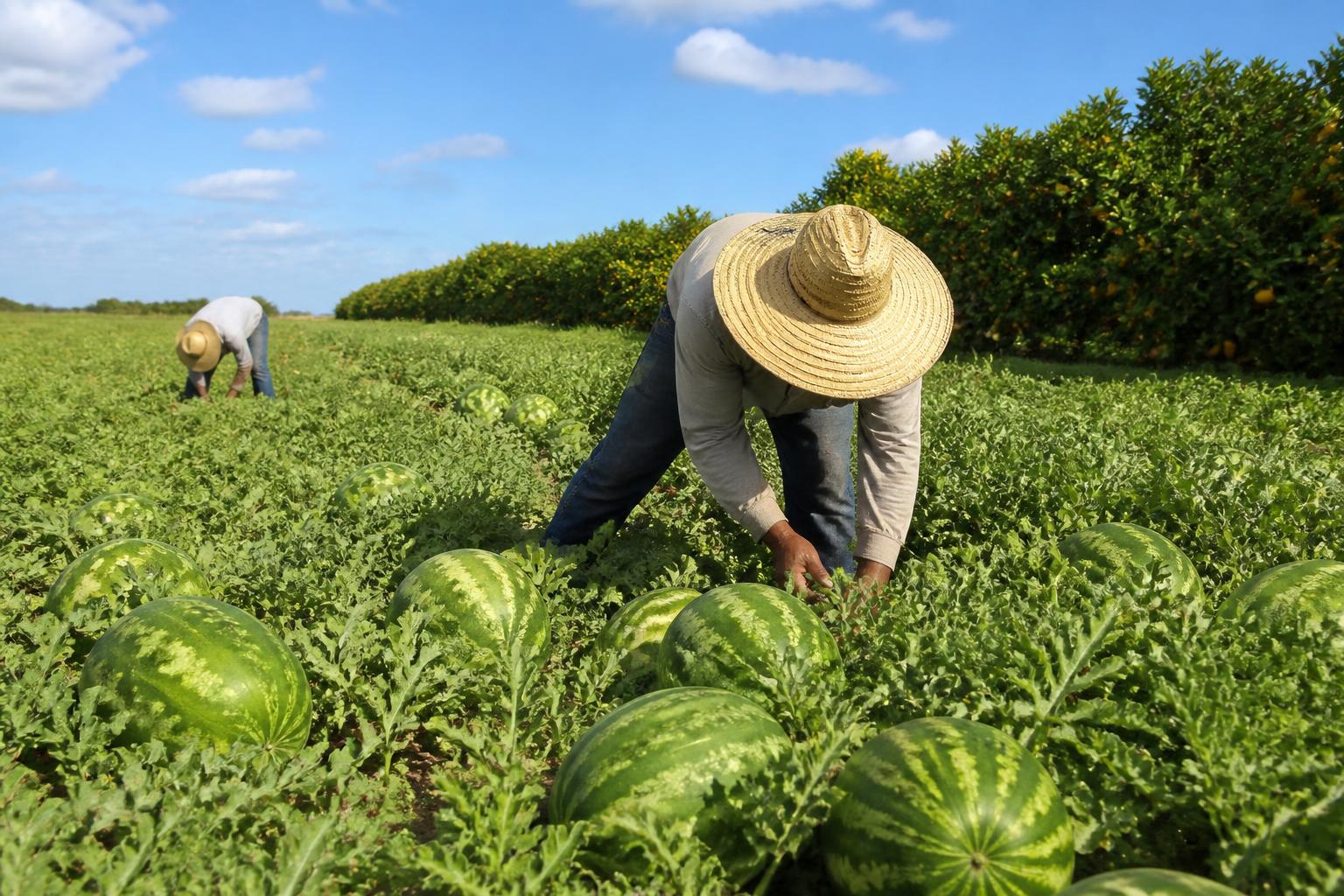
Florida growers are navigating a highly challenging summer production window. Already grappling with the financial aftermath of an estimated $3.1 billion in weather-related crop losses, producers are now facing a sharp 35% to 50% spike in nitrogen fertilizer prices. Global supply anxieties, driven by shipping bottlenecks and access concerns in the Strait of Hormuz, have disrupted global logistics and pushed domestic input costs significantly higher.
For Florida's intensive agricultural sectors, where sandy soils require careful, split-application nutrient management, these rising costs threaten to erode thin margins. Growers are being forced to re-examine their nutrient application practices just as they prepare for late-summer planting and fall crop transitions.
Global Supply Bottlenecks Hit Local Fields
The sudden rise in global nitrogen prices highlights the vulnerability of regional agricultural systems to international trade choke points. Florida is highly dependent on timely maritime and overland logistics to secure urea, liquid nitrogen, and other essential fertilizer components. Amid these cost spikes, local logistics and transport channels are under scrutiny, similar to the supply chain shifts seen in the Florida grain and feed markets, where input delivery and storage capacity remain critical.
Because nitrogen is highly volatile and prone to leaching in Florida's humid climate, farmers cannot simply reduce applications without risking dramatic yield drops. The timing of this price surge is particularly difficult for growers who are trying to recover from consecutive seasons of extreme weather and market volatility.
Precision Management on Plastic Mulch Beds
Specialty crop producers, such as watermelon and vegetable growers who rely on plastic mulch beds, are looking for ways to maximize the efficiency of every pound of nitrogen applied. Cultivating crops on plastic mulch helps retain moisture and concentrate nutrients directly in the root zone. However, with input prices soaring, there is renewed focus on adopting new ways to protect produce crops grown on plastic mulch beds to prevent runoff and improve fertilizer uptake.
Similarly, citrus growers are under pressure to optimize grove nutrition. Initiatives aimed at revitalizing Florida's grapefruit industry, including collaborative efforts by IMG Citrus and the Mixon family, depend on long-term tree health and precise fertilization. High input prices make these recovery efforts more expensive, forcing managers to rely heavily on soil testing and targeted leaf tissue analysis to avoid over-applying high-cost inputs.
Broad Financial Stress and Risk Mitigation
The fertilizer price surge arrives at a time when the state's agricultural community is actively seeking broader risk-management tools. Nationwide, extreme weather has severely impacted crop yields. In Florida, where freeze events can also devastate winter specialty crops, Senator Moody has introduced a freeze insurance bill aimed at providing much-needed financial protection. While this bill has garnered widespread industry support, it highlights the ongoing need for structural safety nets as farmers balance rising operational costs with unpredictable environmental risks.
- Nitrogen Spike: Prices have risen 35% to 50% due to global transit concerns in the Strait of Hormuz.
- Crop Losses: The input spike compounds the strain of $3.1 billion in recent weather-related crop losses across Florida.
- Efficiency Focus: Producers are utilizing precise fertigation on plastic mulch beds to minimize nutrient waste.
What it means for the market
For fertilizer distributors, retailers, and agricultural carriers, the price spike will likely lead to cautious, hand-to-mouth purchasing patterns from growers rather than bulk forward contracting. Expect increased demand for liquid formulations and custom blends that offer higher efficiency. Florida agribusinesses must prioritize strict soil testing, micro-irrigation maintenance, and precise placement to stretch their fertilizer dollars through the upcoming fall planting season.
Comments
No comments yet - be the first to share your take.