
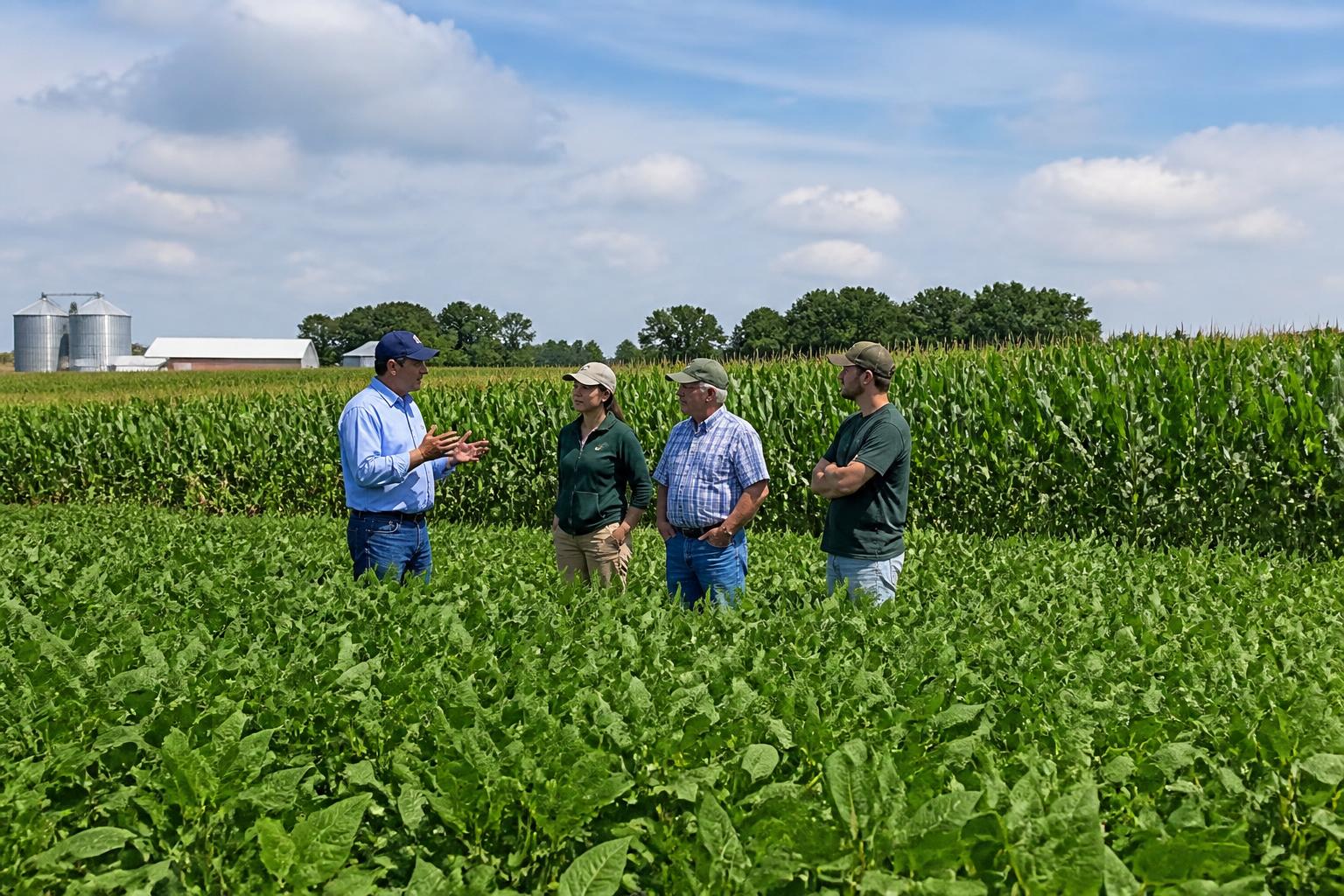
Maryland agriculture stands at a critical intersection this summer, where the struggle for viable farmland meets an increasingly complex regulatory landscape. For producers, especially in the northern counties, securing access to land remains a primary hurdle. As land demand intensifies, established growers and younger generations alike are forced to weigh the economics of land retention against rising operational costs and regional development pressures.
The current environment highlights the ongoing challenge of balancing production with environmental commitments. Many farmers are looking for innovative strategies to keep their operations efficient while meeting modern stewardship requirements. As discussed in our Maryland summer grain outlook, logistics and land use are deeply intertwined, impacting how local growers move their harvest to market and maintain regional competitiveness.
Stewardship and Economic Sustainability
Beyond land access, the industry continues to adapt to evolving fertilizer regulations and environmental mandates designed to protect sensitive watersheds, including the Chesapeake Bay. Navigating these requirements demands a high level of agility. Producers who integrate precise nutrient management plans often find better long-term outcomes, both for soil health and compliance, as detailed in our latest guidance on Maryland nutrient management strategies. These efforts are not merely administrative; they are essential for maintaining the operational license of farms operating near sensitive ecological zones.
Ultimately, the ability to adopt new solutions—ranging from precision agriculture to alternative cropping patterns—will define the success of many operations as they head toward the next harvest cycle. Success depends on the industry's ability to blend traditional farming expertise with modern, data-driven approaches to land and resource management.
What it means for the market
For grain handlers and agribusinesses, the current climate suggests that supply chain consistency will be tied closely to how well producers can sustain their acreage. Expect continued demand for technical support and advisory services that help farmers bridge the gap between regulatory compliance and profitable yields. Market participants should monitor local land-use policies closely, as shifts in property availability could influence local production volume and regional grain infrastructure utilization in the months ahead.
Comments
No comments yet - be the first to share your take.