
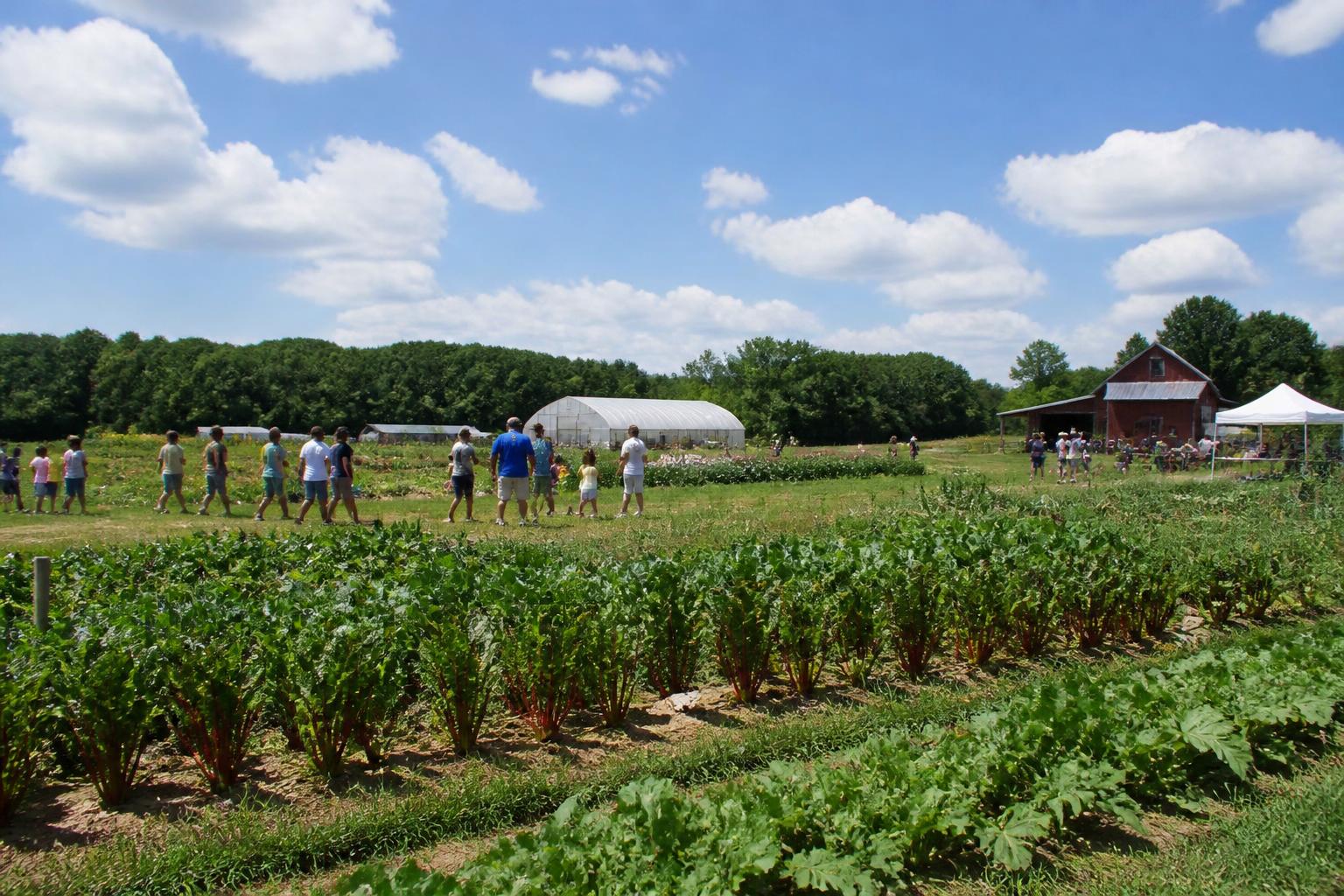
Maryland farmers face unique challenges when balancing crop productivity with strict environmental stewardship. In the heat of the summer season, managing nitrogen and phosphorus applications requires precise timing and a deep understanding of local soil needs, especially across ecologically sensitive regions like the Chesapeake Bay watershed.
As corn and other summer crops enter their peak growth phases, agribusinesses and growers must carefully calibrate their nutrient plans. Proper application not only protects local water quality but also ensures that every dollar spent on inputs directly supports crop yields.
Precise Summer Fertilizer Strategies in Maryland
With summer in full swing, post-emergence fertilizer applications must be handled with care. In major agricultural counties across the Eastern Shore, including Queen Anne's, Caroline, Dorchester, and Wicomico, grain growers rely heavily on side-dressing and top-dressing to feed rapidly growing crops. These timely applications supply nitrogen precisely when the plants demand it most, minimizing the risk of leaching during heavy summer thunderstorms.
Applying fertilizer efficiently is also a core part of keeping production costs manageable. To align these nutrient applications with broader farm operations, growers can review the current Maryland summer grain outlook to better coordinate their storage, logistics, and field schedules.
Soil Health and the Cover Crop Connection
Nutrient management in Maryland is a year-round commitment that extends far beyond the active summer growing season. One of the state's most successful strategies for locking in residual fertilizer and preventing nutrient runoff is the use of cover crops. While planting occurs later in the year, planning and enrolling in state-sponsored programs happens much earlier.
For instance, Maryland offers a dedicated Small Acreage Cover Crop Program, which traditionally opens its sign-up period in early spring, such as March 3. This program helps smaller agricultural operations access financial assistance to plant cover crops that protect soil structure and retain valuable nitrogen in the root zone. Integrating these practices into your overall rotation is a proven way to improve soil health, as highlighted in discussions regarding cover crop incentives in Maryland.
Navigating Nutrient Rules in Protected Areas
In regions like Montgomery County's protected Agricultural Reserve, as well as parts of Harford and Southern Maryland, balancing intensive farming with resource conservation is a daily reality. Farmers operating in these zones must adhere strictly to Maryland's nutrient management regulations, which dictate when, where, and how much fertilizer can be applied.
To stay compliant, growers should regularly test soil profiles, calibrate application equipment, and keep detailed records of all fertilizer inputs. Utilizing precision agriculture technologies, such as variable-rate application, can help target nutrients only where they are needed, reducing waste and protecting local waterways.
Key Takeaways for Maryland Growers
- Time it right: Apply side-dressed nitrogen during peak crop uptake to maximize efficiency and reduce runoff risk.
- Plan for cover crops: Keep track of state sign-up periods to secure funding for off-season soil cover.
- Maintain compliance: Ensure all summer fertilizer applications align with your certified nutrient management plan.
What it means for the market
Efficient nutrient management is no longer just about compliance; it is a vital component of farm profitability. By optimizing summer fertilizer applications and leveraging state cover crop programs, Maryland agribusinesses can protect their bottom lines against volatile input prices while proving that productive agriculture and environmental conservation can successfully co-exist.
Comments
No comments yet - be the first to share your take.