
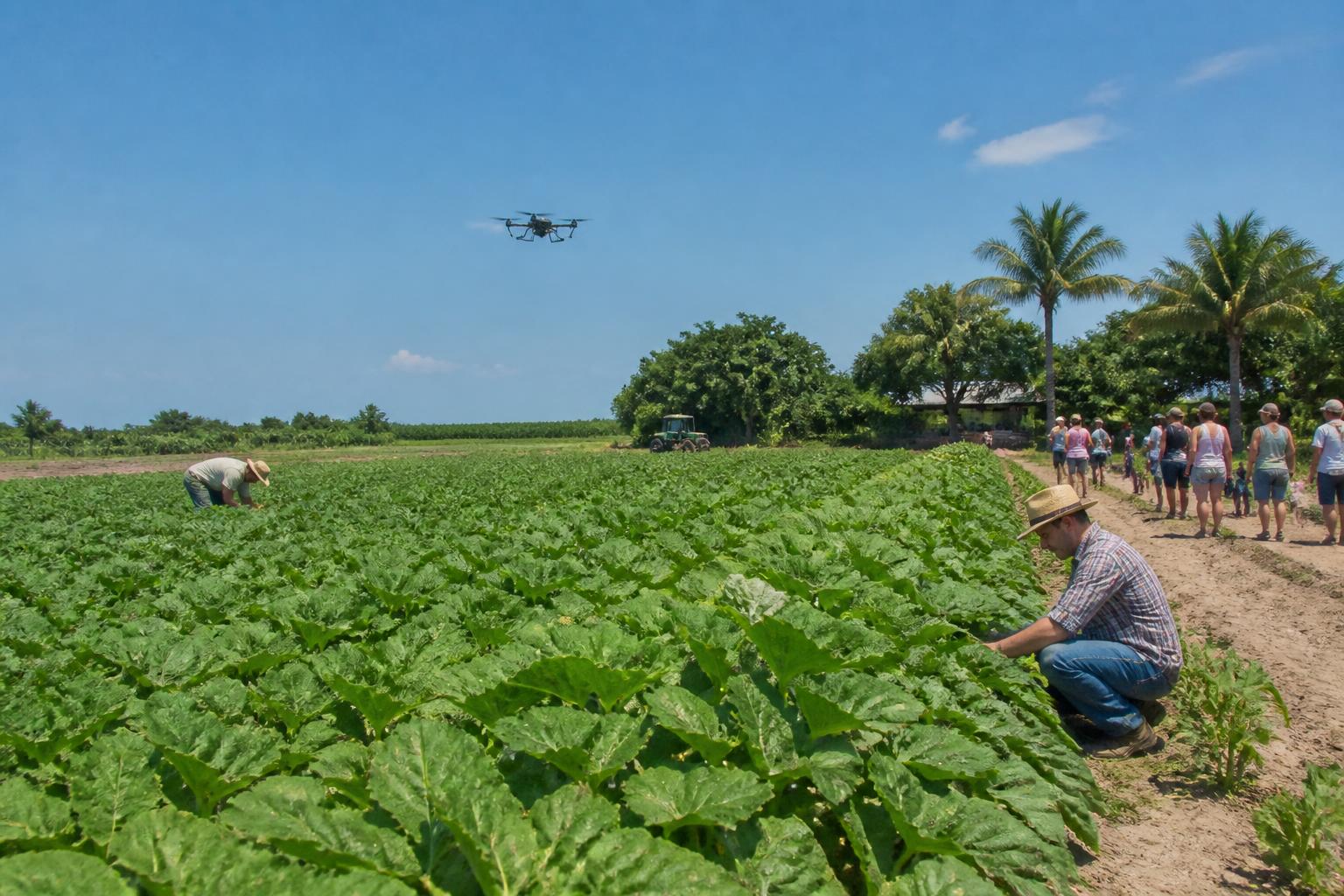
Florida agriculture operates in a unique environment where the interplay between infrastructure resilience and unpredictable weather patterns defines the season. As mid-summer heat settles over the state, producers from the panhandle down through the peninsula are recalibrating their logistics strategies to mitigate rising fuel costs and transportation bottlenecks. Ensuring that specialty crops reach terminal markets efficiently remains the primary challenge for regional agribusinesses.
Managing Logistics and Market Volatility
For those involved in the Florida grain and specialty crop supply chain, the margin for error remains thin. Recent shifts in local transport dynamics, particularly concerning the movement of perishables, have forced operators to seek more robust supply chain solutions. Whether navigating the busy corridors near Jacksonville or managing high-volume distribution in Central Florida, producers are finding that investment in advanced logistics—including better integration with air and ground transport networks—is essential to maintaining competitive pricing.
The Weight of Environmental Risk
It is no secret that Florida farmers contend with significant climate-related threats, which often dictate the pace of the agricultural year. Beyond routine seasonal maintenance, operations are increasingly designed to withstand the volatile aftermath of extreme weather events, which have historically caused substantial production losses. This sensitivity to the environment reinforces the need for diligent risk management and the adoption of new technologies, such as precision farming tools and data-driven crop health monitoring, to protect yields during the height of the growing season.
Policy and Innovation
On the policy front, legislative developments continue to shape how landowners and producers manage their assets. The signing of new farm legislation at the state level has provided a framework that many in the industry hope will offer clearer guidelines for land use and resource protection. Concurrently, technical innovation remains a bright spot, with research initiatives in nanotechnology and drone-assisted management offering hope for more sustainable and precise agricultural practices in the coming years.
What it means for the market
For farmers and handlers, the path forward requires a balance of cautious risk management and active investment. As fuel prices continue to influence bottom lines, optimizing transport routes and utilizing technology to streamline harvest and distribution will be the difference between moderate success and narrow margins. Staying aligned with state-level policy updates and leveraging regional infrastructure will be critical for weathering the remaining summer months.
Comments
No comments yet - be the first to share your take.