
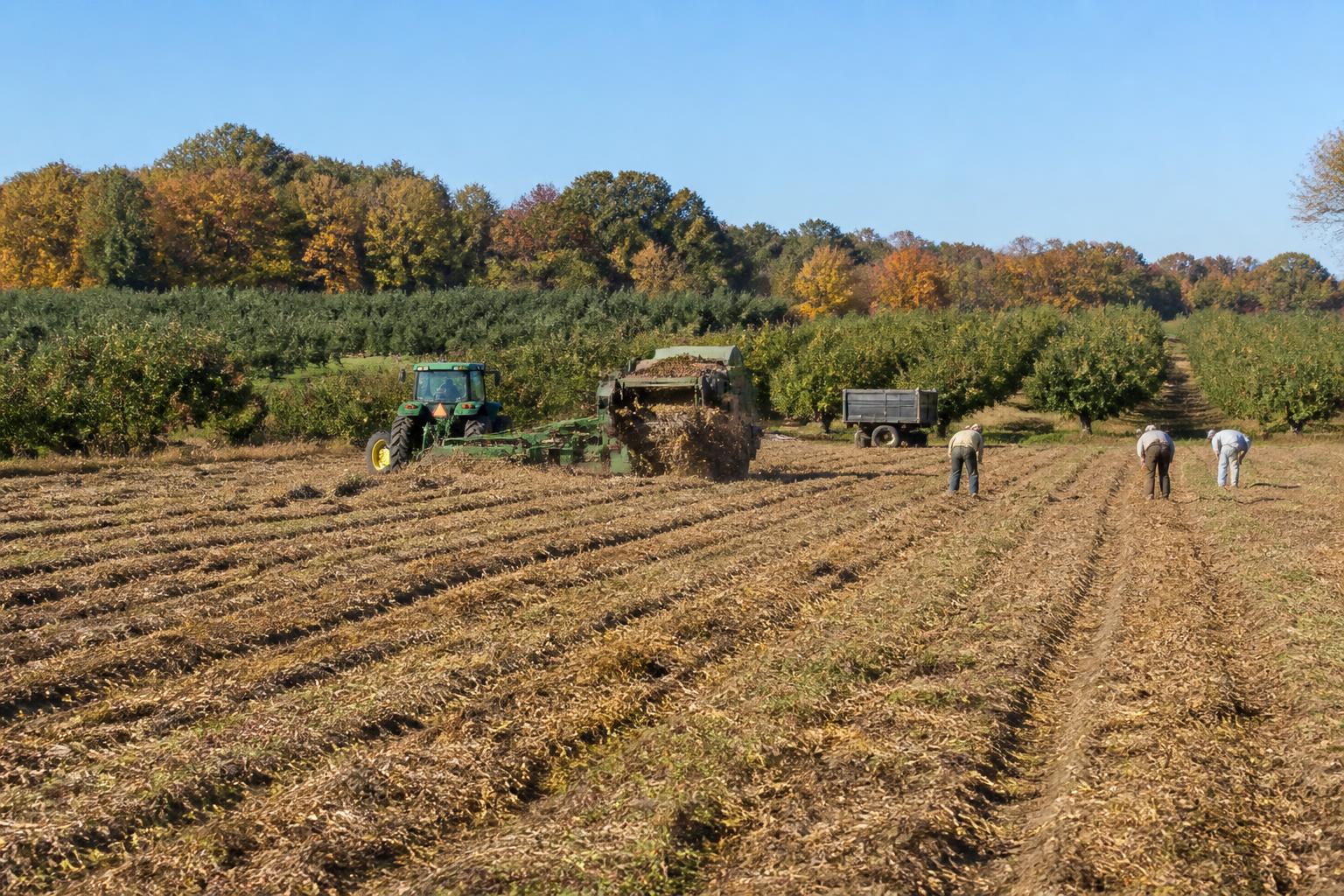
As the fall harvest season shifts into high gear across Georgia, producers are once again focusing on the fundamental pillars of peanut profitability. With current conditions favoring steady field activity, many growers are emphasizing the critical role of crop rotation as a primary strategy to manage input efficiency and mitigate disease pressures in the soil.
Rotation remains a cornerstone of successful agricultural management in the state, often serving as the second most vital key to maintaining consistent margins. Beyond immediate yield goals, research and field observations suggest that integrating well-planned rotation cycles can provide significant long-term benefits for soil productivity and input management, which remain top concerns for Georgia agribusinesses during the peak of the autumn logistics cycle.
Refining Production and Research Ties
The state continues to solidify its role in advancing agricultural science through strengthened connections between research hubs and working farms. New advisory boards and research initiatives are increasingly focused on bridging the gap between innovative cultivars—such as high-oleic peanut varieties—and their practical adoption on commercial operations. These improvements are designed to help farmers respond to shifting market demands while maintaining the efficiency that defines the region's output.
Logistics and Market Resilience
As Georgia agricultural markets continue to navigate the complexities of harvest-time logistics, maintaining a clear line of sight on operational costs and supply chain stability is essential. Whether dealing with the transport of specialized crops or the movement of equipment across the state’s major corridors, producers are encouraged to monitor regional shipping trends to avoid potential bottlenecks that can arise during periods of peak harvest activity.
What it means for the market
For Georgia growers and handlers, the current season reinforces the value of data-driven decision-making. By prioritizing proven rotation strategies and staying informed on advancements in seed technology, producers can better position themselves to absorb market volatility. As the harvest matures, continued focus on logistical precision and adherence to established production efficiencies will be vital for maintaining a competitive edge in both domestic and regional supply chains.
Comments
No comments yet - be the first to share your take.