
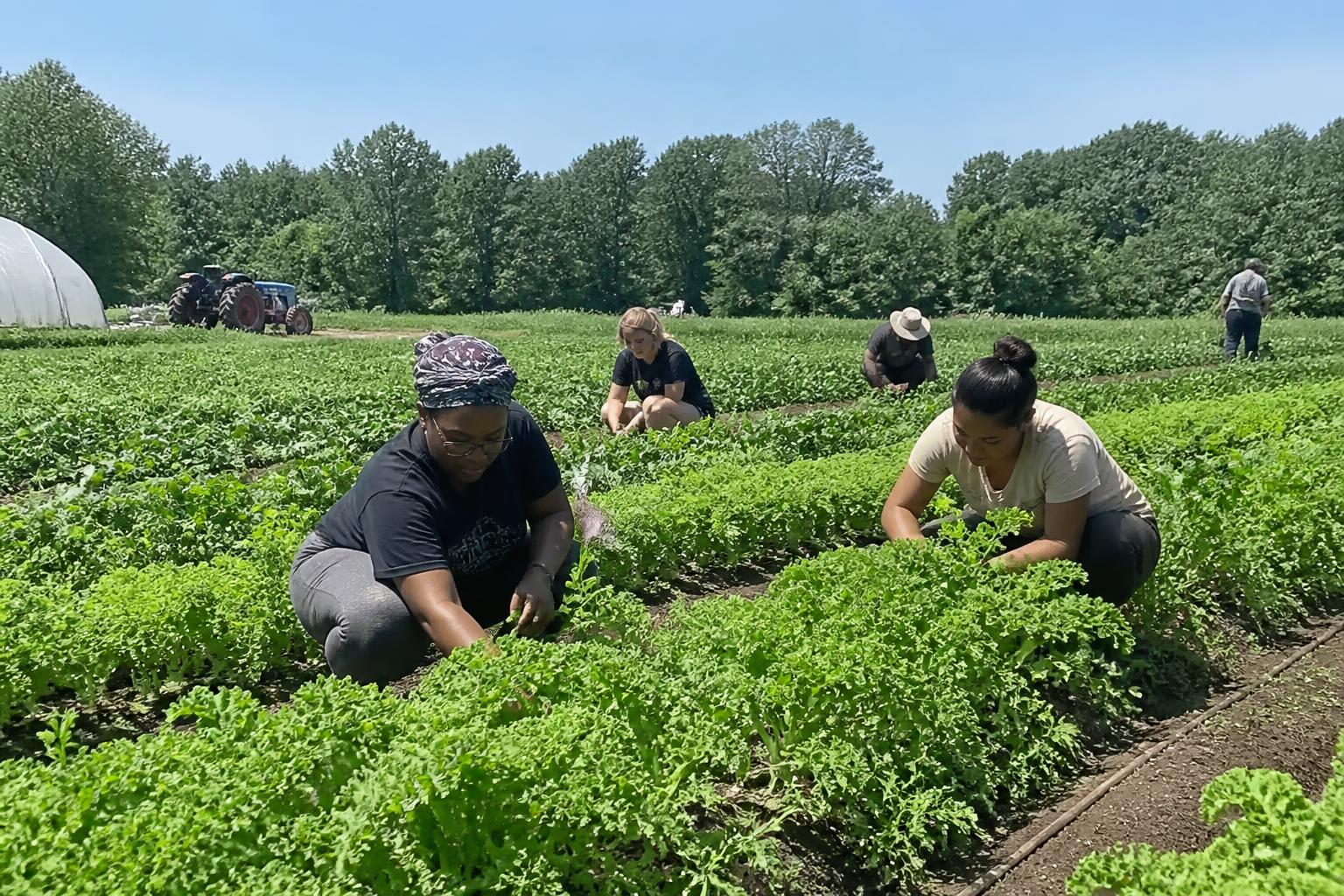
As the summer growing season progresses across New York, agricultural producers are closely monitoring the stability of their input supplies. With the current market climate influenced by both international trade disruptions and regional economic adjustments, farmers are increasingly focused on optimizing nutrient management to protect yields.
Global events, particularly those impacting major maritime trade corridors, continue to be a primary concern for the fertilizer industry. These tensions may create unpredictable price swings for nitrogen-based products, affecting the bottom line for many operations in the state. For deeper insight into how these variables are shifting, producers can review our recent analysis on New York fertilizer outlook and input strategies to help refine their procurement plans.
Managing Supply Volatility
For many New York growers, the primary challenge remains the reconciliation of fluctuating retail costs with anticipated harvest returns. In some regions, the impact of earlier weather-related setbacks has placed additional strain on capital, making efficient input allocation more critical than ever. As farmers evaluate their remaining summer needs, balancing the necessity of nutrient applications against cost-effective alternatives remains a priority. Additional perspectives on navigating input costs and securing financial relief can offer further context for those looking to manage their seasonal budget effectively.
Monitoring Regional Disruptions
Beyond global supply chains, local logistical and regulatory environments also play a significant role in farm health. From navigating administrative hurdles to addressing workforce-related challenges, staying informed on current state developments is essential. Maintaining a resilient operation often involves not only technical agronomy but also an awareness of the broader policy landscape that affects farm sustainability. Understanding how to integrate input management amidst these pressures provides a more comprehensive approach to managing a modern agricultural enterprise in New York.
What it means for the market
For the remainder of the season, New York agribusinesses and producers should remain cautious regarding further price spikes in the nutrient market. With the potential for ongoing trade delays, securing necessary supplies early and maintaining strong communication with local retailers will likely remain the most reliable strategy for mitigating risk. Producers who prioritize flexible nutrient strategies are best positioned to withstand continued volatility in the global fertilizer trade.
Comments
No comments yet - be the first to share your take.