
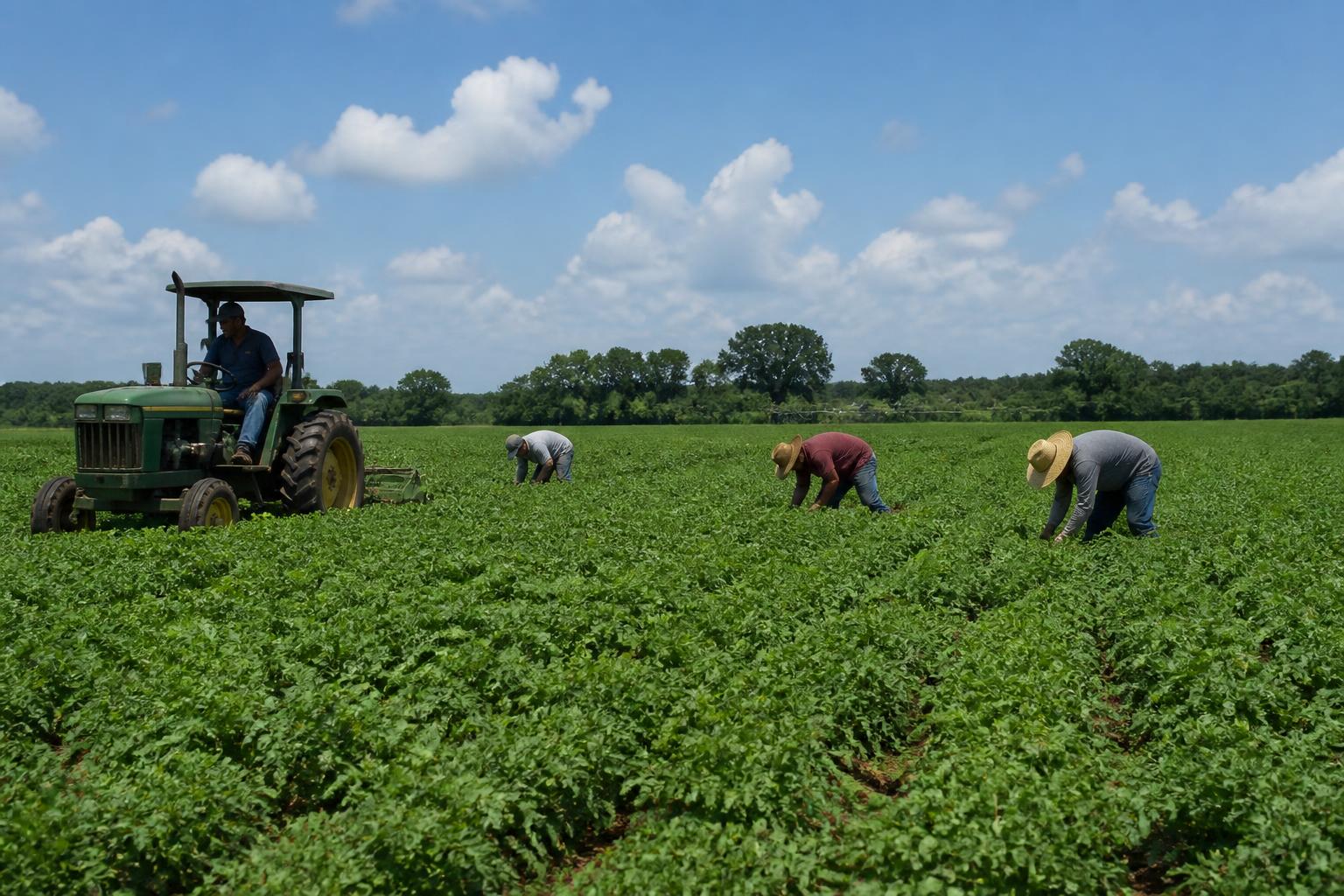
As the summer heat intensifies across Georgia, producers are closely monitoring a volatile input landscape. The intersection of global economic pressures and fluctuating energy costs has kept fertilizer prices at the forefront of management decisions, impacting everything from routine nutrient applications to long-term crop planning.
For growers across the state, from the peanut-rich fields of the Coastal Plain to diversified operations in the northern reaches, managing these overheads is more critical than ever. High input expenditures are forcing many to reconsider application timing and efficiency, as they balance the need for optimal yield with the stark reality of current market prices.
The Impact of Rising Input Expenses
Producers frequently cite fuel and synthetic inputs as significant drivers of recent financial strain. In regions like Thomasville, global supply chain tensions have historically trickled down to the farm gate, influencing the price of essential commodities. This cost-prohibitive environment complicates the ability of local handlers and agribusinesses to maintain steady, affordable supply streams for their customers.
The current market reality is not just about price per ton; it is about how these expenses ripple through the broader agricultural economy. When farmers face reduced capital for inputs, the downstream effects can influence decision-making for subsequent planting cycles, creating a ripple effect that touches everything from local grain market dynamics to broader infrastructure utilization.
Navigating Logistics and Supply Reliability
Logistical efficiency remains a key component in mitigating these external pressures. Producers and cooperatives often look for ways to streamline the delivery of inputs, focusing on timing purchases to bypass peak transit demand. Understanding the nuances of domestic agricultural logistics is essential for those looking to protect their bottom line during periods of supply uncertainty.
Strategic planning—often involving early procurement or bulk storage where available—remains a favored, if not always possible, tactic for operations looking to weather periods of extreme price volatility. Furthermore, the push for energy-efficient agricultural practices is growing, with some producers exploring new technologies designed to maximize nutrient uptake and reduce waste, which can provide a buffer against rising market costs.
What it means for the market
The current climate suggests a continued period of high-alert management for Georgia agribusinesses. As farmers prioritize cash flow and yield protection during this critical stage of the season, transparency in the supply chain and regional coordination will be vital. For carriers and input suppliers, this emphasizes a market that rewards reliability and logistical agility, as the cost of operational disruption remains at a premium for Georgia's agricultural stakeholders.
Comments
No comments yet - be the first to share your take.