
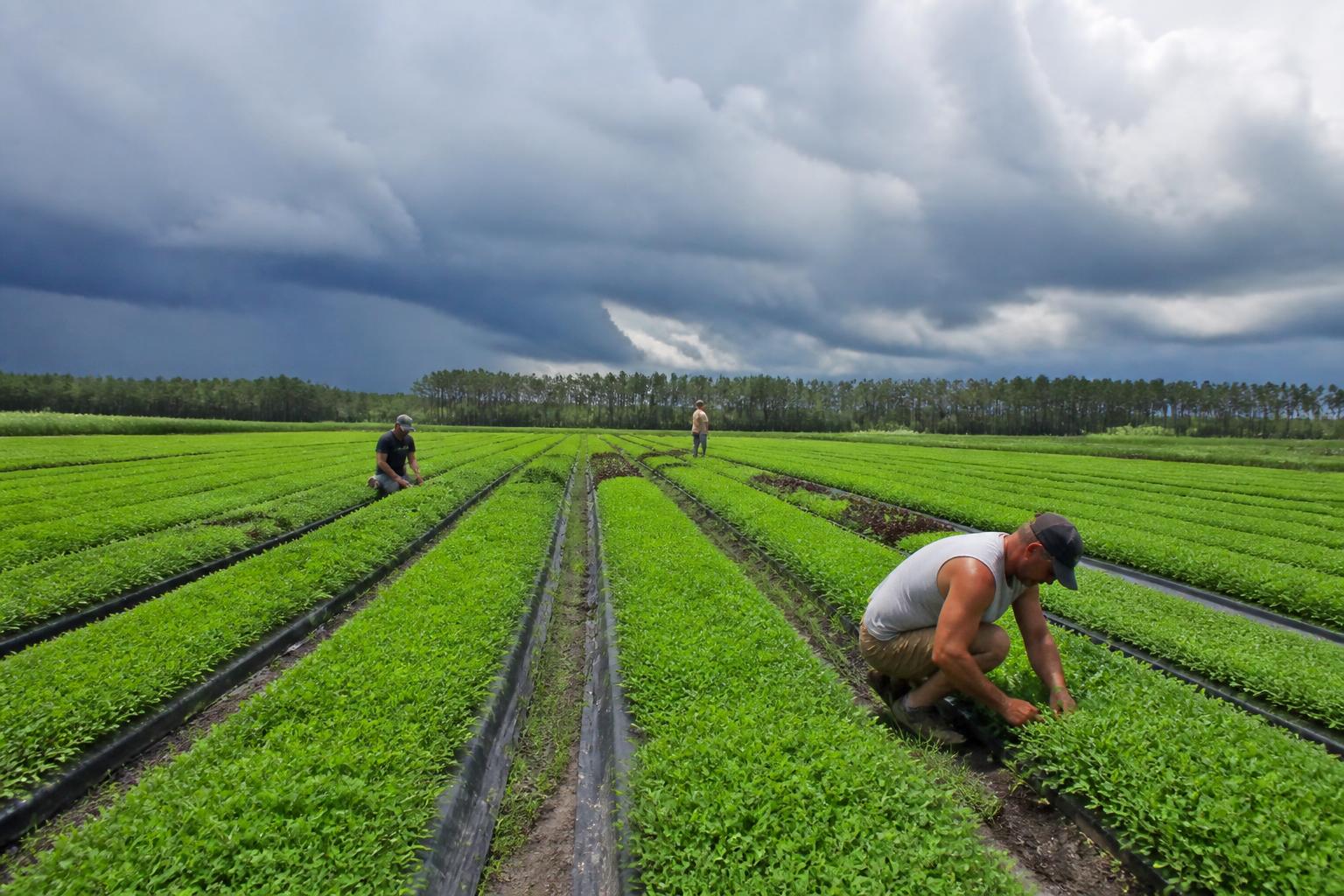
For Florida producers and agribusinesses, the current summer season brings a complex intersection of weather challenges and changing input dynamics. From the Panhandle down to the southern agricultural hubs, heavy rainfall and localized environmental pressures continue to influence operational decisions, making the timing of nutrient management more critical than ever.
As growers refine their strategies for specialty crops and leafy greens, monitoring the evolving landscape of nitrogen availability and overall fertilizer pricing is essential for maintaining margins. While the broader market remains sensitive to global shifts in manufacturing and trade, regional distributors are increasingly focused on stabilizing logistics to ensure that critical inputs reach fields during these high-demand windows.
Adapting to Operational Variability
The push for modernization, seen in the rise of vertical farming and niche crops like microgreens, is changing how inputs are utilized. These systems often require higher precision in application compared to traditional field practices. As producers look to manage these specialized nutrient needs, many are evaluating how new regulatory approvals and product registrations—such as recent advancements in crop protection—can better integrate with their existing logistical frameworks.
Sustainability and Efficiency in Nutrient Use
Emerging technology, including the potential for nano-fertilizers, offers a glimpse into future efficiency gains. While these solutions are still developing, they represent a potential shift toward reduced application rates and improved nutrient uptake, which could provide a valuable buffer against market price volatility. For elevators and input suppliers, maintaining diverse inventory channels remains a primary strategy to mitigate the risk of supply disruptions that can follow severe weather events common in the Florida summer.
Key Takeaways
- Precision application remains a priority for high-value specialty crops to manage input costs effectively.
- Logistics strategies are adjusting to handle the volatility inherent in both weather patterns and global fertilizer supply chains.
- Diversification of product offerings, including biostimulants and specialized fertilizers, is helping producers manage unique regional soil conditions.
What it means for the market: Producers should prioritize local supply chain relationships and consider forward-planning for input procurement to hedge against potential regional distribution delays caused by mid-summer weather disruptions.
Comments
No comments yet - be the first to share your take.