
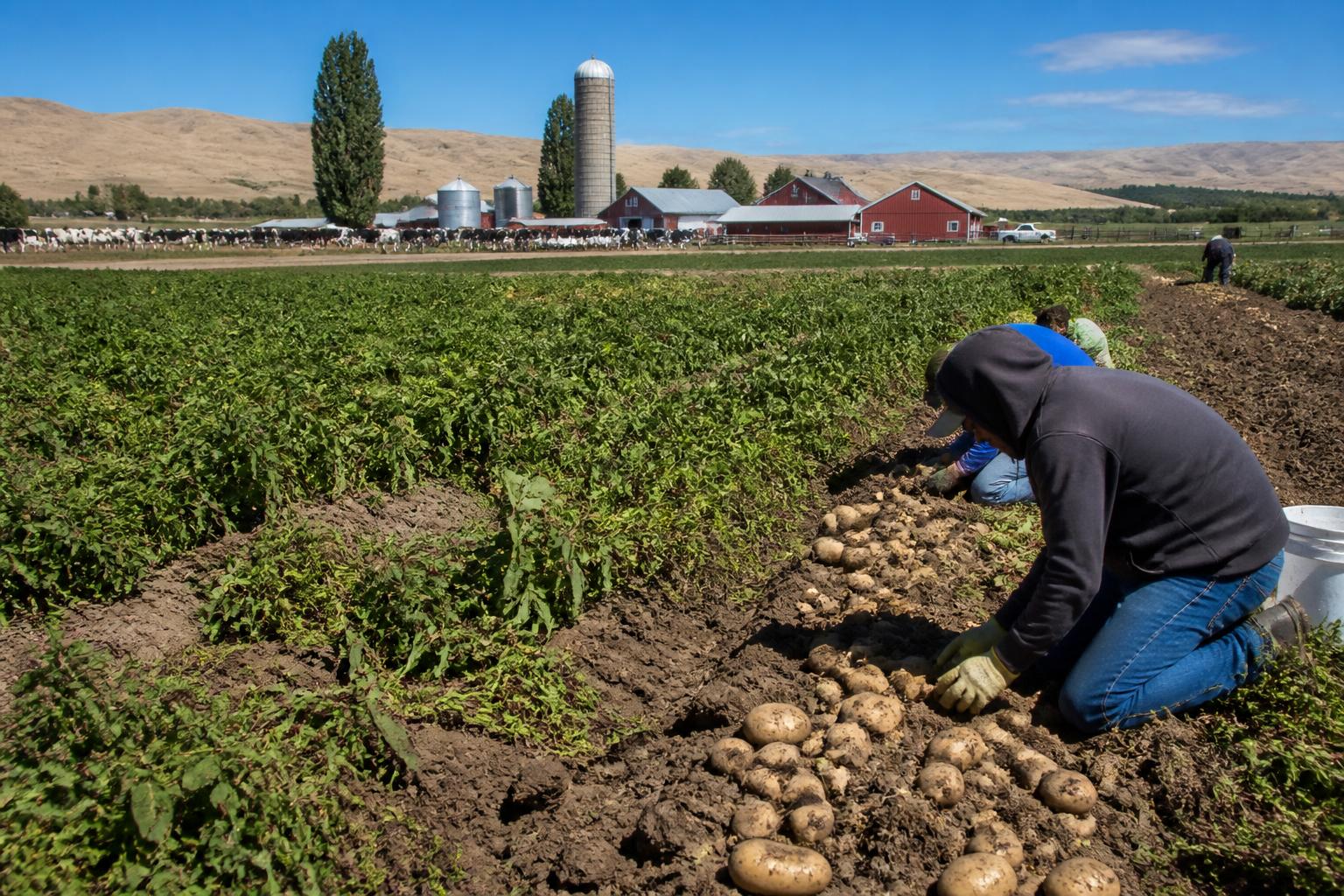
Mid-summer in Idaho brings distinct pressures for regional producers who continue to navigate a complex environment of input costs and supply chain adjustments. For many growers, maintaining margins remains a primary challenge, especially as the industry evaluates new approaches to nutrient management and infrastructure reliability.
Shifting Ownership and Supply Landscape
The state's fertilizer supply chain is seeing notable evolution as agribusinesses look to bolster their regional presence. Recent corporate activity, such as the acquisition of local firms by larger cooperatives, highlights a trend toward consolidating logistical networks. These changes can often influence how farmers access critical inputs, from supply availability to the timing of deliveries during busy application windows. Monitoring these shifts is essential for operations looking to secure favorable procurement terms.
Innovations in Nutrient Management
Beyond traditional supply, research and technology are increasingly focused on improving long-term sustainability. Developments in phosphorus recovery, including the creation of specialized gels capable of extracting and reusing nutrients from water sources, may eventually offer new ways for producers to optimize their soil management practices. Adopting such innovations can help mitigate reliance on external supplies, provided these tools can scale effectively for Idaho's diverse agricultural landscape.
Furthermore, regulatory discussions regarding application standards, including ongoing debates over the oversight of pesticide and fertilizer applicators, continue to draw attention. These policy conversations can influence how businesses manage their fleets and labor force, potentially affecting service flexibility during peak seasonal demands.
What it means for the market
For Idaho agribusinesses and grain handlers, the current environment necessitates a proactive stance on input procurement. With ongoing cost sensitivities, local operators are prioritizing reliability and efficient logistics. As you plan for the coming months, staying informed on infrastructure investments in the Idaho fertilizer sector and keeping track of broader logistics trends will be critical to maintaining competitive operations. By leveraging localized supply chain data and exploring sustainable nutrient recovery, producers can better position themselves against market volatility.
Comments
No comments yet - be the first to share your take.