
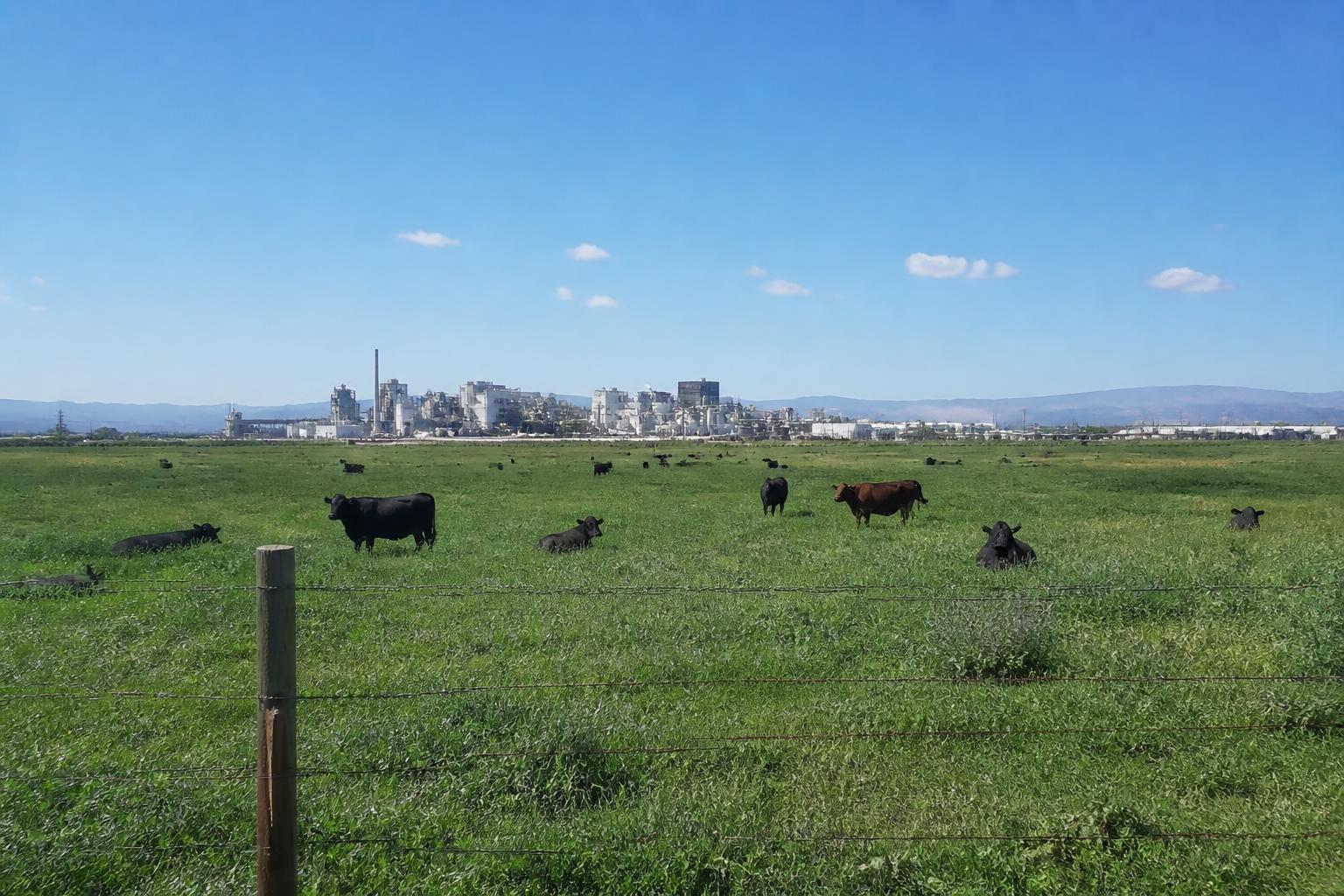
Processing Plant Labor Stoppages
Colorado cattle producers are currently monitoring potential market volatility following reports of large-scale labor strikes at a major JBS beef processing facility in the state. Such interruptions in processing capacity often lead to immediate pressure on local fed cattle prices, as the throughput of finished livestock is restricted during peak summer operations. Producers in regions surrounding major processing hubs may experience temporary logjams in shipping schedules, forcing a re-evaluation of marketing timelines.
Rail Competition and Logistics Constraints
Beyond the processing sector, the broader movement of Colorado agricultural products is being impacted by evolving regulatory and legal scrutiny surrounding major freight carriers. Recent allegations of anticompetition violations involving Union Pacific and other regional rail lines have drawn significant attention from those tracking supply chain efficiency. While the legal process unfolds, many grain handlers and input buyers are cautious about how these developments might affect freight rates and service reliability for the remainder of the season.
For those managing complex supply chains, navigating Colorado logistics requires a proactive approach to potential service gaps. Maintaining open lines of communication with local rail representatives and alternative freight providers can help mitigate the risks associated with industry-wide legal and operational uncertainty.
What it means for the market
The convergence of labor instability in the meatpacking sector and structural questions regarding rail logistics creates a challenging environment for Colorado agribusiness. Producers and elevator operators should prioritize liquidity and maintain flexible delivery schedules as the market adjusts to these supply chain bottlenecks. Monitoring local basis levels and processing capacity remains essential for minimizing the impact of these sector-specific headwinds throughout the summer.
Comments
No comments yet - be the first to share your take.