
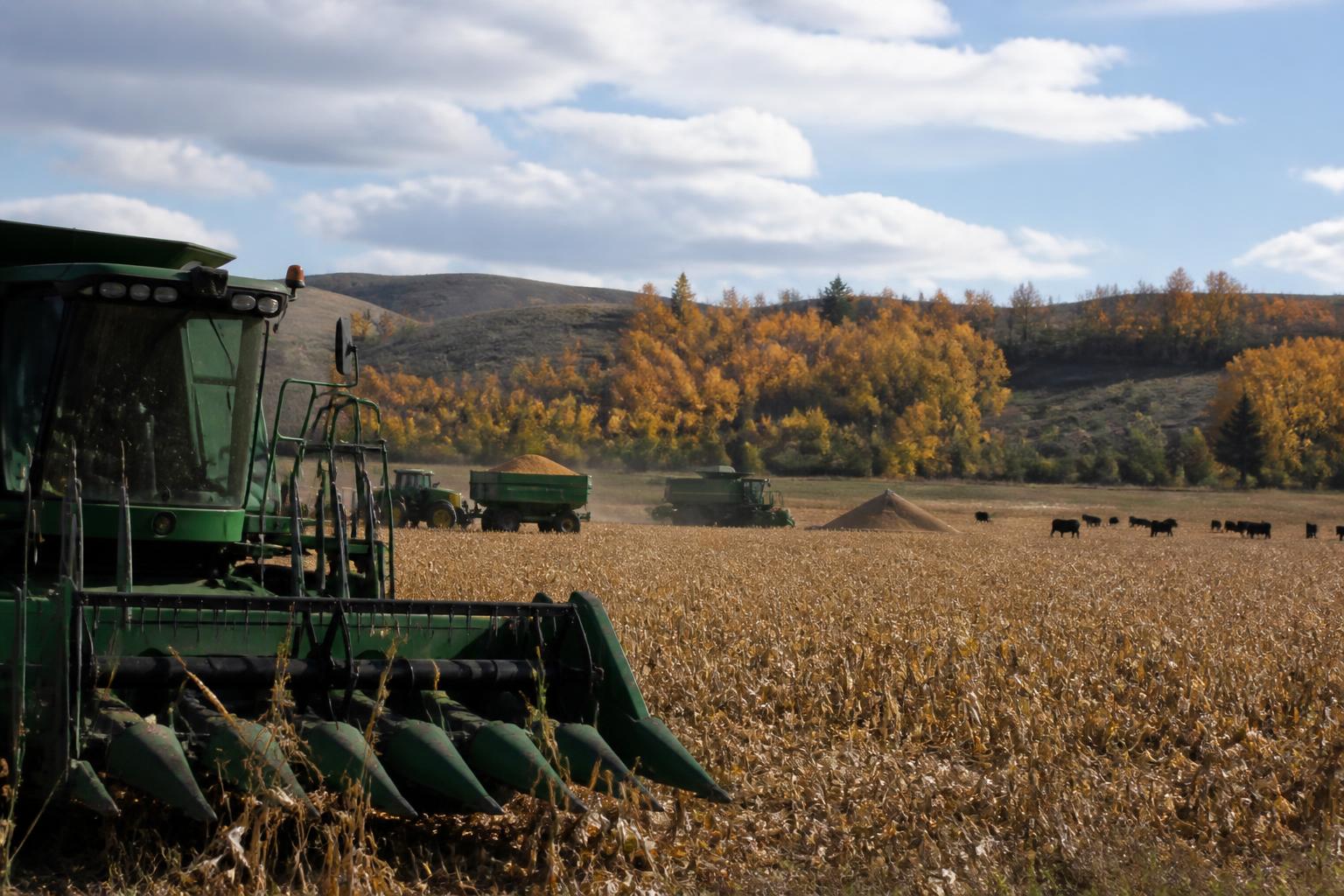
Reflecting on Idaho's Production Benchmarks
The Idaho agricultural sector has demonstrated significant resilience and economic scale, with recent data highlighting record-high production values totaling over $11 billion. For cattle producers across the Treasure Valley and the Snake River Plain, this baseline of strong performance sets the stage for navigating current seasonal market fluctuations. As we move deeper into the fall, maintaining operational efficiency is critical for those managing livestock through the transition from summer pasture to winter feeding programs.
Current Cattle Market Dynamics
Producers are currently evaluating how to best position their herds as seasonal demand shifts. While the state's agricultural output remains robust, livestock handlers are typically focused on balancing inventory costs with potential price volatility. Managing input procurement has become a central part of this strategy, particularly as producers plan for the upcoming winter months. Keeping a close eye on regional market signals can provide necessary insights for decision-making regarding herd size and feed stockpiling.
Logistics and Seasonal Planning
Logistical pressures in Idaho often intensify during the harvest season. Coordinating transportation for livestock and essential inputs requires proactive planning, especially with the increased traffic on major transit corridors. For those seeking to mitigate rising costs, navigating current input trends effectively is a key component of sustaining profitability in the cattle sector. Successful producers typically prioritize early contract commitments to avoid the bottlenecks that can emerge as regional shipping capacity hits its autumn peak.
What it means for the market
The current environment suggests a landscape of high stakes and high production value. While past performance has set a strong economic record for Idaho, current success relies on the ability to adapt to seasonal logistics and input cost shifts. By remaining nimble and closely monitoring regional supply chains, Idaho cattle producers can better navigate the variables that define profitability in the late-season market.
Comments
No comments yet - be the first to share your take.