
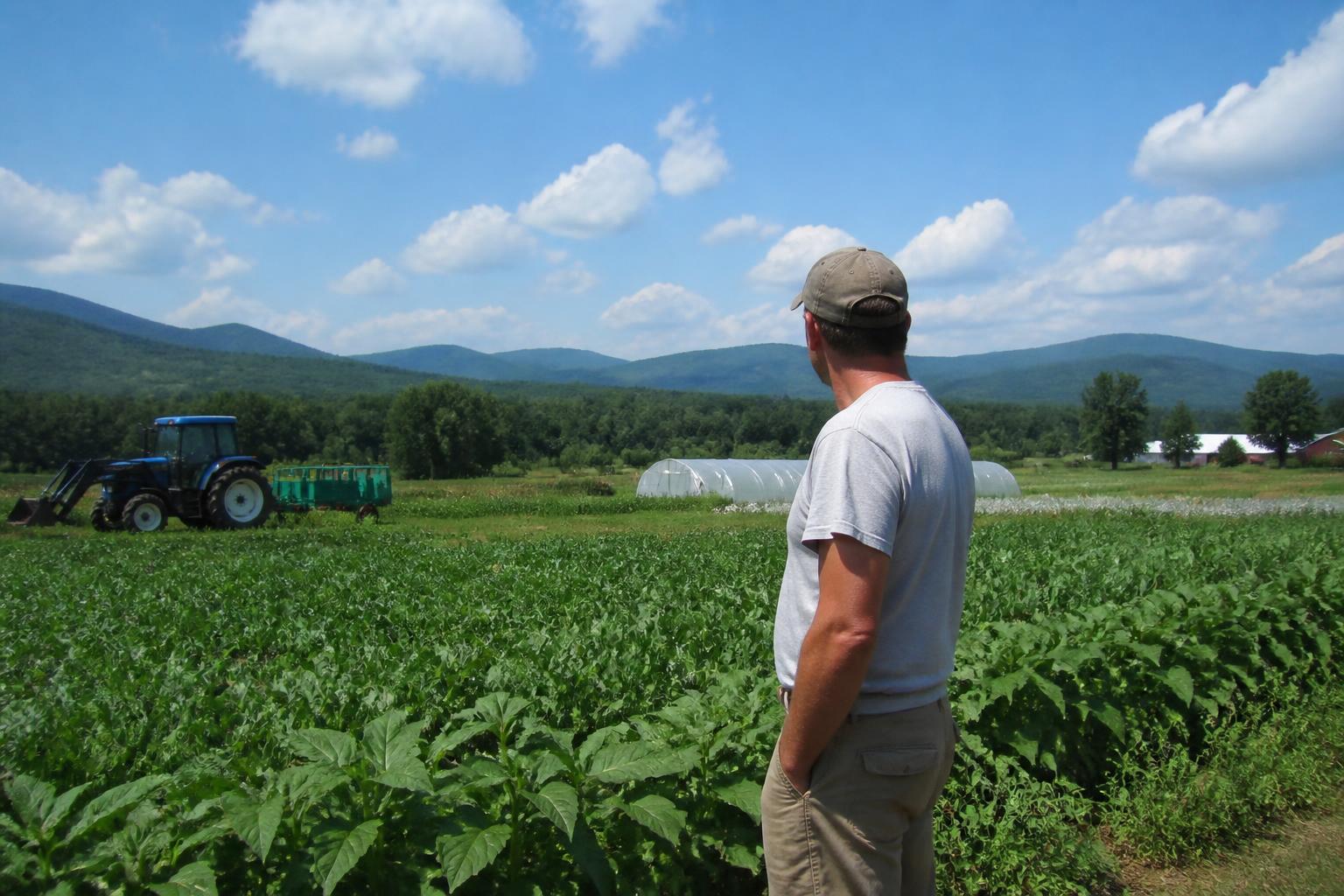
New Hampshire agriculture is navigating a period of significant structural support as the growing season hits its peak. Producers across the state are focusing on stabilizing operations following recent periods of volatility, with a particular emphasis on resource management and long-term farm viability. Recent initiatives aim to provide a buffer for operations, allowing growers to address the challenges of climate variability that have complicated production cycles in recent years.
For those managing input costs and production sustainability, the landscape is shifting toward more integrated support systems. Diversification remains a key strategy for many local growers looking to maximize the utility of their land while minimizing exposure to singular crop failures. Whether navigating the complexities of specialty inputs or securing infrastructure upgrades, the current environment prioritizes operational durability.
Resource Allocation and Financial Safety Nets
Financial programs designed to bolster regional resilience have become a critical component of the state's agricultural infrastructure. With resources now available to assist farmers impacted by extreme weather, many businesses are evaluating their capital requirements for the remainder of the season. This focus on financial stability is supported by regional commitments to invest in the Northeast farming sector, ensuring that local supply chains remain competitive against broader market pressures.
Infrastructure and Future Planning
Beyond immediate crop concerns, there is a renewed emphasis on the regulatory and mechanical aspects of livestock and crop management. Legislative developments regarding on-farm processing and equipment grant opportunities are providing producers with new avenues to increase the value of their output. These investments are essential for farms looking to scale their direct-to-consumer reach or improve efficiency in their processing workflows during this busy summer period.
What it means for the market: Producers should stay informed on the application timelines for state-level recovery and equipment grants. While external market factors and global trade shifts continue to impact agricultural costs, prioritizing local, resilient production remains the most effective strategy for New Hampshire agribusinesses to navigate the current season.
Comments
No comments yet - be the first to share your take.