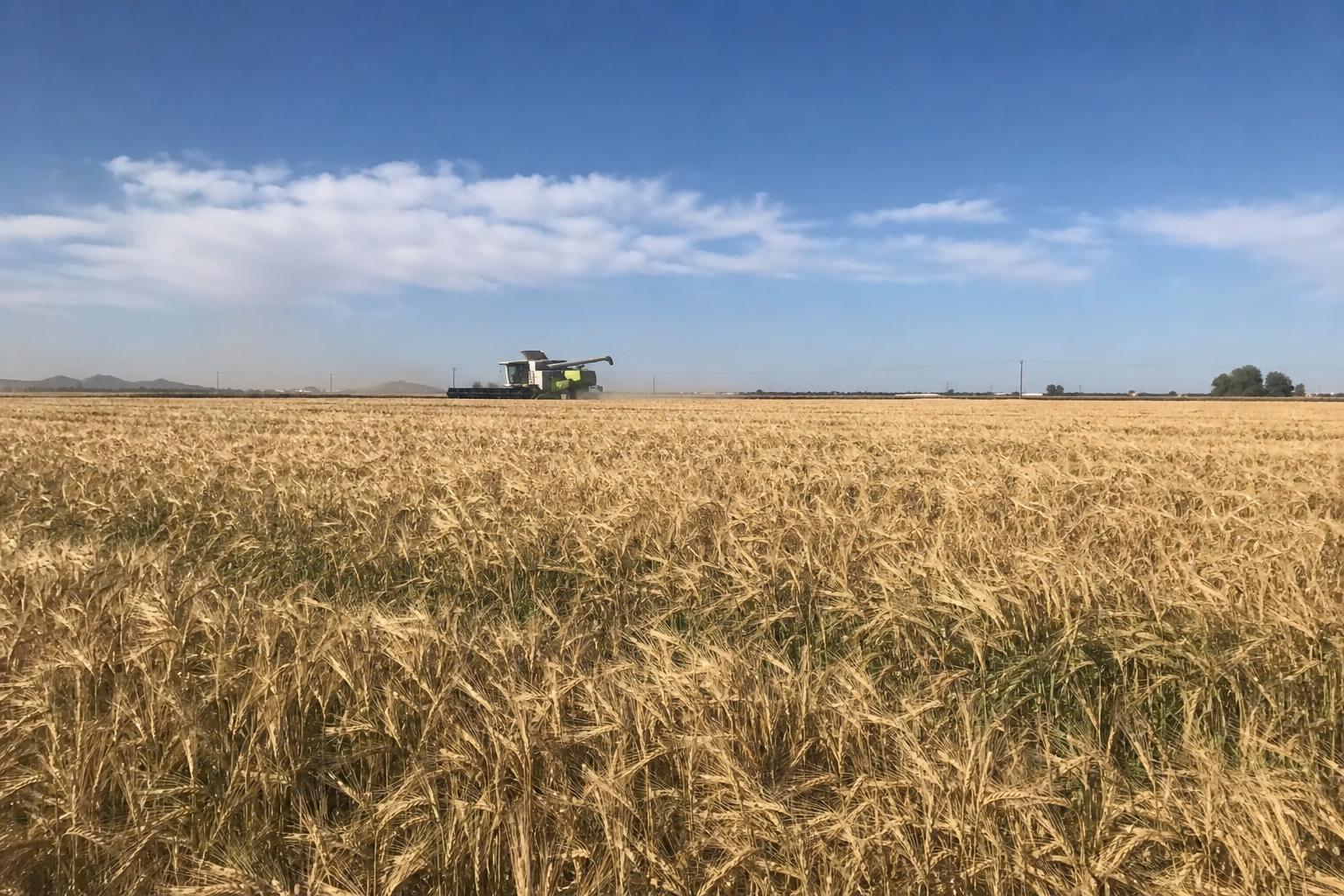
Arizona's Grain Market: Adapting to Change and Opportunity
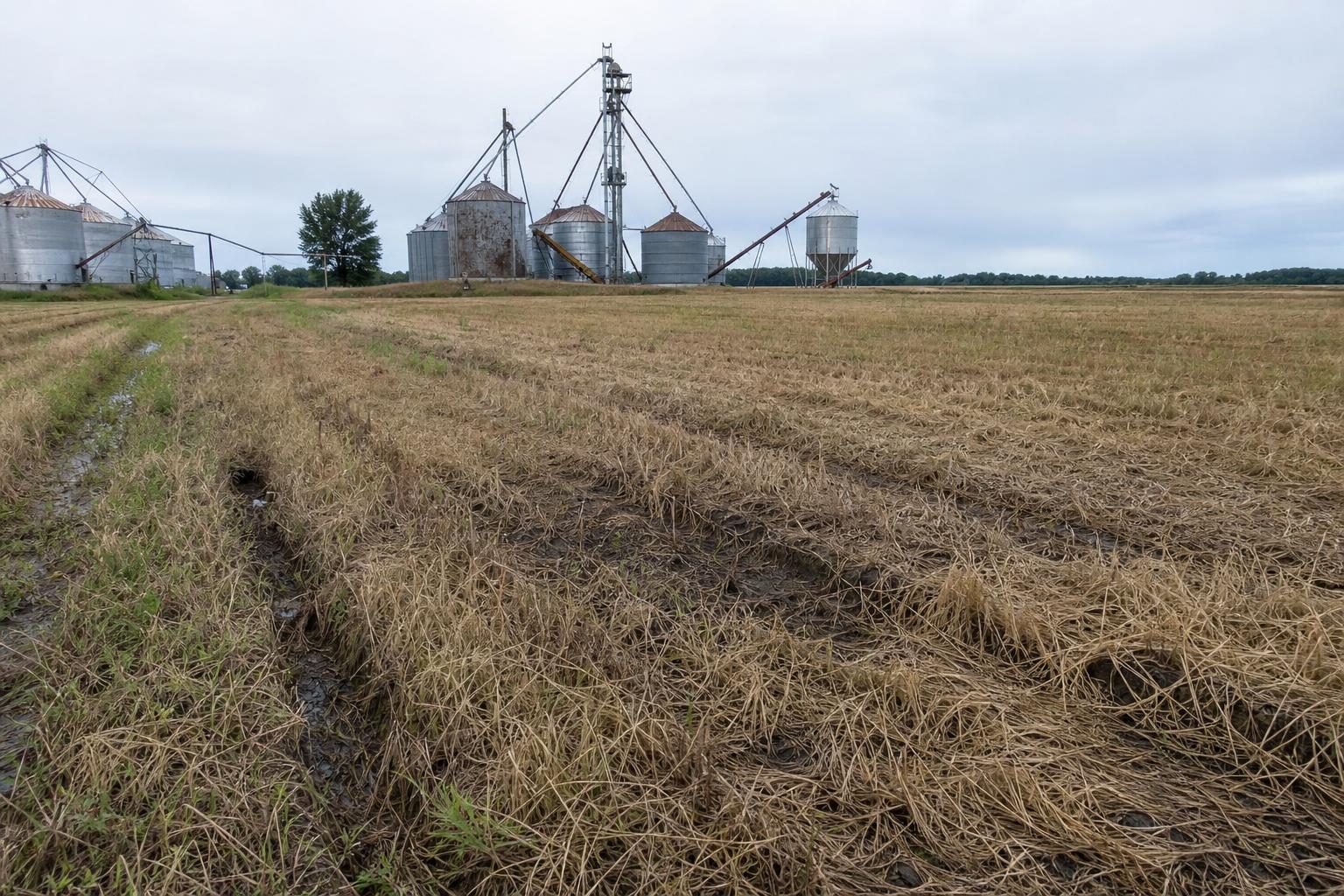
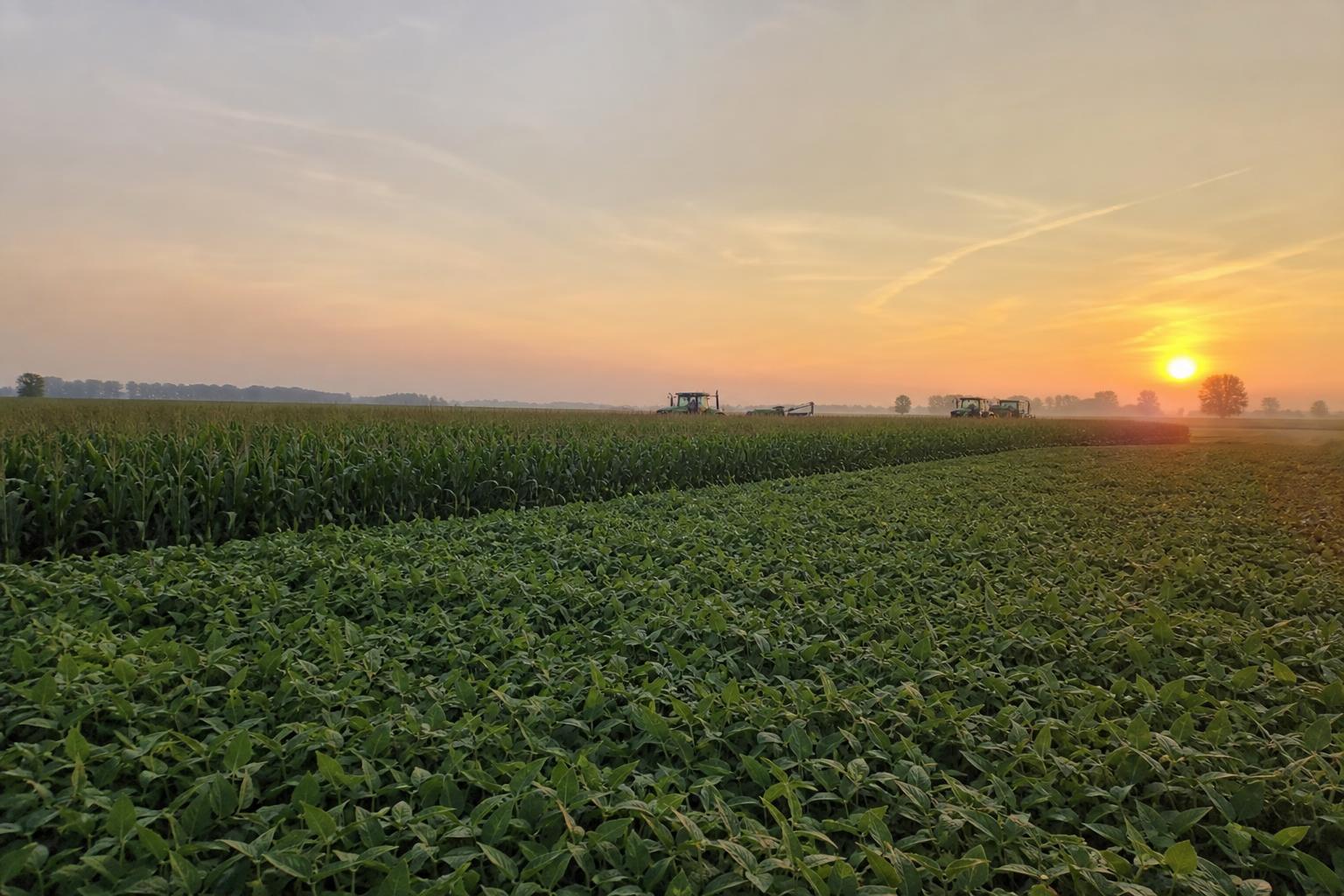
Arizona's grain market adapts to climate challenges and market demands, showcasing resilience and innovation in crop production.
We collect original digests and analytical notes based on facts, market signals and verified sources.
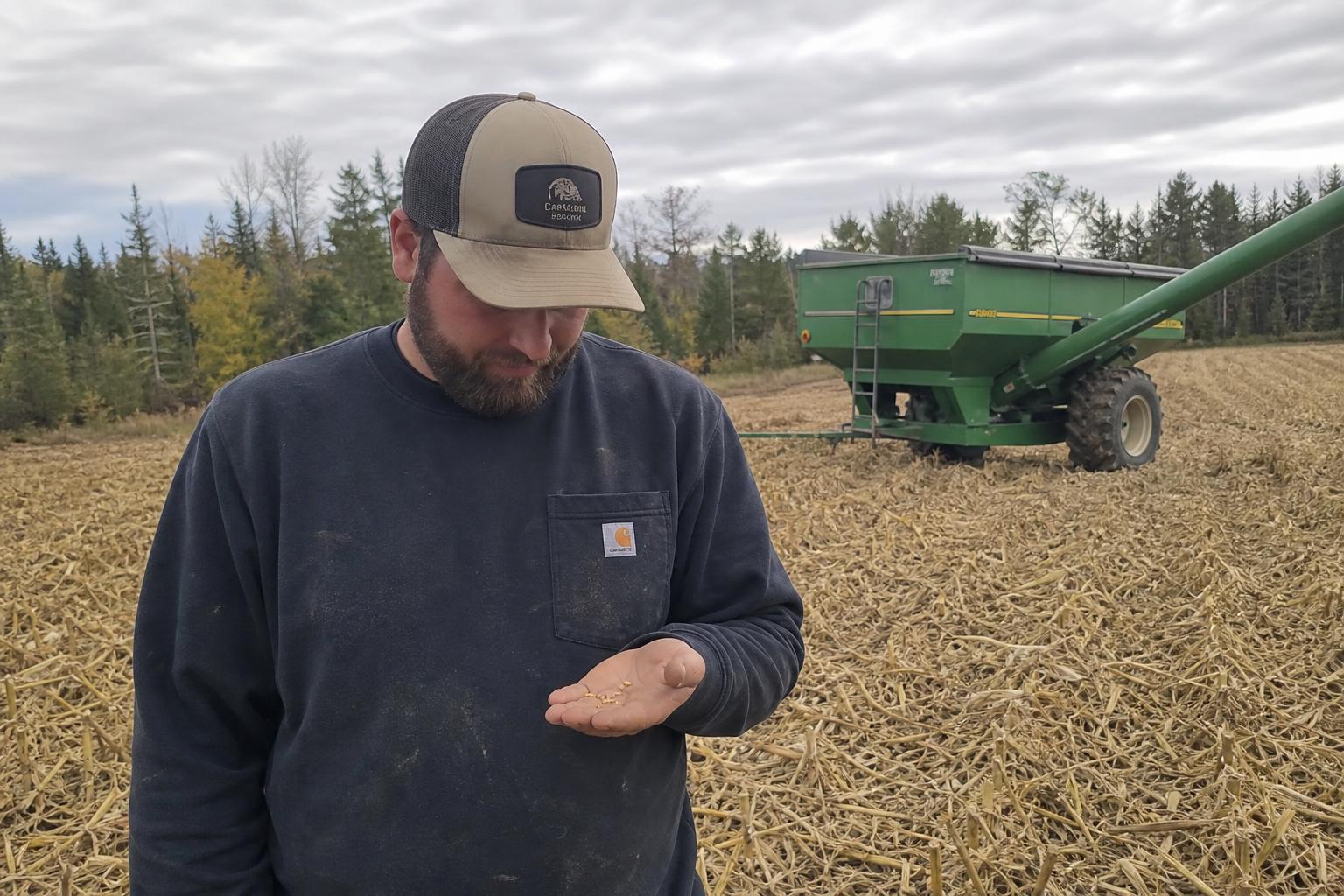
As Florida enters the fall season, growers are managing shifts in input availability, rising commodity costs, and the ongoing push for sustainable production methods.
Arizona's grain market adapts to climate challenges and market demands, showcasing resilience and innovation in crop production.
Explore the current state of Arkansas agriculture, focusing on crop acreage changes, market dynamics, and international investments.
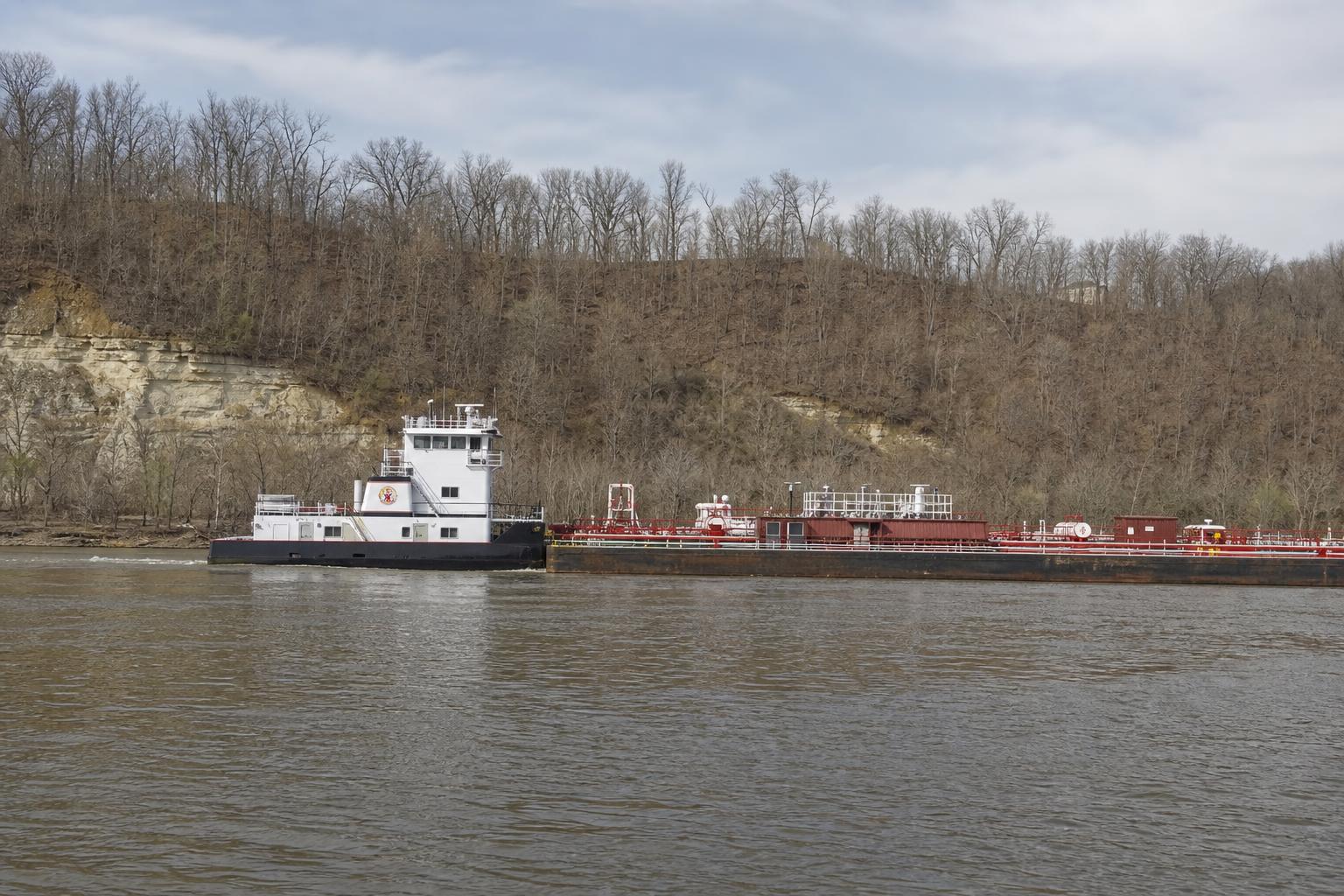
Drought has led to historically low water levels in the Mississippi River, posing significant challenges for the agriculture sector in Mississippi. The reduced river flow is affecting grain transport and market prices, impacting farm incomes and logistics.
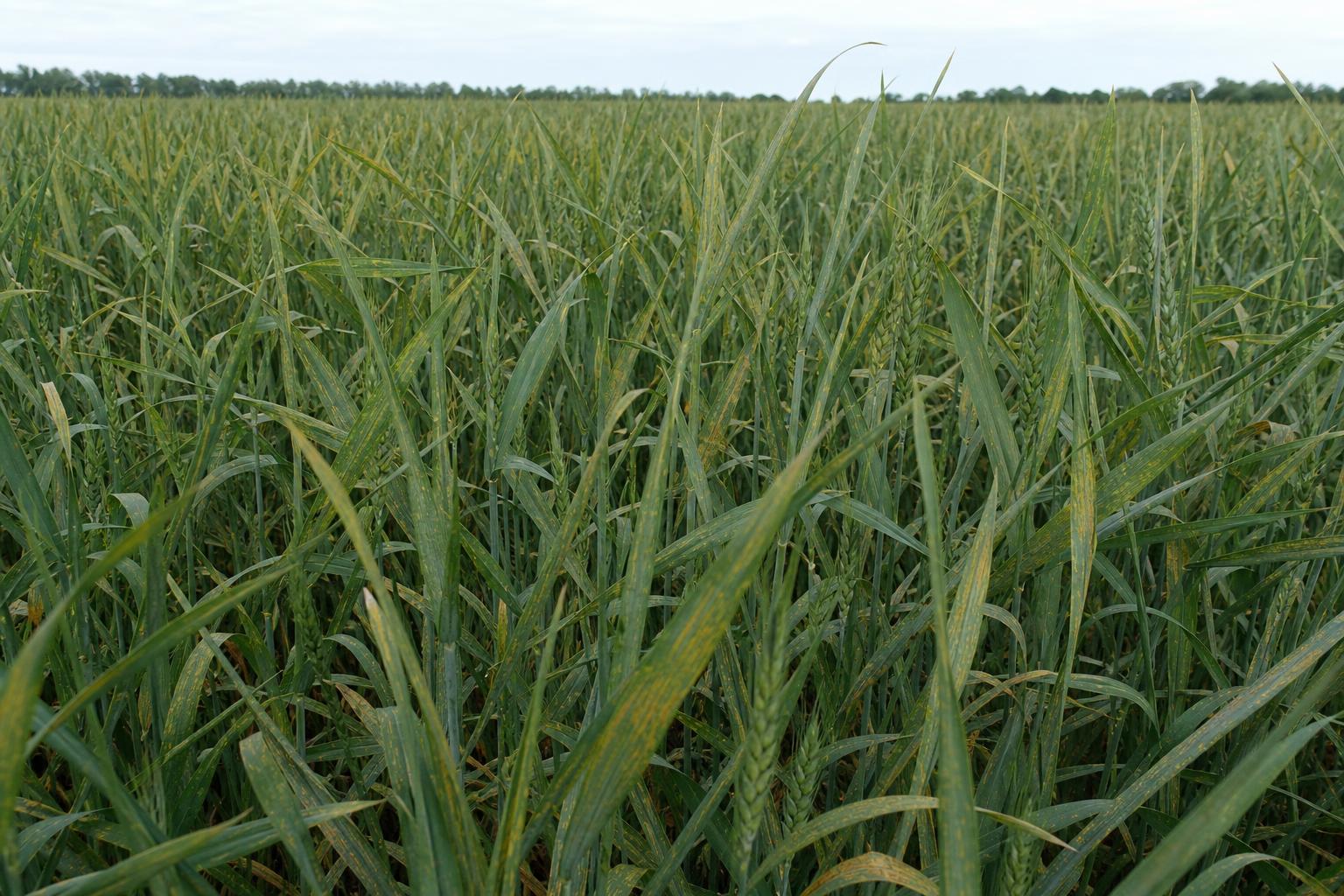
Discover the latest updates on Louisiana's wheat market, including early leaf rust challenges and export potential.
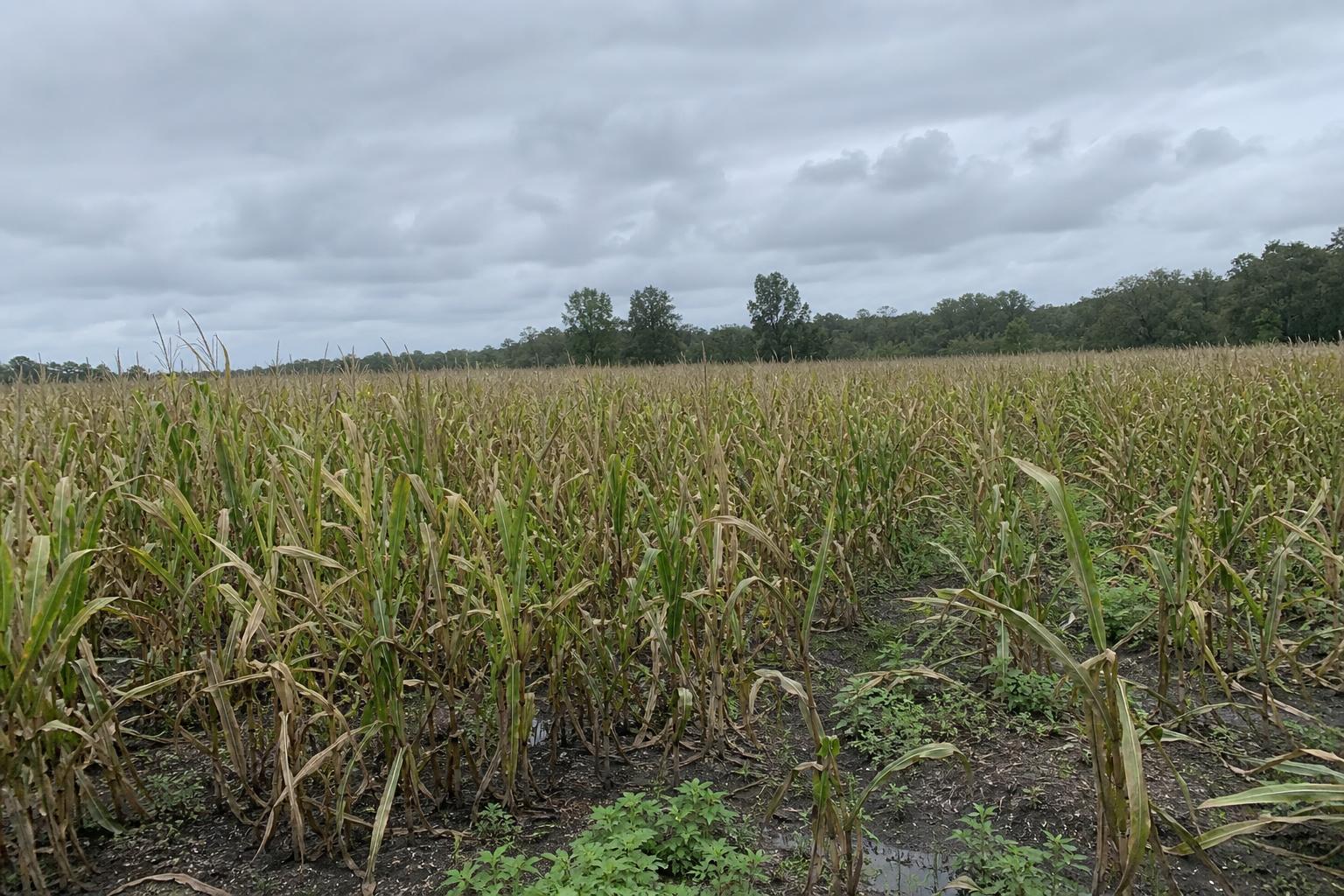
Uncover the latest developments in Florida's agricultural markets, focusing on corn, wheat imports, and the impact of recent weather conditions.
With Taiwan's recent commitment to purchase significant corn and soybean volumes, Indiana's agricultural sector is poised for promising growth in the coming years. This article explores the potential impacts on local farmers and market dynamics.
Maine's grain sector is expanding, driven by diverse crops like oats and barley, and fueled by local markets. Farmers face unique opportunities and challenges navigating this evolving market.
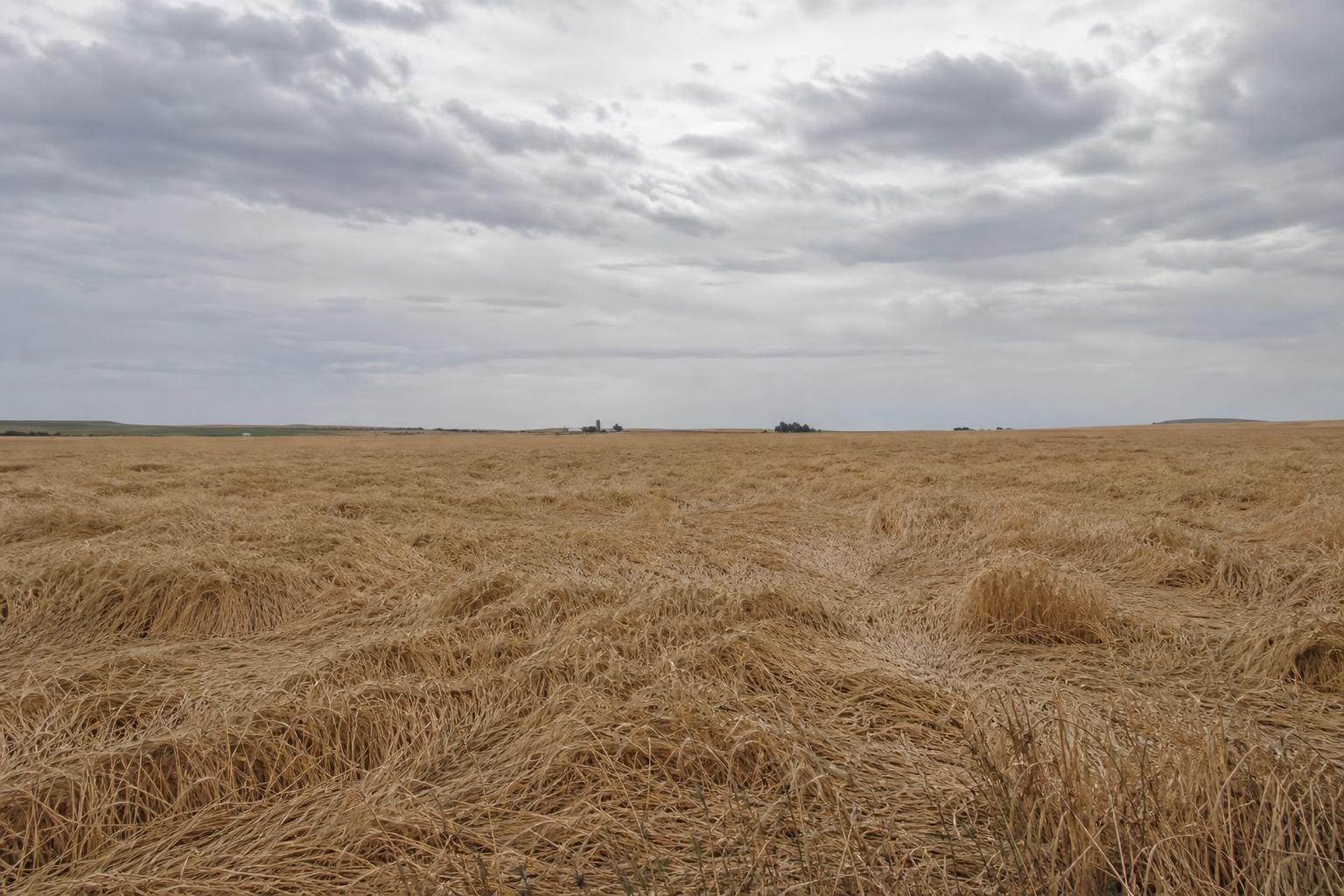
Despite facing significant challenges due to adverse weather conditions, Idaho remains a key player in the U.S. wheat market, bolstered by international trade agreements and emerging opportunities.
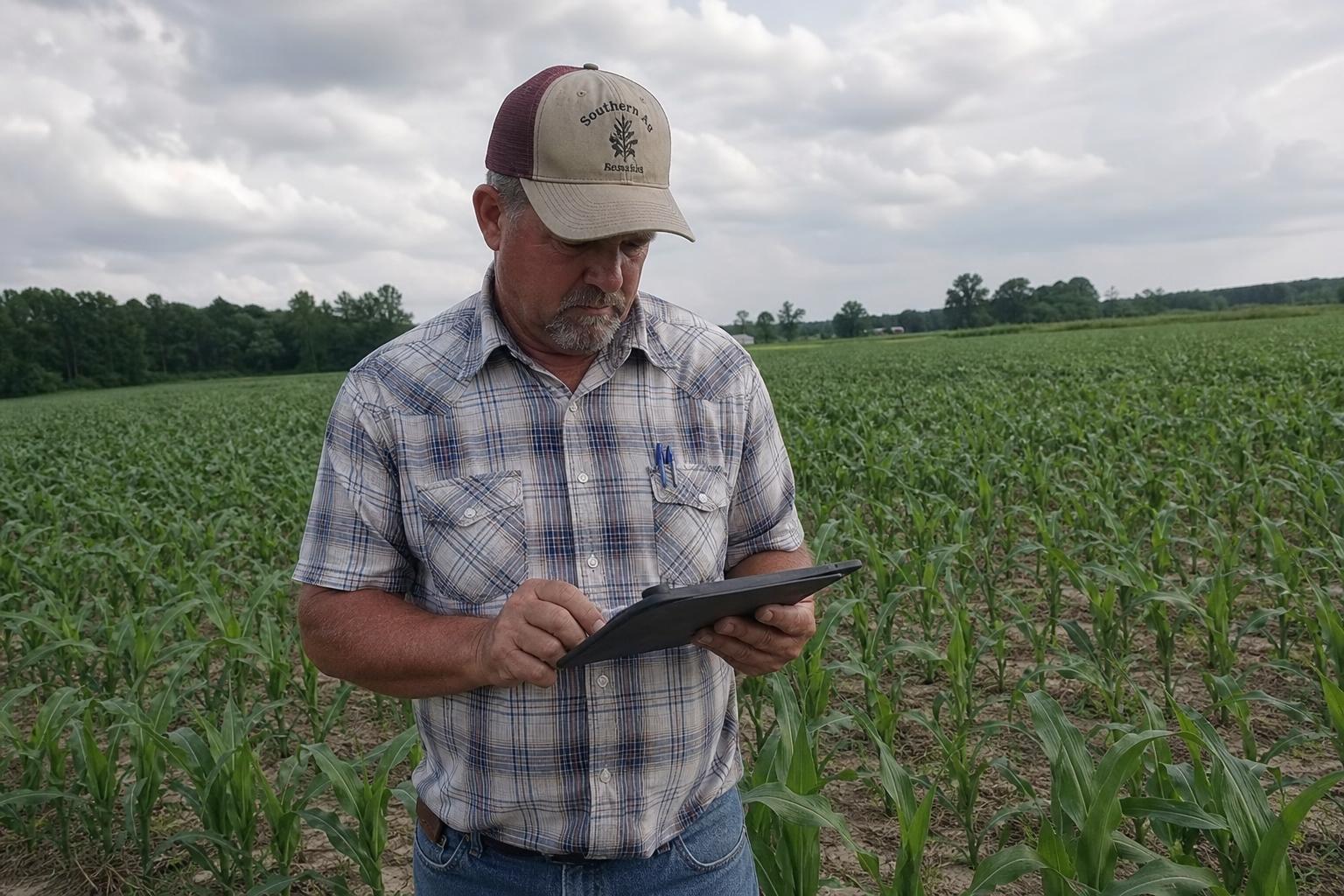
Georgia's corn market sees continued investment through renewed assessments. This article explores the potential impact on farmers and the state's agricultural landscape.
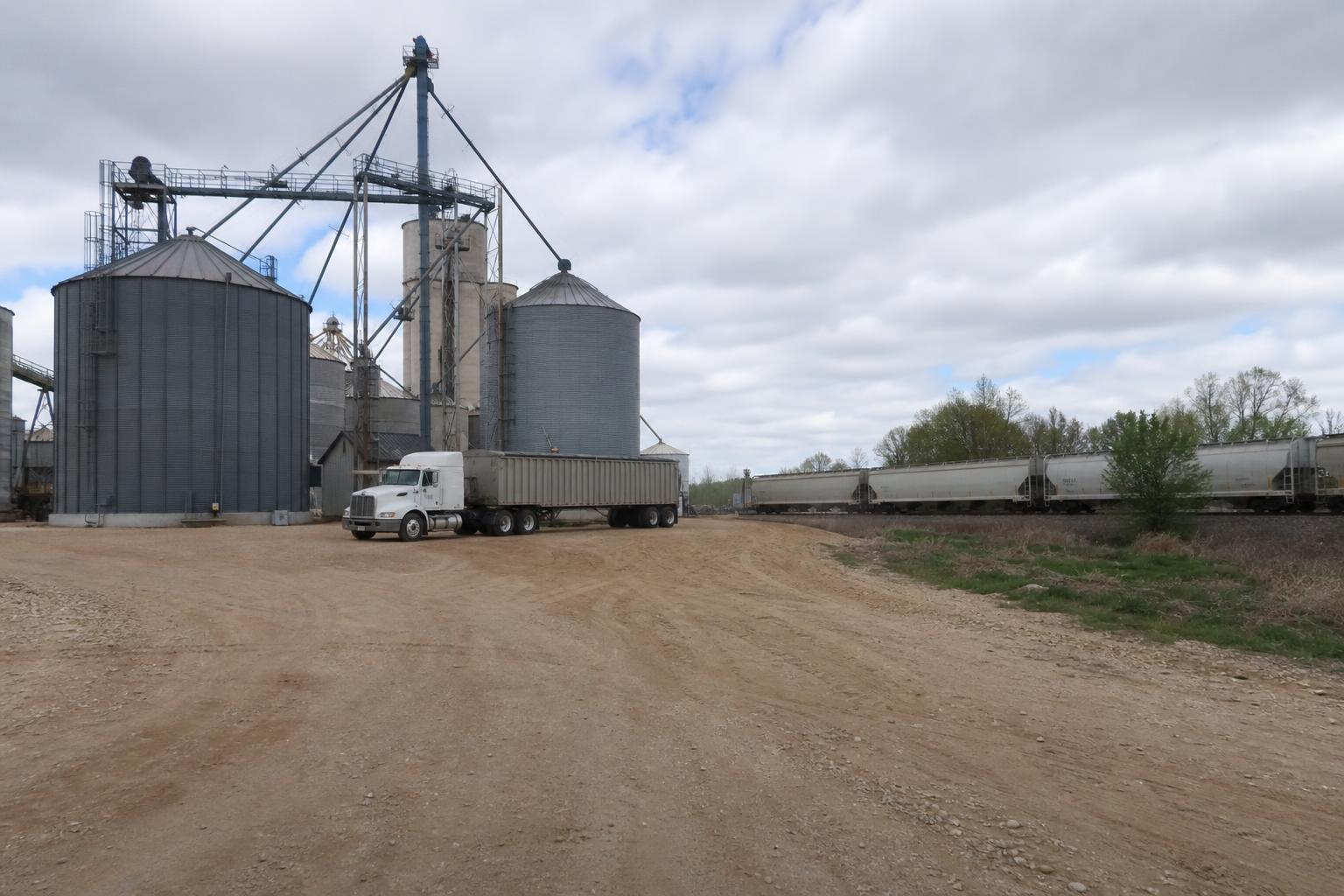
Grain logistics remain a practical price factor for U.S. elevators, farmers and exporters. This brief focuses on how to coordinate truck slots, rail execution, barge access and export movement before freight timing starts to pressure basis.
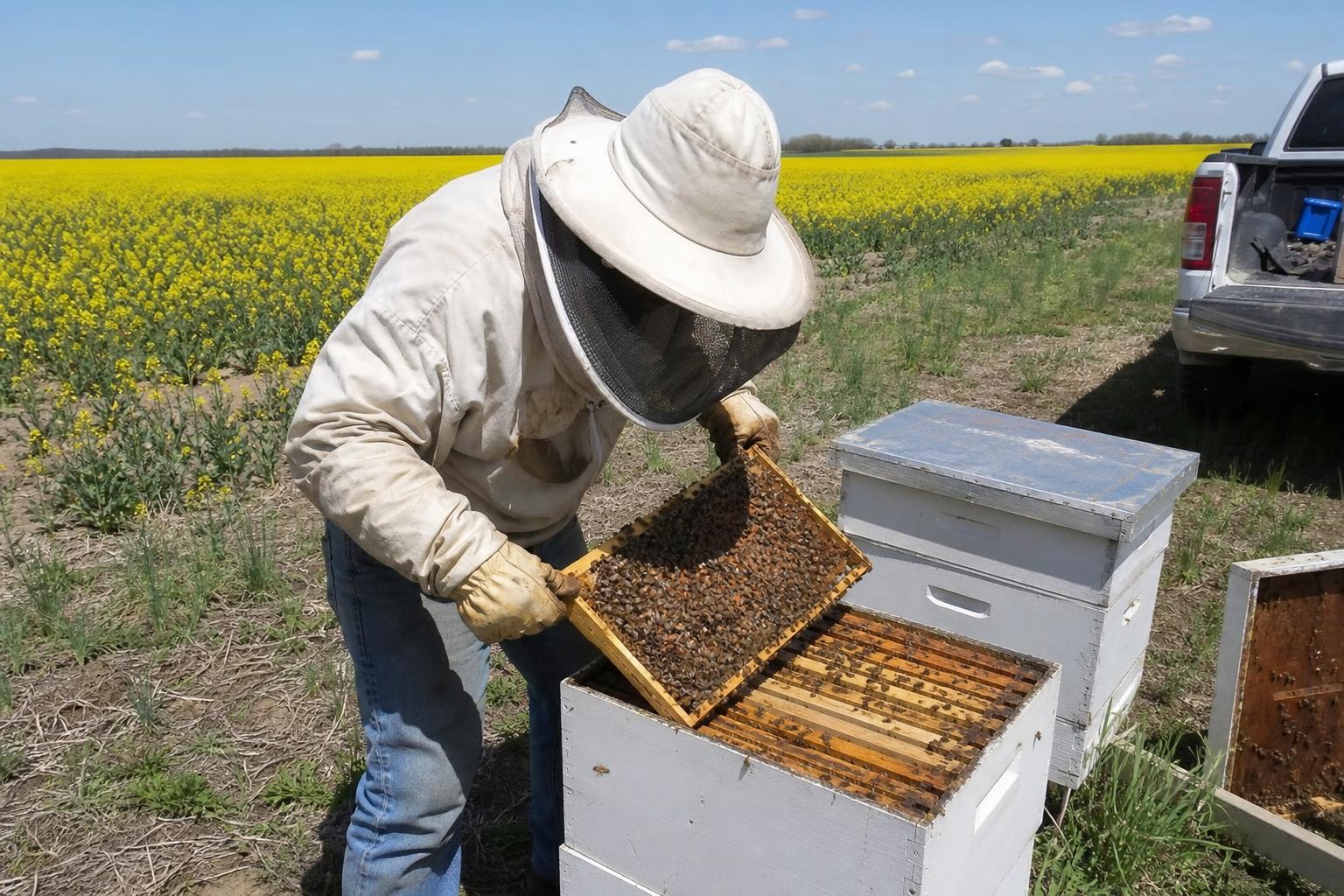
USDA ARS research on Nosema ceranae shows how the parasite can disrupt iron use in honey bees, reinforcing the need for growers, beekeepers and input advisers to keep pollination health in crop protection planning.
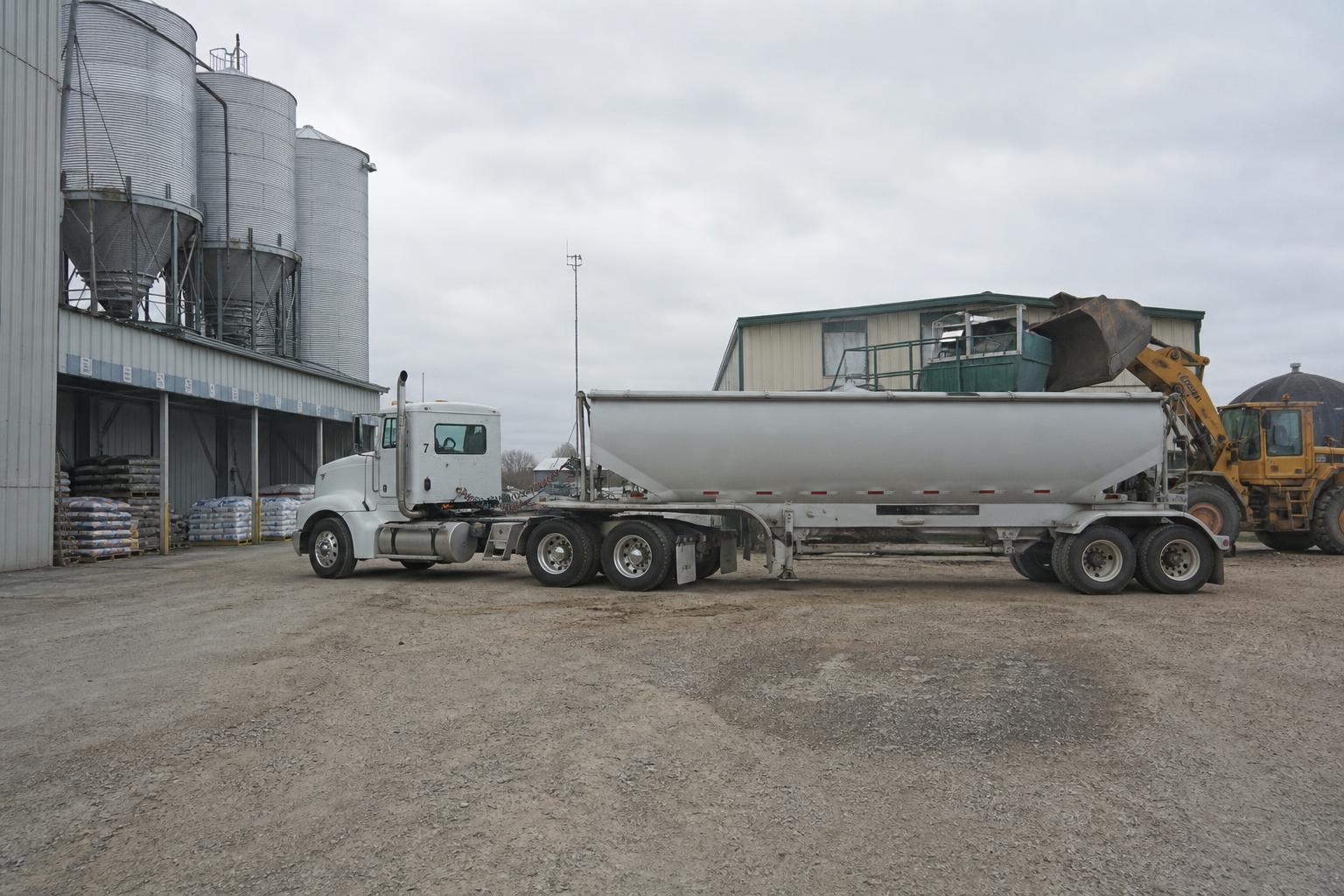
U.S. fertilizer buyers should keep the focus on delivered cost, freight availability and product timing rather than headline quotes alone. Nitrogen, phosphate and potash decisions remain tied to application windows, storage capacity and local transportation conditions.
Sign in to manage requests, save contacts and respond to market offers quickly.
Continue with Google Continue with MicrosoftSign in to manage requests, save contacts and respond to market offers quickly.
Continue with Google Continue with MicrosoftEnter your email and we will send a password reset link.
Don't have an account?
We value your privacy
We use cookies to run the site and, with your consent, to measure traffic (Google Analytics) and personalize ads. You can accept, reject, or choose. Privacy Policy