
Fertilizer Market and Input Logistics
Florida’s agricultural landscape is currently navigating a period of adjustment regarding essential production inputs. Recent shifts in the fertilizer sector, including localized workforce adjustments at manufacturing facilities, highlight the complexities of managing global supply chains within the state. Growers are also reporting increased price pressure for essential soil amendments, with copper sulphate prices rising in September due to a combination of heightened agricultural demand and regional weather-related supply disruptions.
For producers, these trends necessitate a more proactive approach to inventory management. As the fall season progresses, agribusinesses are encouraged to monitor local availability of nutrients closely to avoid operational bottlenecks during peak planting windows. These logistical hurdles are a familiar challenge for many in Florida's agricultural logistics and transport sectors, where timing and efficiency remain critical to maintaining healthy margins.
Advancements in Sustainable Production
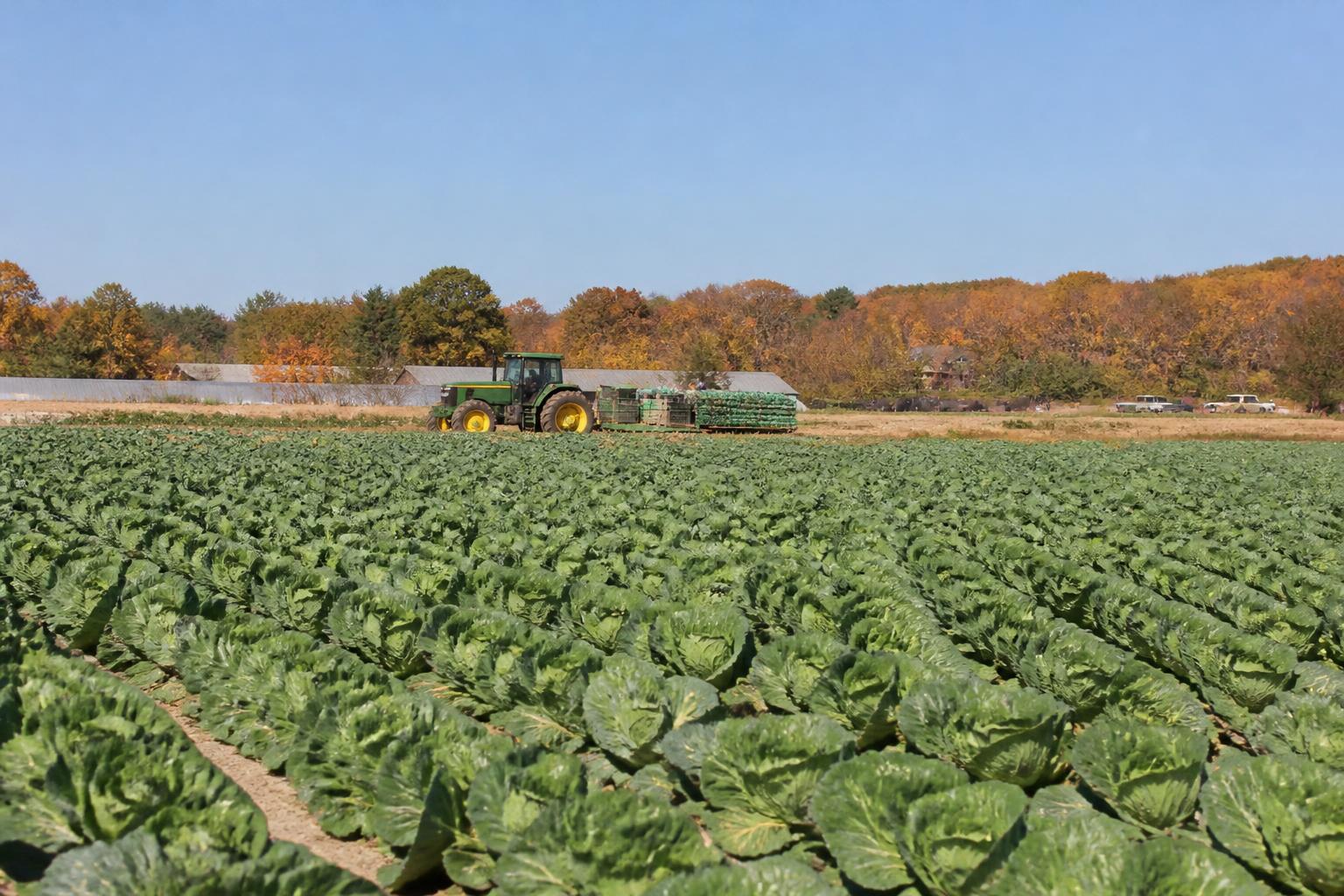
Beyond traditional input management, Florida growers continue to experiment with regenerative practices aimed at enhancing long-term soil health. Many farms are finding that investing in sustainable infrastructure—such as precision irrigation and soil-building cover crops—can yield tangible benefits for both the environment and their bottom line. From cabbage production to indoor specialty mushroom cultivation, the state is seeing a diversification in how high-value crops are brought to market.
Policy and Protection in Focus
Policy remains at the forefront of the Florida agricultural agenda as leaders look toward the 2026 Farm Bill. Current discussions center on proposals designed to strengthen the domestic industry against foreign competition and market instability. Growers are closely monitoring legislative efforts, particularly those aimed at protecting the state's specialty crop sector during trade agreement reviews. Additionally, state departments continue to provide resources for pest management and biosecurity, ensuring that the industry remains resilient against both biological threats and economic volatility.
What it means for the market
Producers should prepare for a potentially tighter input market heading into the next production cycle. While high-tech indoor operations and sustainable farming initiatives offer paths toward reduced overhead, the immediate focus remains on managing rising costs and navigating the policy environment to ensure, as the industry puts it, a protected and free market for local farmers.
Comments
No comments yet - be the first to share your take.