
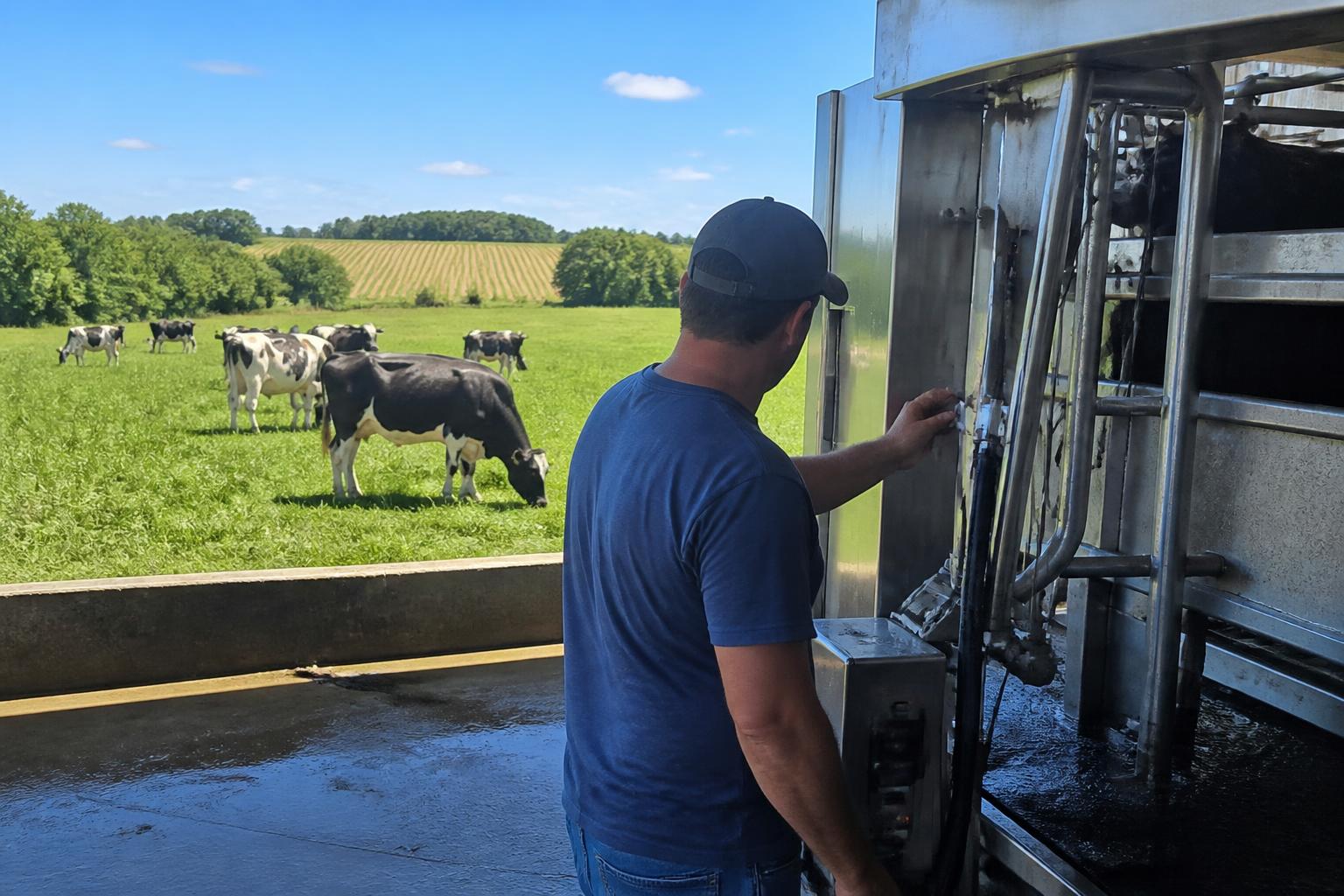
Connecticut dairy operations are facing an intensifying economic squeeze this summer as low farm-gate milk prices collide with stubbornly high operating costs. While global and national grain markets experienced a downward tick at the end of June 2026, local producers continue to navigate a delicate balance between tight margins and the need for long-term modernization.
Operating Squeeze and Milk Market Pressures
In counties like Litchfield and Windham, where dairy heritage remains a cornerstone of the local agricultural landscape, producers are reporting severe financial stress. Operating expenses, including fuel, labor, and machinery maintenance, have remained elevated even as milk pay prices fail to keep pace with production costs. For many multi-generational farms along the Connecticut River Valley and regional transport corridors, managing day-to-day cash flow has become an uphill battle.
This challenging environment highlights the critical role of feed costs. While a slight drop in national grain values at the end of June offers some minor relief for feed buyers, local grain procurement remains a major expense. Farmers closely monitoring input strategies can find additional context in our overview of the Connecticut summer grain market and feed price shifts, which highlights how national trends filter down to New England feeding programs.
Automation and Innovation as a Path Forward
To combat labor shortages and optimize herd health, some Connecticut operations are choosing to invest heavily in technology. The state's recognized dairy farm of the year is embarking on a transition to robotic milking systems, demonstrating how automation can help manage labor constraints and improve overall efficiency.
Implementing robotics and automated feed pushers can help stabilize operational schedules and maximize milk yield per cow. However, these high-tech systems require significant upfront capital, a daunting prospect during a prolonged price downturn. This shift toward technological integration mirrors broader regional trends, where updating farm systems often goes hand-in-hand with other modern tools, as explored in the discussion on modernizing Connecticut crop protection and new drone laws, illustrating how local agriculture is turning to tech to survive.
Feed Trends and Weekend Grain Movements
The broader grain markets finished lower during the final weekend of June 2026. This downward movement in major feed grains could translate to slightly more favorable contract opportunities for dairy operations looking to secure summer and fall feed supplies. Feed coordinators and dairy nutritionists across Connecticut are watching these market shifts closely, aiming to lock in lower ingredient costs where possible to offset the squeeze in milk margins.
Key Takeaways for Connecticut Producers
- Price Pressures: Milk prices remain low while on-farm operating costs for energy, labor, and equipment remain high, stressing liquid cash reserves.
- Robotic Transition: Automated milking systems are emerging as a viable but capital-intensive strategy to combat regional labor shortages.
- Feed Relief: A weekend drop in national grain prices on June 26, 2026, may offer temporary purchasing opportunities for feed buyers.
What it means for the market
For Connecticut's dairy sector, the coming months will test the financial resilience of both traditional and modernized operations. While technological investments like robotics offer a viable pathway to mitigate labor challenges, the immediate priority for most producers remains managing tight cash flows amid weak milk prices. Agribusinesses, lenders, and feed suppliers will need to work closely with local farms, offering flexible financing and precise risk management tools to navigate this summer squeeze.
Comments
No comments yet - be the first to share your take.