
Connecticut's agricultural sector, which contributes $4 billion to the state's economy, is finding new ways to safeguard crops and preserve precious acreage this summer. As extreme weather patterns and shifting regulatory landscapes alter how growers manage their operations, technological adaptation and land preservation are taking center stage in the Constitution State.
New Drone Laws Open Skies for CT Crop Protection
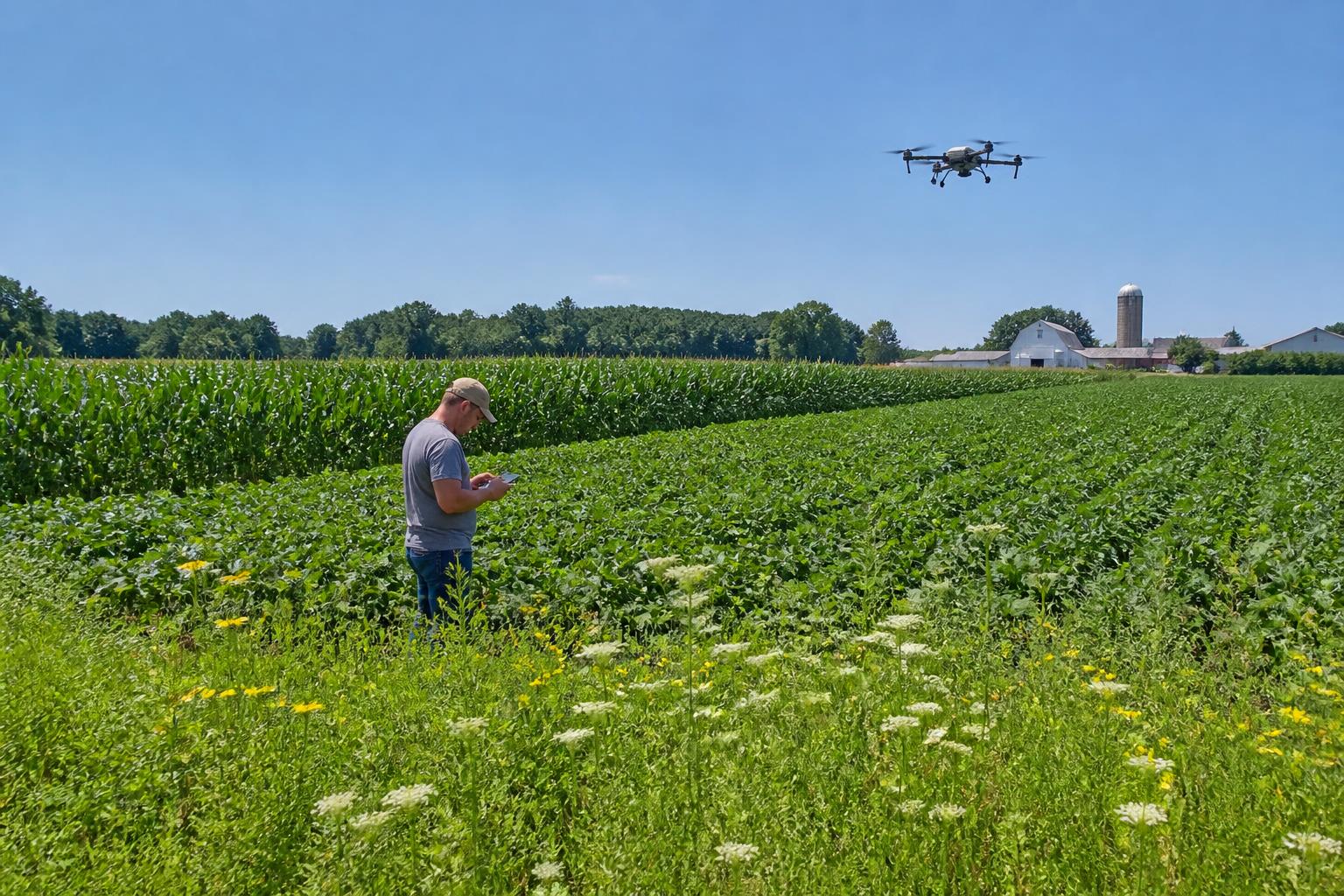
In a major technological shift for New England agriculture, a new Connecticut law allows farmers to use drones to plant crops and spray pesticides. This regulatory update offers a high-tech alternative to traditional tractor-drawn rigs or manual spraying, allowing growers to target inputs with high precision. Using drones can reduce soil compaction in wet fields and minimize chemical runoff, providing a vital tool for timely crop protection during busy summer weeks.
While drone technology provides a modern approach to application, chemical regulations remain highly scrutinized. Recently enacted insecticide restrictions in Connecticut will change how residential lawns are treated, but they notably do not alter how commercial farmers do business. This distinction allows agricultural operations to maintain their current pest control programs while lawn care companies adjust to the new environmental standards.
Managing Weather Hazards and Seeking Policy Relief
Connecticut growers are no strangers to erratic weather, having dealt with everything from late-spring frosts to severe summer floodwaters. These climate challenges have forced many farms to invest in protective infrastructure, such as frost fans, to mitigate temperature extremes. However, physical infrastructure is only part of the equation; financial protection remains a major concern for small-scale producers. Understanding crop protection policy gaps is vital for local growers navigating these shifts, as many look for ways to bridge the gap between traditional insurance and real-world recovery costs.
The push for stronger safety nets has even taken local farmers beyond state lines. Recently, a Connecticut farmer made headlines by driving a tractor all the way to Washington, D.C., to advocate for increased federal and state support for small-scale agricultural operations. This highlight on financial relief underscores the vulnerability of diversified Northeast farms to sudden, weather-induced crop failures.
Record Year for Farmland Preservation
Amid ongoing development pressures throughout the state, Connecticut has achieved a record year in preserving agricultural land. Securing these tracts is critical, as the state holds some of the highest-quality agricultural soils in the United States. Protecting these fields from commercial development ensures that future generations of Connecticut farmers have access to the fertile ground necessary to sustain local food systems and agribusinesses.
Key Takeaways for Connecticut Growers
- Drone Integration: The new state law permits aerial drone seeding and spraying, boosting precision and efficiency.
- Regulatory Shield: New insecticide restrictions target residential turf rather than commercial agricultural practices.
- Soil Preservation: A record-setting year for land preservation secures top-tier soils against development pressures.
- Advocacy Continues: Local farmers continue to push for robust state and federal safety nets to counter weather-related crop losses.
What it means for the market
For agricultural retailers, drone operators, and local producers, these developments signal a more tech-forward and resilient future for Connecticut's $4 billion farming economy. The legalization of drone spraying opens up new service opportunities for local agtech providers, while the preservation of premium soils secures long-term production capacity. While weather volatility remains an active threat, the combination of advanced technology, stable pesticide rules, and active policy advocacy will help local growers protect both their crops and their bottom lines this summer.
Comments
No comments yet - be the first to share your take.