
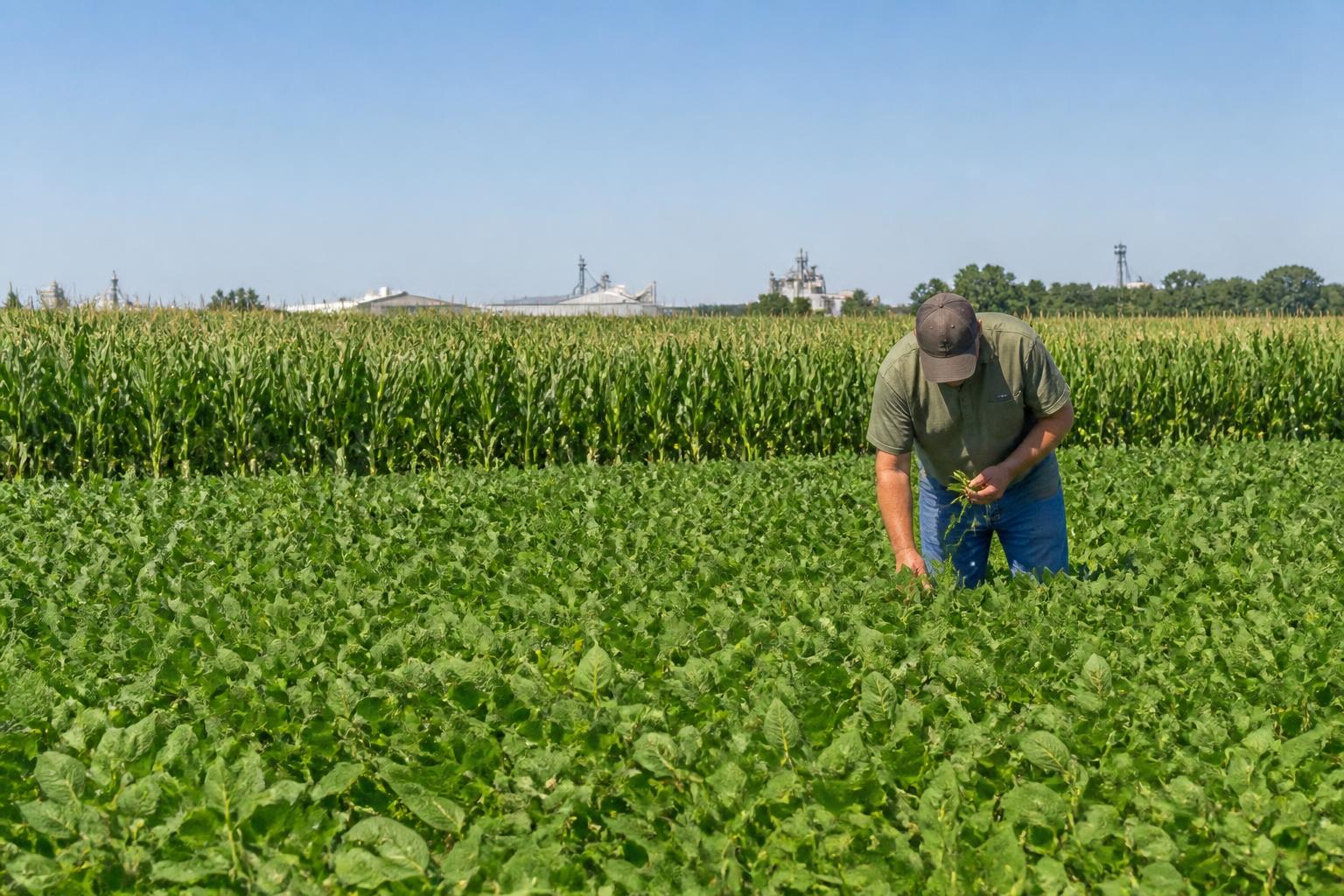
Local Sweet Corn Kickoff and Regional Grains
Connecticut sweet corn growers are celebrating as the season's first crop becomes ready for weekend markets. The Connecticut River Valley and other fertile pockets across the state serve as key areas for this high-value summer crop. In addition to sweet corn, silage corn and cover crops play an essential role in supporting local dairy systems and maintaining agricultural land use.
Because Connecticut relies heavily on imported grain for animal feed, understanding local logistics and broader market indicators is crucial. For detailed context on how local producers are navigating these seasonal demands, see the Connecticut summer grain and feed outlook.
Innovation in Soil Management and Crop Technology
To adapt to changing climate realities and nutrient runoff concerns, Connecticut researchers are emphasizing soil health and precision agriculture. At the University of Connecticut's College of Agriculture, Health and Natural Resources (CAHNR), researchers like Haiying Tao are investigating sustainable soil management techniques to help farmers make the most of their crop yields.
By leveraging new technologies, such as advanced soil sensors, drone monitoring, and targeted nutrient application, local growers can optimize fertilizer use and protect sensitive local watersheds. These practices not only conserve soil resources but also help offset high input costs during volatile market cycles.
What it means for the market
For Connecticut's agricultural sector, the combination of strong local demand for sweet corn and volatile national commodity prices highlights the need for precise risk management. Higher soybean and corn futures can quickly translate to elevated feed costs for the state's dairy farms and livestock operations. Producers should leverage sustainable management practices to maximize homegrown forage quality while keeping close track of daily market shifts to time their feed purchases.
Comments
No comments yet - be the first to share your take.