
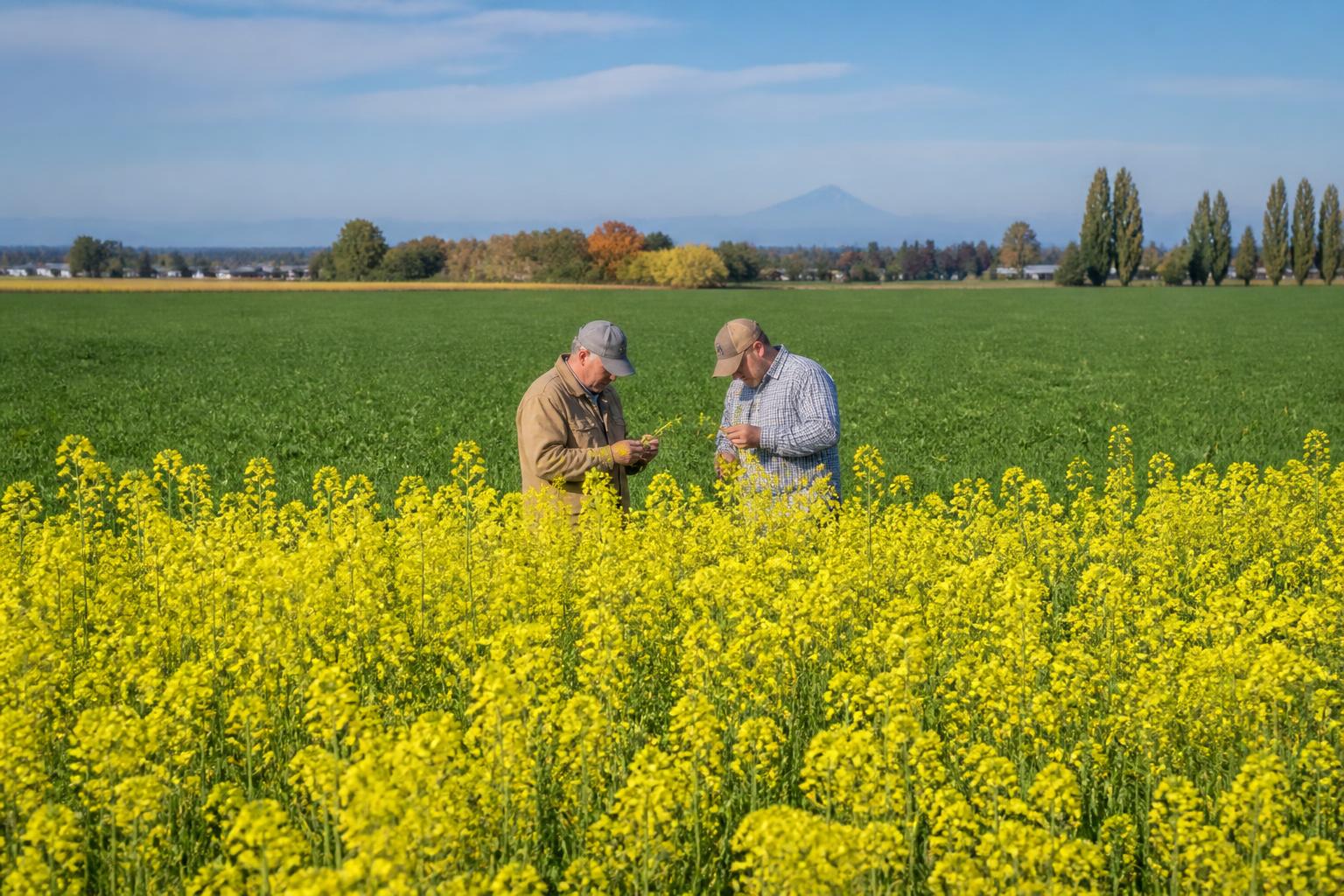
As the fall harvest progresses across Oregon, producers are finding that favorable weather conditions have significantly bolstered both yield volumes and overall crop quality. Across key grain-producing regions, farmers are reporting strong results, yet the current market environment continues to present a disconnect between these productive outcomes and stable pricing. For many operators, the focus has shifted from maximizing output to careful inventory management as they navigate an industry landscape that remains sensitive to regional logistics and supply chain fluctuations.
Quality Gains Amid Price Uncertainty
While the combination of timely rain and improved irrigation management has yielded high-quality harvests, local elevator reports suggest that these successes are not being fully reflected in producer margins. Market signals remain cautious, as the broader agricultural sector monitors fluctuating demand and input cost volatility. Many growers are now re-evaluating their storage strategies, weighing the costs of holding grain against the current market price incentives. For those looking for local support in selling grain in Oregon, establishing clear communication with grain handlers regarding capacity and scheduling is becoming increasingly vital during this peak movement window.
Logistics and Field Management
Beyond the grain pile, attention is turning toward protecting farmland assets and ensuring compliance with emerging regulatory trends. With the harvest season in full swing, managing field-level risks remains a top priority. Growers are increasingly looking at precision technology to optimize water usage and input management, which serves as both a defensive measure against environmental pressures and a way to maintain profitability in a tight-margin year. As highlighted in recent strategies for the harvest season, proactive planning regarding land stewardship is crucial for long-term viability in the Pacific Northwest.
What it means for the market
The current market environment in Oregon indicates that while physical output is strong, operational resilience is the true differentiator for success this fall. Producers should expect continued pressure on margins, necessitating a disciplined approach to grain sales and logistical planning. Balancing high-quality supply with cautious market outlooks will be the theme for the remainder of the quarter as the state's agriculture industry balances productivity with broader economic realities.
Comments
No comments yet - be the first to share your take.