
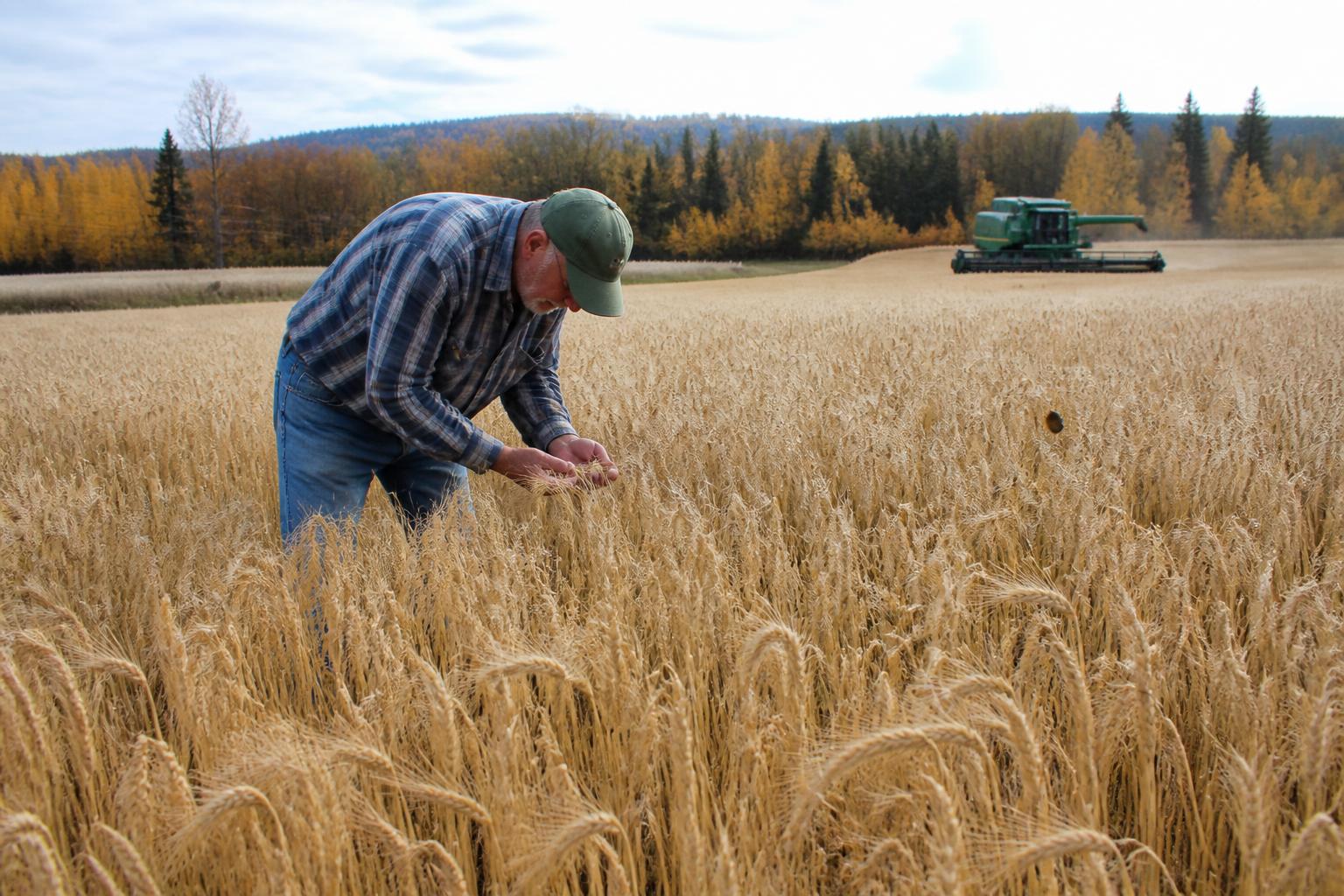
As the fall harvest season progresses across Oregon, the focus for many producers has shifted from mid-season cultivation to final yields and land stewardship. Balancing the immediate demands of harvest with the long-term goal of land protection remains a priority for farm and ranch families across the state. Whether in the expansive fields of the Willamette Valley or the high-desert regions, managing operational footprints is essential during this busy time of year.
Land conservation efforts are increasingly intertwined with agricultural productivity. Initiatives led by organizations such as the Oregon Agricultural Trust continue to gain momentum, providing growers with pathways to protect their properties from development and ensure the land remains in production for future generations. This focus on permanence helps producers navigate the pressures of a shifting agricultural landscape, often providing a stronger financial and operational base to invest in site-specific infrastructure like tunnel systems or improved irrigation management.
Adapting Operations for Long-Term Resiliency
Resource management serves as the backbone of modern Oregon field protection strategies. As water access becomes less predictable, many farmers are shifting their focus toward more efficient delivery methods and crop varieties that can better withstand variable conditions. These changes do not happen in isolation; they are supported by a wealth of local research and extension efforts that help translate academic breakthroughs into practical, field-ready solutions for Oregon growers.
Furthermore, the integration of new technology is helping producers optimize their inputs. As detailed in our recent look at precision ag and input management, the ability to fine-tune nutrient and water application not only helps the bottom line but also serves as a form of stewardship, minimizing runoff and preserving soil health. This intersection of technology and conservation is vital for maintaining the economic viability of Oregon’s diverse agricultural sectors.
Building Operational Stability
In addition to physical land protection, producers are increasingly looking at legal and business structures to safeguard their operations. Whether it is engaging in formal farm planning or participating in agricultural land trusts, the trend is toward formalizing long-term stability. For operations looking to navigate these complexities, understanding the broader operational landscape of fall production is the first step toward effective risk mitigation.
What it means for the market
The emphasis on land protection and operational efficiency is shifting the market toward long-term value over short-term gain. For suppliers, lenders, and input providers, this means that demand is increasingly driven by solutions that offer sustainable yield improvements and land-security benefits. As Oregon producers prioritize the preservation of their productive acreage, businesses that align their offerings with these stewardship goals are better positioned to form lasting partnerships in the agricultural community.
Comments
No comments yet - be the first to share your take.