
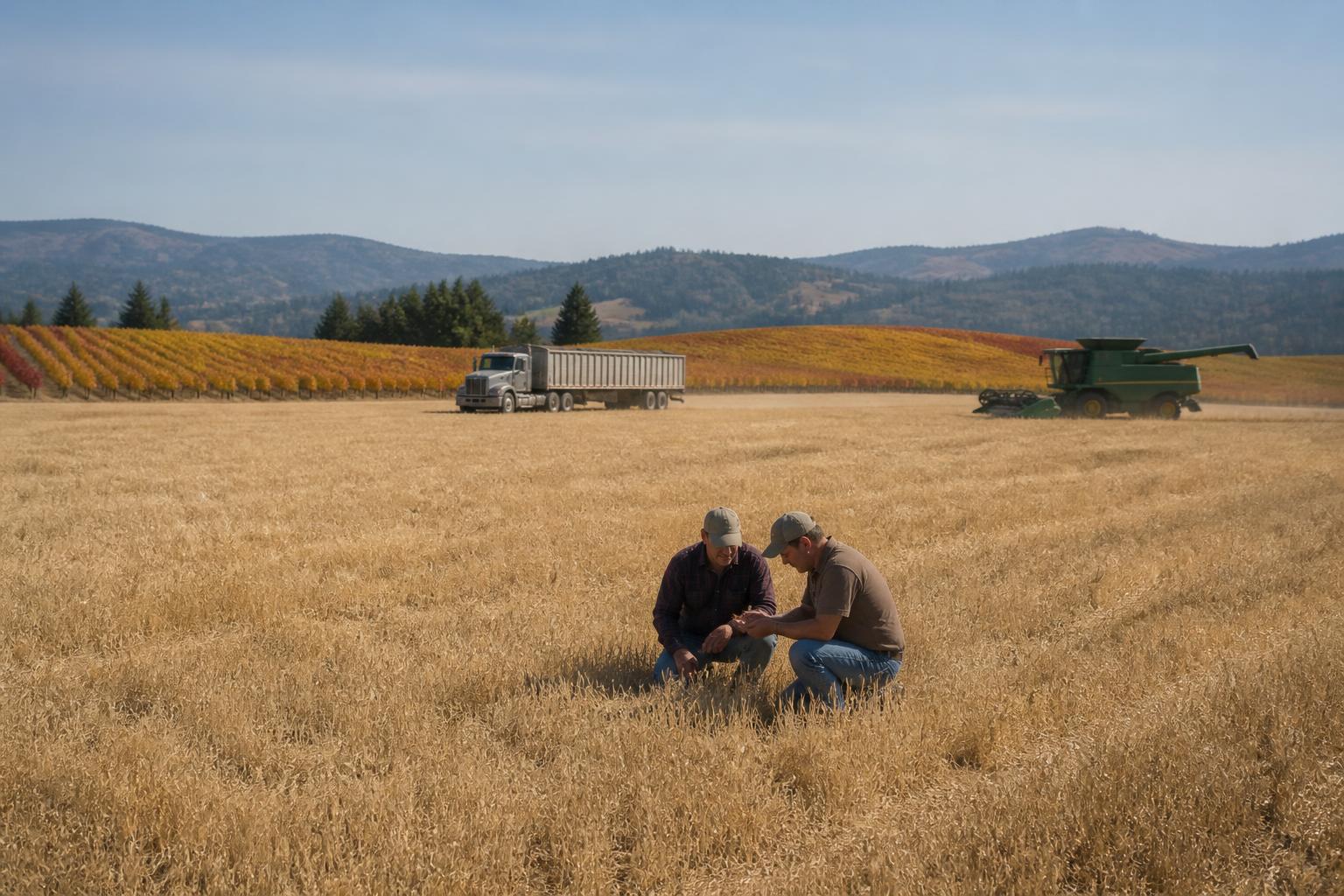
As Oregon enters the fall harvest, the agricultural sector is navigating a challenging operational environment. While farmers across the state prepare for seasonal activities, regional logistics remain under pressure. Persistent delays and budget overruns on key state-funded rail projects have created potential bottlenecks for grain and commodity movement, forcing many operators to reconsider their transport strategies during this critical window.
For those managing the flow of inputs and finished goods, the current landscape requires heightened awareness. Global geopolitical tensions continue to exert pressure on the costs of fertilizers and fuel, which may weigh heavily on farm-gate margins. For a deeper look at managing these operational hurdles, see our recent analysis on navigating Oregon’s grain and input flow.
Infrastructure and Regulatory Pressures
Beyond logistics, the regulatory environment remains a focal point for Oregon agribusinesses. The nursery industry and broader crop producers are adapting to a new norm characterized by shifting compliance requirements and evolving pest management strategies. As growers continue to navigate these complexities, keeping pace with field protection standards is essential to maintaining market access. Further context on these regulatory shifts can be found in our report on field protection and compliance updates.
Strategic Planning in a Volatile Market
In addition to physical infrastructure, the financial health of the supply chain remains top-of-mind. As some processing and storage entities undergo consolidation—notably with recent acquisitions in the processing sector—producers are encouraged to maintain lean operational models. For those seeking to better balance these market realities, understanding current regional trends is vital. Our team has previously explored these themes in detail regarding market stability and field protection strategies.
Key Takeaways
- Rail infrastructure projects remain behind schedule, potentially limiting transit options for grain shippers.
- Rising fuel and fertilizer costs, driven by international volatility, necessitate careful expense management.
- Ongoing industry consolidation in processing facilities may alter traditional storage and handling workflows.
What it means for the market
The current mix of stagnant infrastructure projects and external price pressures suggests that Oregon farmers and handlers should prioritize early-season logistics planning. By proactively securing transport and managing input procurement, agribusinesses may mitigate the risks associated with potential shipping delays and market volatility as the fall season progresses.
Comments
No comments yet - be the first to share your take.