
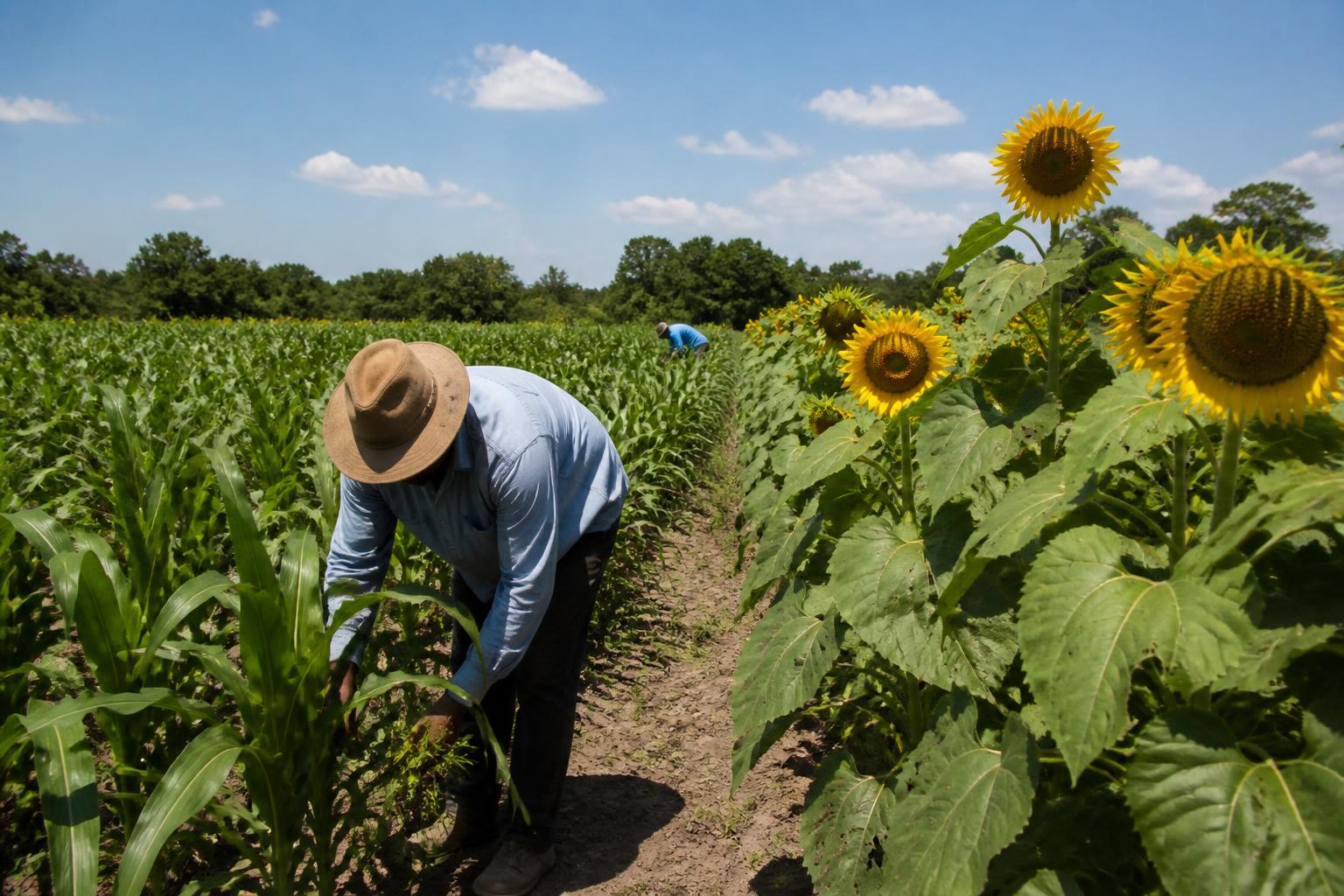
As the peak of the summer season settles over South Carolina, the state's agricultural sector is navigating a shifting landscape in freight and regional logistics. For producers and grain handlers operating across the Palmetto State, from the Piedmont regions down to the coastal plains, ensuring efficient movement of goods remains a primary focus amid broader supply chain trends.
Recent expansions in local logistics footprints, such as the new Greenville office for national carrier Scotlynn, highlight the ongoing efforts to bolster regional service capacity. For farmers and agribusiness owners, these developments may offer new opportunities to optimize ag logistics and market flows, particularly as firms look to streamline the connection between field outputs and distribution hubs.
Adapting to Supply Chain Fluidity
The agricultural economy in South Carolina often contends with unique regional variables, including moisture levels and infrastructure utilization across major corridors. Producers are increasingly focused on maintaining operational efficiency, especially during periods when seasonal weather patterns can complicate transport timelines. Whether managing bulk grain shipments or coordinating specialized freight, the integration of more robust logistics support is becoming a common strategy for mitigating potential bottlenecks.
Strategic Focus for Agribusiness
As state-level discussions continue regarding economic growth and industry support, the agricultural community remains attentive to how policy and private investment intersect. With recent efforts to refine local supply chains, stakeholders are often looking for ways to enhance their distribution and perishable flow capabilities. Furthermore, for those evaluating the season ahead, keeping a close eye on grain production and logistics shifts will be essential for making informed decisions on storage and delivery timing.
Key Considerations
- Monitor regional freight capacity as new service hubs become established.
- Assess potential transport delays during peak seasonal harvest activity.
- Evaluate storage and distribution flexibility to account for regional moisture and weather impacts.
What it means for the market
For South Carolina's agricultural participants, the current environment emphasizes adaptability. By leveraging improved logistical infrastructure and staying attuned to market shifts, producers and distributors can better position themselves to manage the complexities of the mid-summer season, ensuring that both commodity movement and supply chain reliability remain steady.
Comments
No comments yet - be the first to share your take.