
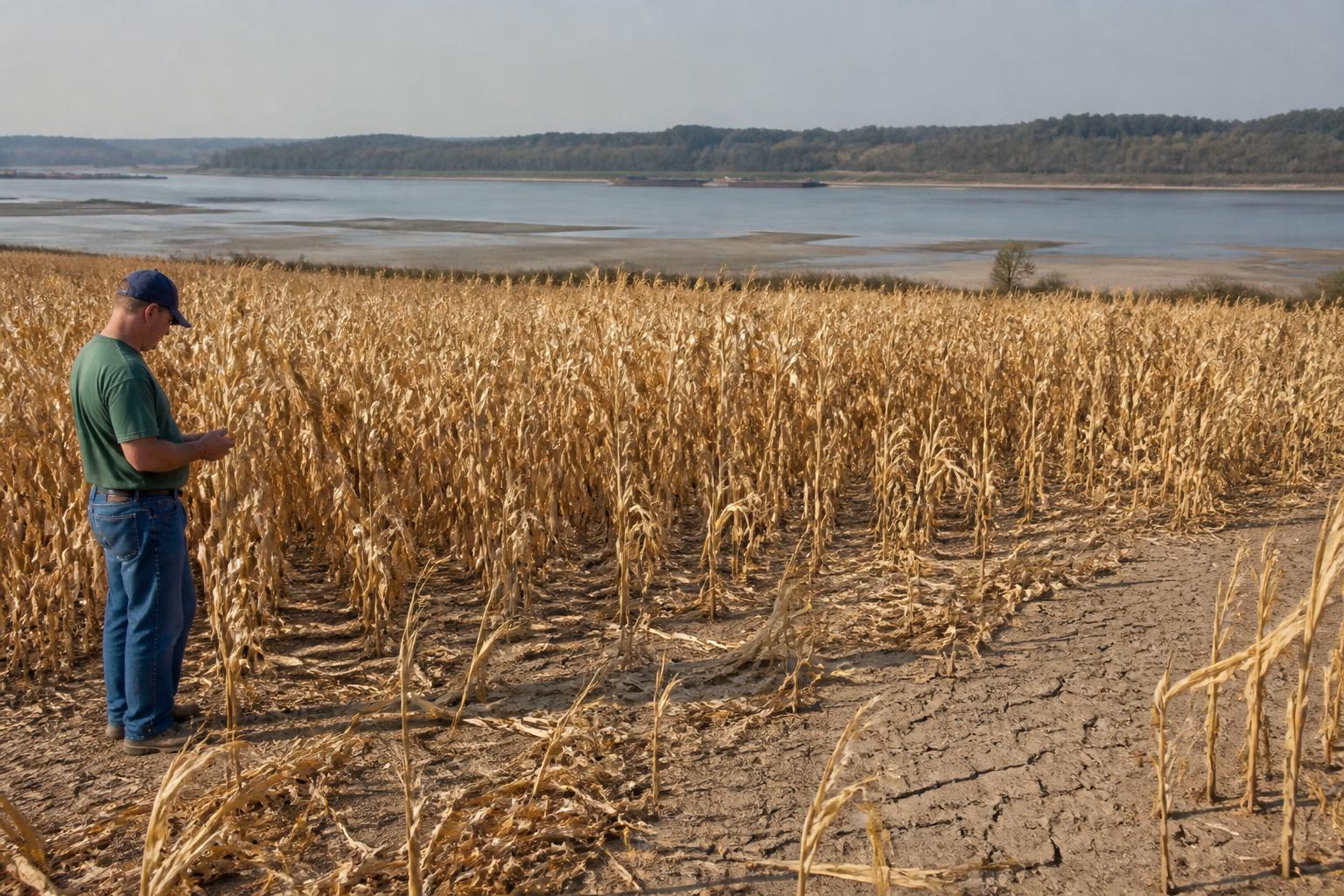
As the fall harvest momentum builds across Mississippi, farmers and grain handlers are increasingly turning their attention to the logistical hurdles posed by the Mississippi River. Recent environmental conditions have once again spotlighted the vulnerability of our inland waterway system, which remains a critical artery for moving bulk agricultural commodities toward Gulf Coast export terminals.
While many producers are focused on the immediate task of field operations, the strained capacity of river logistics due to historically low water levels can create ripple effects throughout the local market. For agribusinesses and grain elevators, these bottlenecks often mean longer turnaround times for barges and increased pressure on alternative transport modes, such as rail or trucking, to clear inventory ahead of a potential capacity crunch.
Navigating Potential Shipping Disruptions
The current situation serves as a recurring reminder of the importance of storage management. With water levels fluctuating, the ability to store grain on-farm or utilize local elevator space becomes a significant competitive advantage. When river traffic slows, basis levels can weaken at locations heavily reliant on barge movement, as the cost and difficulty of moving grain to export markets increase.
Logistics planners are advised to maintain close communication with their barge operators and regional freight coordinators. In regions near the major river ports, it may be prudent to diversify shipping strategies now, rather than waiting for peak harvest volumes to hit the system simultaneously with potential drought-related delays.
Managing On-Farm Efficiency
Beyond the river banks, individual operations are continuing to emphasize operational efficiency. Whether it is optimizing irrigation water management or testing new input technologies, Mississippi producers are finding ways to maintain yields despite variable weather patterns. As the season progresses, focusing on precision and timing remains the best defense against both climate-driven and systemic logistical challenges.
What it means for the market
The combination of harvest-season pressure and persistent low-water levels on the Mississippi River creates a high-stakes environment for grain pricing and movement. Producers should expect continued volatility in basis levels and should prioritize securing reliable transport options early. Monitoring the situation at critical locks and dams will be essential for those looking to manage risk during the peak of the fall movement.
Comments
No comments yet - be the first to share your take.