
Navigating Market Pressures in Texas Grain
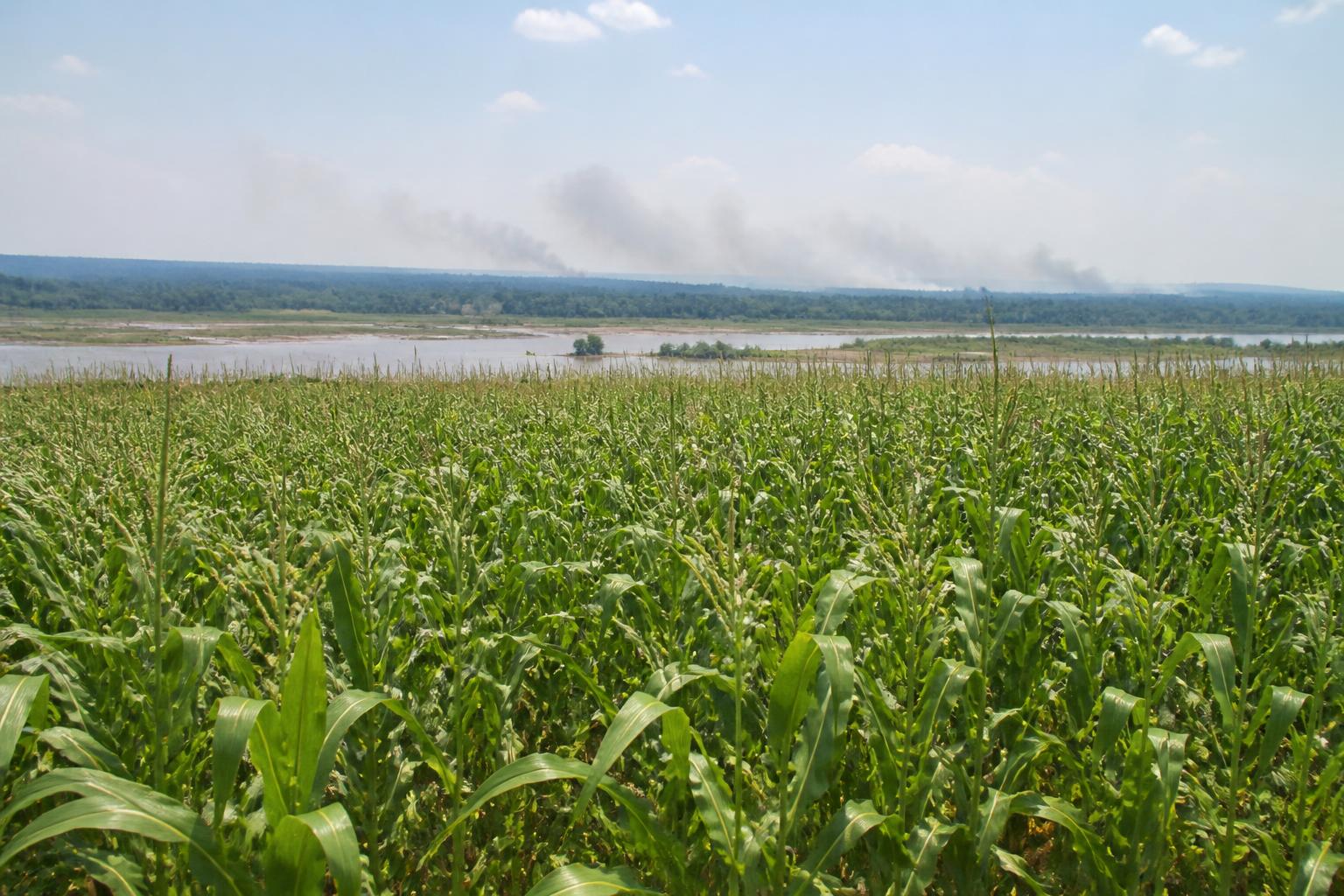
As the summer season progresses, Texas grain growers are balancing the immediate demands of field management with the broader economic realities of the marketplace. While recent weather events, including the receding of floodwaters in various regions, have shifted the focus toward moisture levels and temperature impact on crop health, market participants are increasingly looking at the bottom line. For many operations, the current priority is recognizing that corn prices often exert a more significant influence on net returns than raw yield numbers alone.
The Trade Policy Landscape
Looking toward the horizon, conversations surrounding international trade are taking center stage for the Texas agricultural sector. Industry groups are actively engaging with discussions regarding the upcoming review of the USMCA. Ensuring that agricultural interests are well-represented in these trade negotiations is vital for maintaining consistent export channels and competitive market access for grain products. Producers who are looking to sell grain in Texas are monitoring these policy developments closely, as changes to trade agreements can significantly impact localized demand and long-term pricing structures.
Logistics and Market Stability
The state's infrastructure and supply chain reliability remain critical points of discussion for elevator operators and local agribusinesses. Recent developments regarding labor activities have caused concern among those managing grain flow, highlighting the vulnerability of transportation networks to sudden disruptions. Although recent pressures have eased, the need for robust, reliable logistics remains a consistent theme for those managing harvest distribution across the state's rail and highway corridors.
What it means for the market
The convergence of mid-summer environmental challenges and shifting trade policy creates a complex environment for Texas farmers. With price volatility remaining a primary concern, focus should stay on cost management and evaluating storage versus immediate sale options. As we move further into the season, maintaining close communication with local grain elevators and keeping an eye on legislative updates will be essential for navigating the remainder of the year.
Comments
No comments yet - be the first to share your take.