
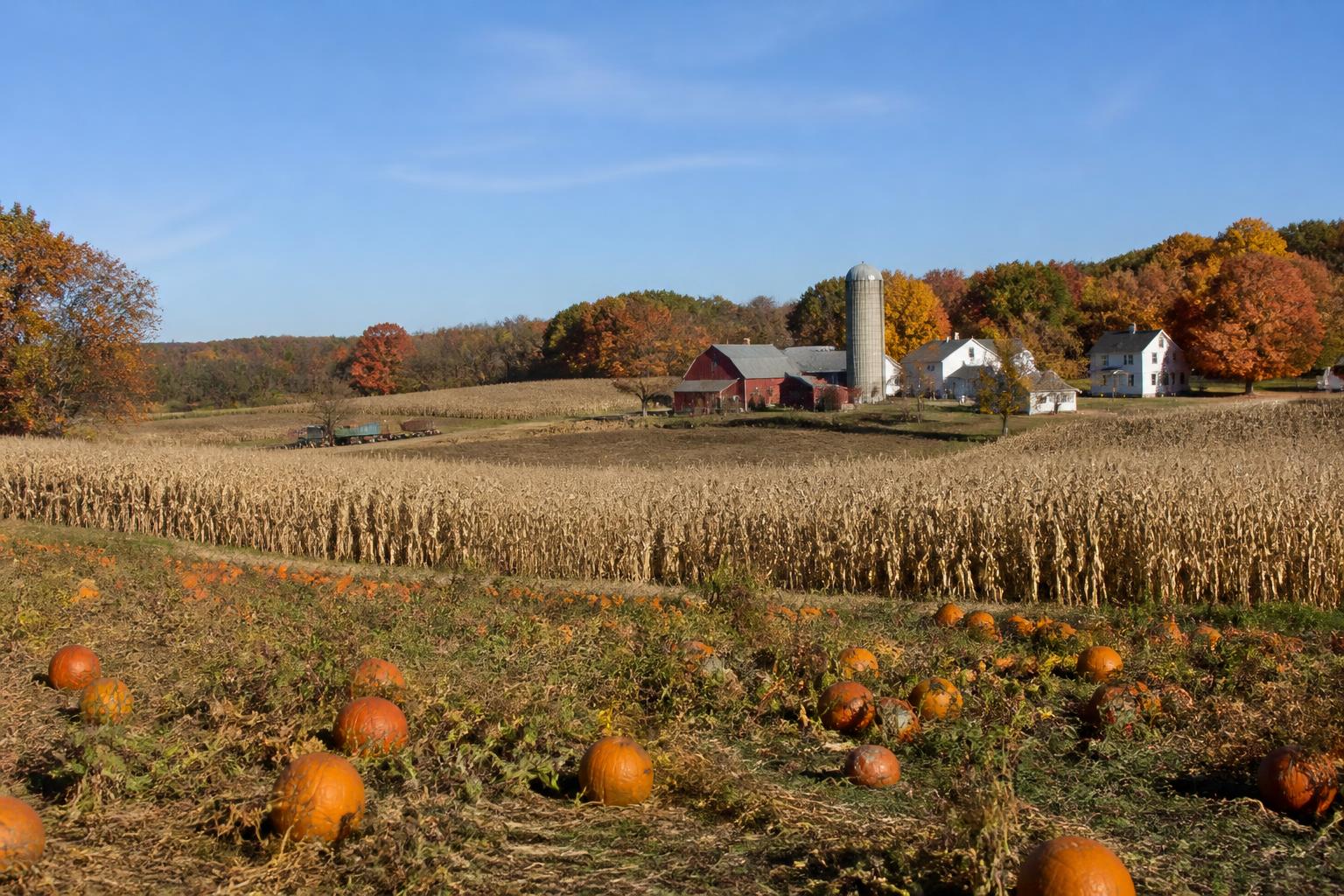
The agricultural landscape across Connecticut is currently defined by the dual pressures of late-season harvest logistics and a volatile national grain market. As producers manage end-of-year crop handling, the broader commodities sector has seen notable price fluctuations for corn and soybeans, reflecting a complex environment for local elevator operations and supply chain planning. Staying ahead of these market shifts is vital for farms looking to finalize their annual performance goals.
Managing Commodity Price Flux
Recent market reporting shows that price discovery remains a challenge, with grain futures experiencing both sharp rallies and subsequent pullbacks throughout October. For Connecticut producers, these movements highlight the importance of timely grain movement and informed storage decisions. While regional output in New England may differ from the high-volume zones of the Midwest, local handlers often face similar pressure to optimize their logistics chains when national benchmarks move rapidly.
Operations and Support for Connecticut Farmers
Beyond the grain silos, the focus remains on farm sustainability and operational resilience. Many operations are now looking at long-term soil management and crop rotation strategies to stabilize productivity. Furthermore, with significant disaster relief funding now available, farmers are encouraged to evaluate their eligibility for support programs that can assist in maintaining operational health despite seasonal variability. Understanding how to navigate available buyer channels remains a cornerstone of the regional strategy for those seeking to maximize returns in a tightening economic environment.
What it means for the market
The current mix of price volatility and accessible financial support suggests that Connecticut agribusinesses should maintain a conservative approach to inventory management. By focusing on efficient logistical throughput and leveraging available government aid, producers can better insulate their bottom lines against the broader downward pressures often observed in late-fall grain trading sessions.
Comments
No comments yet - be the first to share your take.