
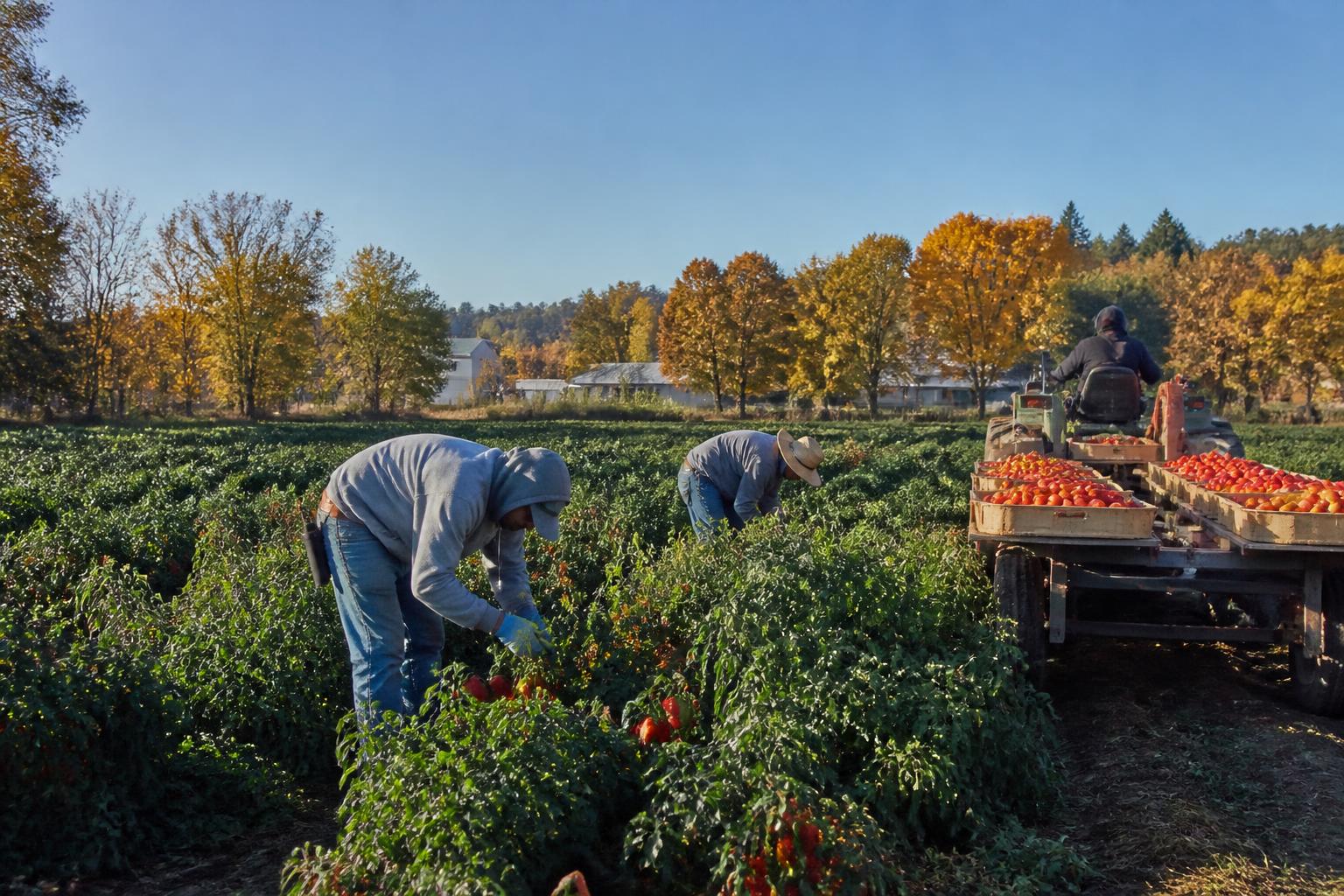
As California moves deeper into the fall season, producers and agribusinesses are balancing the momentum of the current harvest with shifting logistical realities. Throughout the Central Valley and other key agricultural corridors, the movement of grain and bulk food commodities remains a critical focus, especially as transportation networks adjust to new corporate consolidations within the bulk freight sector.
Operational efficiency is currently top-of-mind for many operators. Whether managing grain storage, coordinating local trucking, or planning post-harvest field treatments, the pressure to maintain margins in an environment characterized by fluctuating producer price indices continues to define the season. Growers are increasingly looking at navigating operational shifts and input stability to buffer against unpredictable input costs and regional infrastructure bottlenecks.
Refining Nutrient and Field Management
In addition to logistical throughput, technical field management is evolving. With the latest guidance from UC Agriculture and Natural Resources, many producers are revisiting their nutrient management protocols to ensure that input applications are both environmentally compliant and economically viable. As fields clear following the harvest, these strategic decisions regarding soil health and crop protection become foundational for the upcoming cycle.
For those managing diverse acreage, the integration of new research into daily practice is essential. Staying ahead of regulatory expectations and regional health threats remains a priority, particularly as growers across various counties implement more rigorous strategies to balance input security and regulatory compliance during these peak fall months.
Infrastructure and Market Connectivity
Infrastructure remains a persistent variable in the California grain trade. Changes in transport capacity, including the recent acquisition of bulk food logistics providers, highlight a tightening of the available carrier market. For grain handlers and elevators, these changes in the transportation landscape may necessitate a more proactive approach to securing freight capacity well in advance of regional shipping surges. Consistent monitoring of grain market trends and pricing signals is helping local participants stay competitive despite the heightened cost of logistics and labor.
What it means for the market
The convergence of a mid-fall harvest, evolving nutrient guidelines, and shifts in the regional bulk transport sector suggests a period of transition. Producers and handlers who prioritize clear communication with logistics partners and leverage current data on input efficiency are better positioned to mitigate the risks of high operational costs and infrastructure constraints. While the broader economic landscape shows persistent price pressures, disciplined field management and agile logistics planning remain the most effective tools for California agribusinesses heading into the end of the year.
Comments
No comments yet - be the first to share your take.