
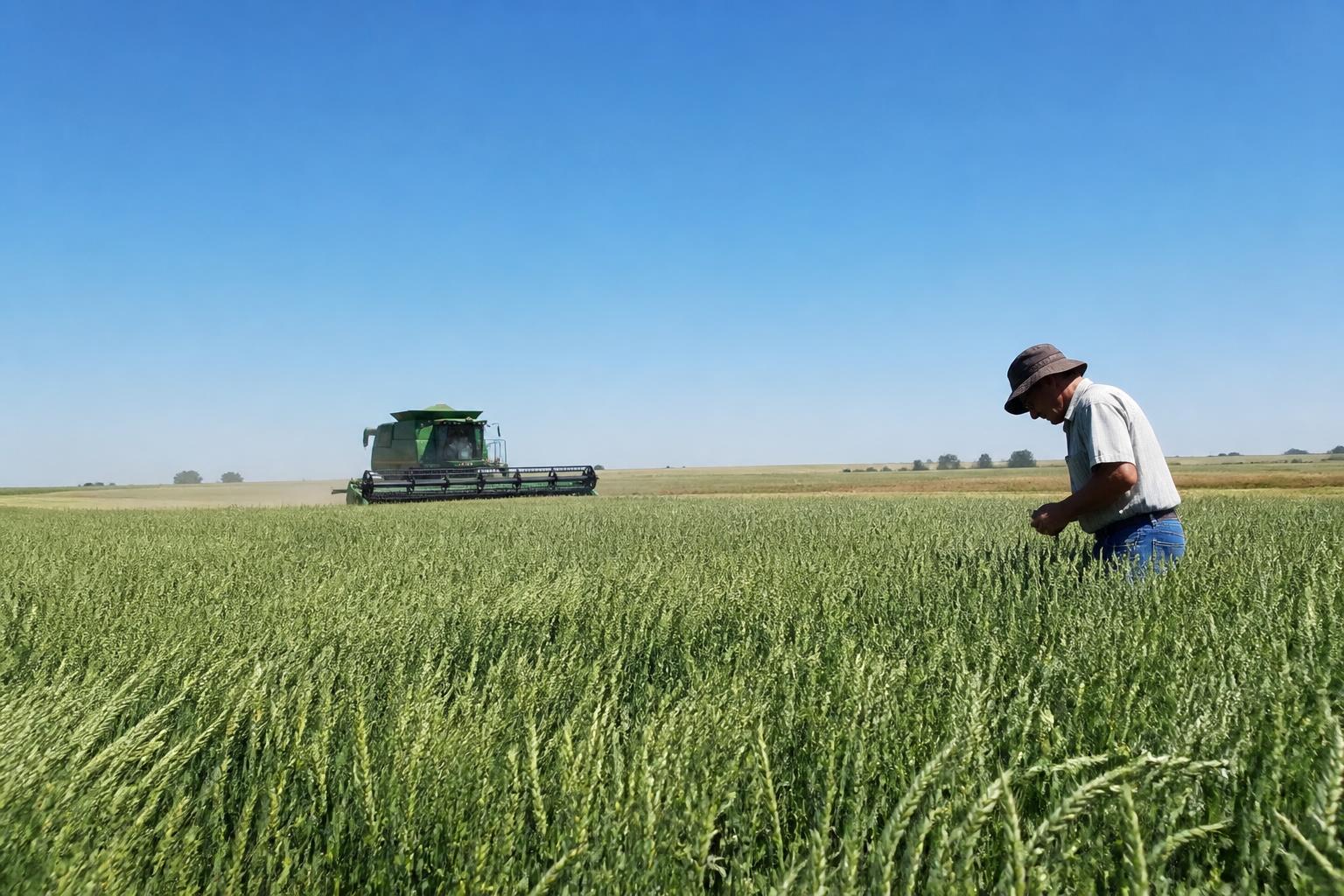
Mid-summer in Colorado brings a distinct rhythm to the fields, as farmers manage the intersection of active crop development and the logistical demands of a busy agricultural calendar. For those navigating the grain sector, this period is often defined by monitoring moisture levels and evaluating the health of winter wheat, while simultaneously keeping an eye on the broader Colorado wheat harvest progression that typically shapes regional supply flows.
Operational efficiency remains a top priority during these warmer months. Whether moving product through major transit corridors or evaluating local storage capacity, many producers are finding it essential to stay informed about current market trends. Engaging with local grain buyers and market participants can provide necessary visibility into how shifting demand and transport constraints may influence near-term price realizations.
Resource Management and Regional Outlook
Beyond the immediate harvest, the agricultural community continues to contend with complex resource variables. Managing the legacy of land and water rights is an increasingly significant component of long-term planning for many high plains operators. As the season progresses, growers are often forced to weigh the immediate cost of irrigation against long-term sustainability, an issue that periodically fluctuates based on seasonal precipitation and regional water allocation policies.
Strategic Planning for the Season Ahead
With agriculture serving as a vital engine for the Colorado economy, contributing billions to the state GDP, producers are increasingly leaning into risk mitigation strategies. From reassessing crop insurance to examining the viability of specialty crops like hemp, many farms are diversifying their approach to remain competitive. Understanding the impact of volatility—whether from weather-related stressors or shifting trade dynamics—is essential for sustaining operations throughout the remainder of the growing season. For deeper insight, reviewing early-season market outlooks can help frame current conditions against past performance.
What it means for the market
The Colorado grain sector is entering a phase of tighter coordination between field logistics and market delivery. For producers and agribusinesses, the ability to pivot based on real-time crop assessment and regional transport availability will likely define profitability through the end of the summer season. Keeping a close watch on local infrastructure and regional buyer demand is the most reliable way to navigate the coming weeks effectively.
Comments
No comments yet - be the first to share your take.