
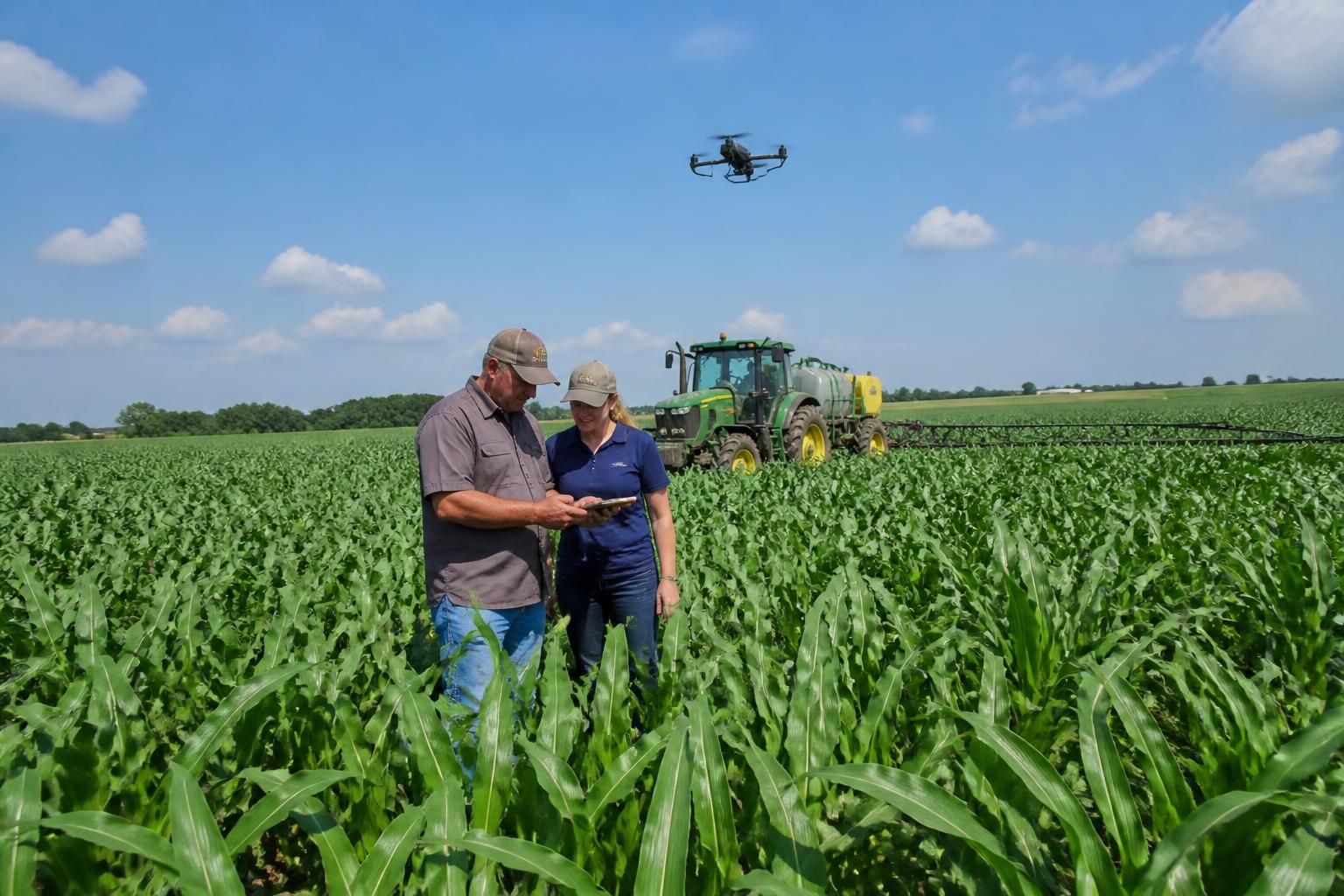
Adapting to Economic Pressures in the High Plains
As the summer season progresses, Wyoming producers continue to navigate a complex economic landscape. Many cattle operations remain focused on managing the impact of fluctuating oil prices, which directly influence fuel and fertilizer overheads. With the costs of essential inputs remaining a primary concern, finding ways to streamline financial oversight has become a priority for many independent growers and ranchers throughout the state.
For those looking to gain better control over their bottom lines, digital integration is becoming a common solution. Recent developments in agricultural technology, including new funding for farm accounting platforms, offer producers a way to track expenses and revenue more precisely. Utilizing these tools can help managers better anticipate market shifts and maintain long-term operational stability in an era of tightening margins.
Expanding Local Capacity and Education
Beyond technology, there is an ongoing push to diversify local production methods. In response to the challenges posed by Wyoming's harsh winters and geographical constraints, some producers and entrepreneurs are experimenting with controlled-environment agriculture. These vertical farming models aim to keep fresh produce localized, potentially reducing the reliance on long-distance logistics during off-season months.
Education and skill development are also receiving support to help the next generation of ag-professionals manage these shifting dynamics. With funded training programs available for crop production, there is a clear emphasis on keeping agricultural expertise within the state. Whether through technical training or the adoption of cloud-based accounting, the focus remains on equipping producers with the necessary skills to combat external market volatility.
What it means for the market
For the average Wyoming agribusiness, the current environment demands a dual approach: tightening internal financial management through modern tech while monitoring external logistics and fuel costs. Producers who prioritize data-driven decision-making and explore local supply chain resilience are better positioned to weather price fluctuations and maintain competitive operations throughout the remainder of the year.
Comments
No comments yet - be the first to share your take.