
As Nebraska moves deeper into the fall, agricultural producers across the state are focusing on balancing long-term viability against an evolving economic environment. While projections for farm income in 2026 suggest a potential improvement, the reality on the ground remains marked by record-high input costs that continue to squeeze margins, requiring a strategic approach to capital management.
Regional land markets are also showing signs of adjustment, with some reports noting continued declines in real estate values. This trend is particularly relevant as the industry looks toward upcoming policy discussions regarding property tax relief, which remains a central point of concern for landowners and operators alike. For those navigating these cycles, staying updated on market pressures and shifting logistics is essential for maintaining liquidity.
Technology and Innovation in the Field
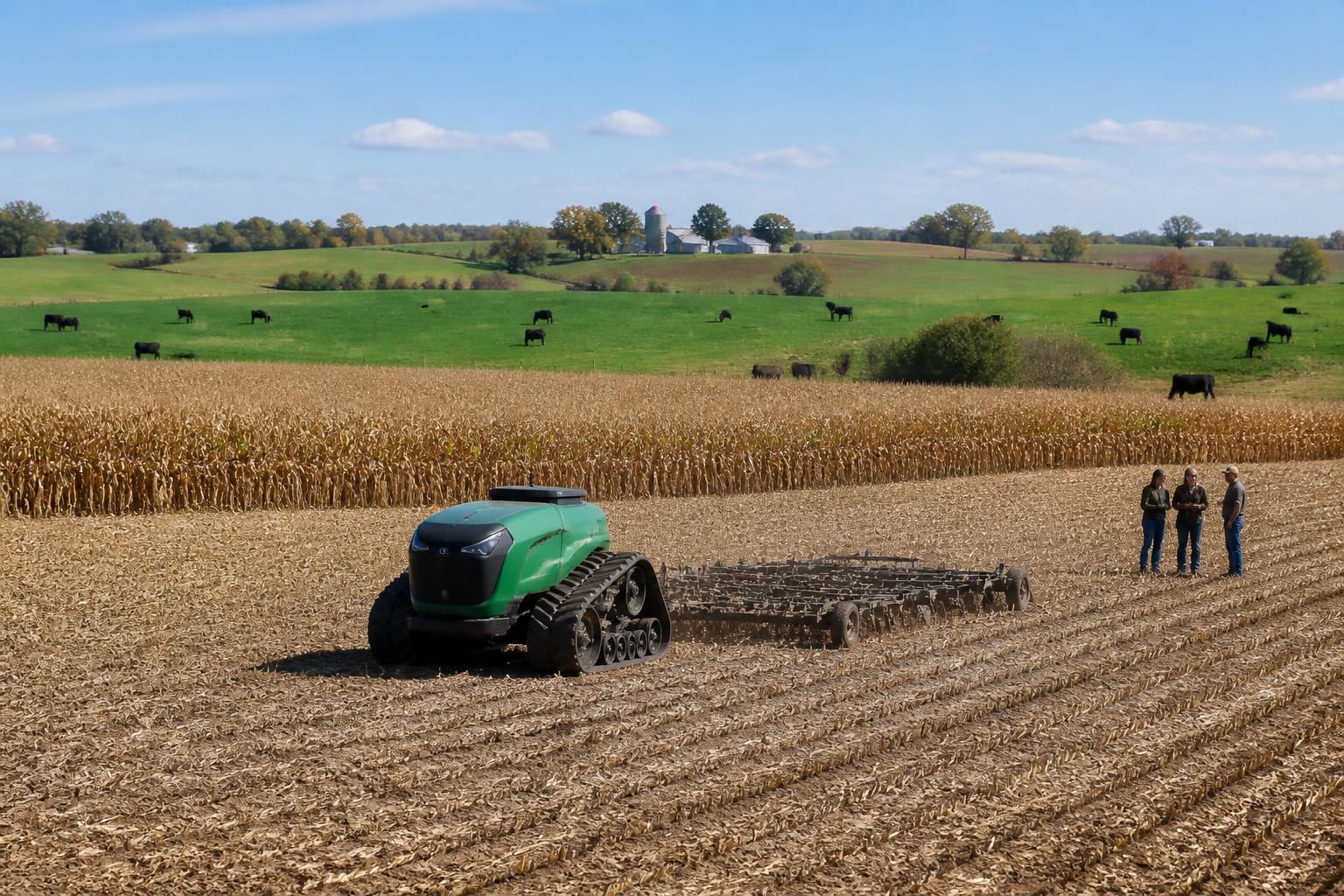
Despite the economic headwinds, innovation continues to gain traction across Nebraska's diverse agricultural landscape. From the Sandhills to the eastern row-crop regions, adoption of new tools is helping some operations streamline labor and optimize field efficiency. The recent debut of dedicated agricultural technology showcases at industry events highlights a growing interest in autonomous solutions that may assist in managing labor volatility.
These advancements come at a critical time as producers work to optimize yields while mitigating the impact of external variables. Understanding the broader context of harvest-season constraints can help operators better prepare for the logistical challenges that often accompany peak movement months.
Logistics and Market Resilience
Efficient movement remains a pillar of Nebraska’s agricultural health. Whether moving grain to local elevators or managing the record-high numbers of beef cattle currently in the system, logistical agility is paramount. As the state monitors ongoing infrastructure needs and transport capacity, producers are encouraged to maintain close contact with their supply chain partners to avoid bottlenecks.
As noted in recent grain logistics analysis, regional infrastructure readiness is key to ensuring that produce reaches its destination without excessive delays or added costs during the busy fall window.
What it means for the market
The path forward in 2026 requires a disciplined focus on cost control and proactive planning. While operational expenses remain high, the combination of technological integration and careful management of land and tax liabilities can offer a path toward more stable margins. Nebraska producers who prioritize supply chain transparency and leverage modern efficiency tools are better positioned to weather the current economic climate and maintain their competitive edge in the national market.
Comments
No comments yet - be the first to share your take.