
Mid-Michigan's agricultural sector is gaining attention as harvest planning takes center stage, highlighted by regional milestones in trade. The recent recognition of Freeland Bean and Grain Inc. as the 2026 Agriculture Exporter of the Year underscores the essential role local businesses play in connecting Michigan commodities to global markets. This achievement reflects the broader, ongoing efforts by producers to maintain competitive standing amidst shifting logistics and trade environments.
Input Markets and Operational Efficiency
For many growers and agribusinesses, the current climate is defined by balancing efficiency with the complexities of a changing supply landscape. Observations regarding the transition in chemical and seed provider consolidation continue to circulate among industry stakeholders, prompting producers to carefully weigh their input options for upcoming cycles. As highlighted in recent analysis on the Michigan crop input market, maintaining an agile approach to supply chain management is crucial, especially as firms look to integrate logistics solutions to improve delivery timelines.
Navigating Logistics and Regulatory Oversight
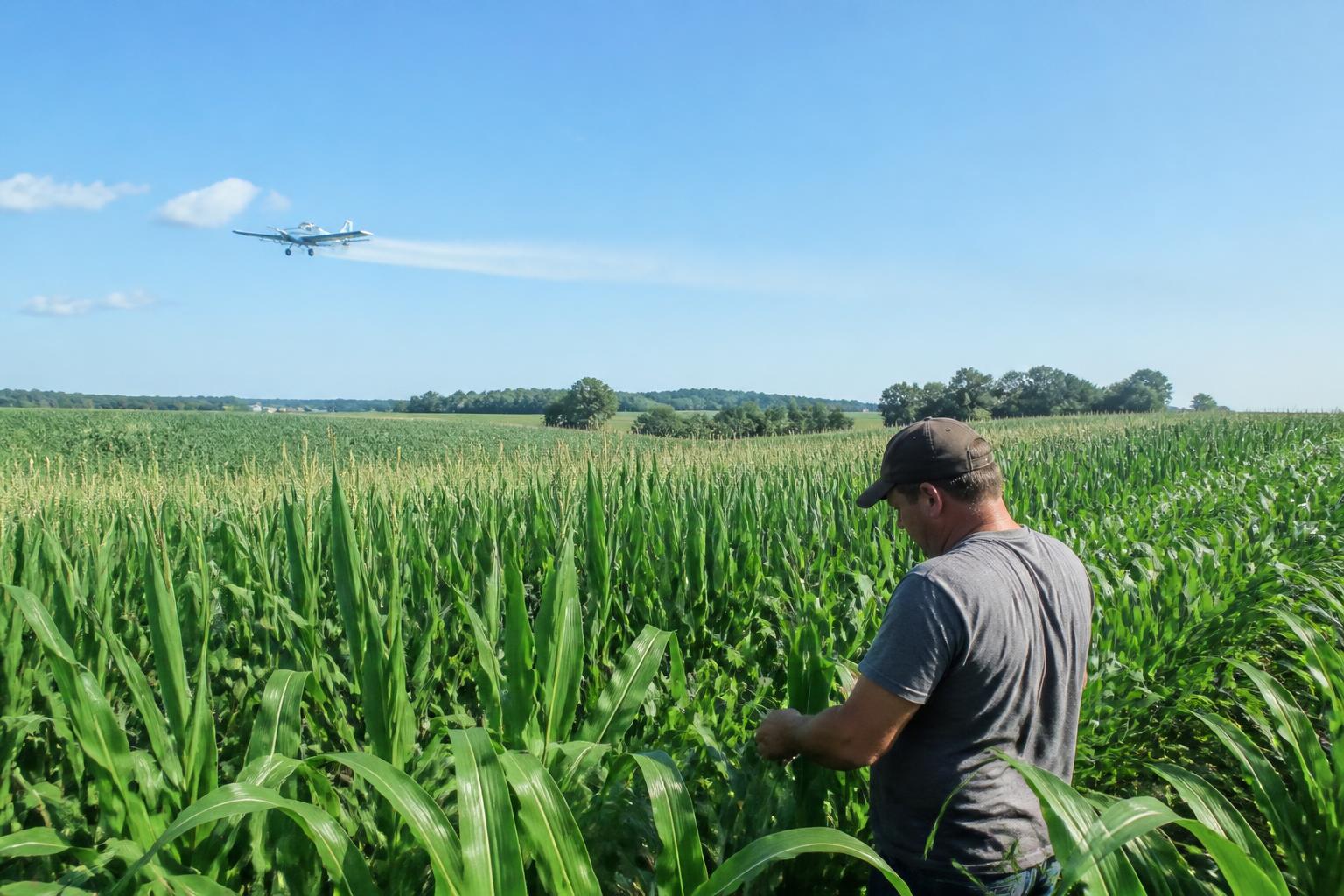
Operational safety and efficiency remain top of mind during this high-activity window. Regulatory bodies, including the Michigan Department of Agriculture and Rural Development, have been active in supporting safety initiatives, such as the oversight of aerial pesticide applications. Such programs are vital for maintaining the high standards expected in state-wide agricultural operations, particularly as farms coordinate with specialized logistics providers to handle seasonal transport demands effectively.
What it means for the market
Producers should keep a close watch on how regional export successes influence local grain pricing and demand. With varied yields reported across the state, the ability to leverage efficient storage and distribution channels, such as those optimized by award-winning local facilities, will be a key differentiator in the coming months. Staying informed about input cost trends and maintaining proactive communication with transporters will ensure operations remain resilient against potential supply chain disruptions as we transition into the harvest season.
Comments
No comments yet - be the first to share your take.