
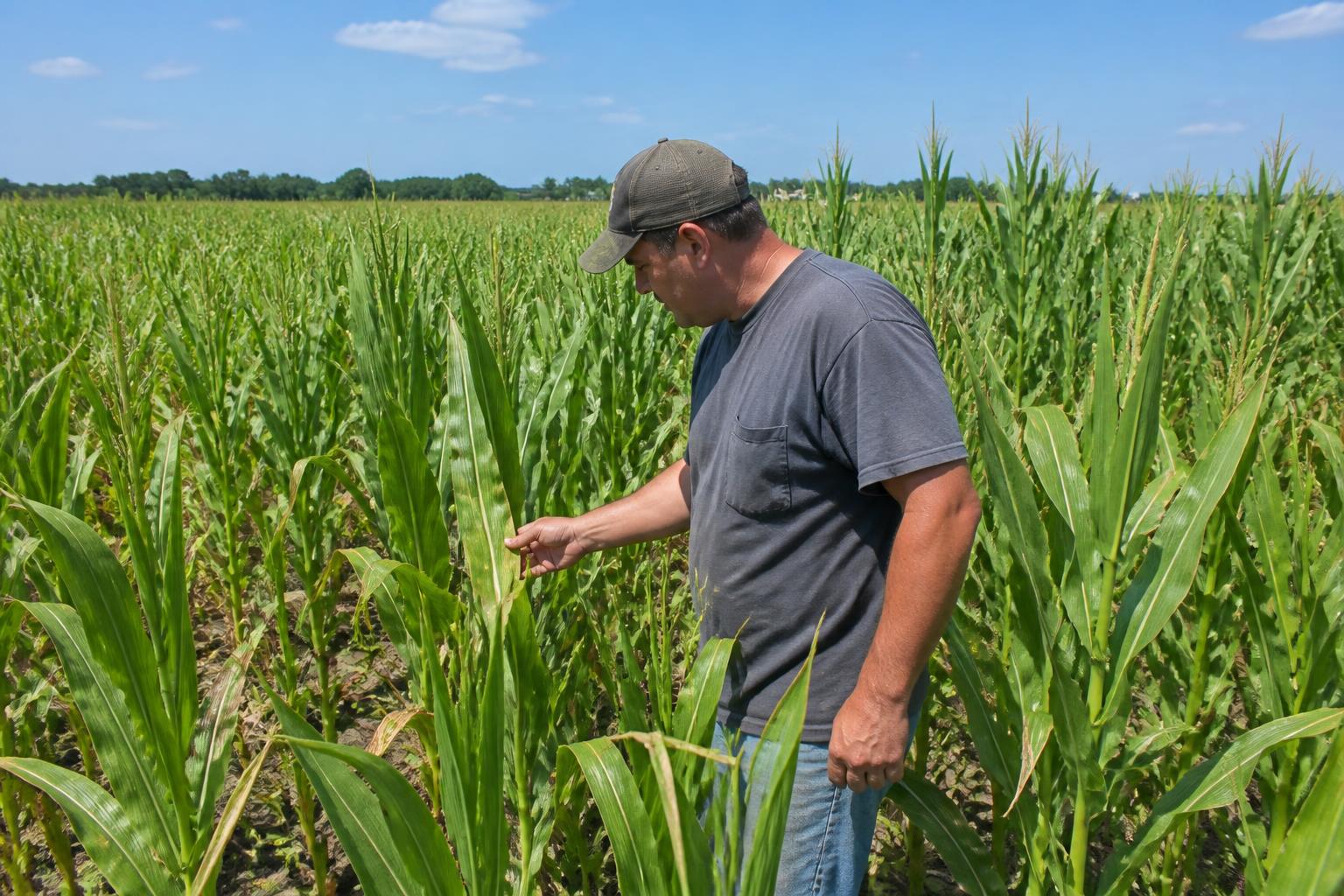
Summer in Nevada brings a distinct set of operational challenges for grain handlers and producers alike. While much of the national conversation centers on the shifting condition of the U.S. corn crop, growers in our region are focused on maximizing efficiency within the constraints of high-desert logistics. Maintaining steady operations during these peak temperature months often requires careful management of storage infrastructure and a proactive approach to transport scheduling.
For those managing grain movement across the state, navigating high-desert logistics remains a priority to ensure that supplies reach their destination despite the seasonal strain on equipment and transit routes. As we move through July, the heat can necessitate more frequent monitoring of grain moisture and bin health to avoid quality degradation before the material enters the supply chain.
Global Market Shifts and Local Impact
International developments continue to ripple through the broader agricultural economy. Recent reports of infrastructure disruptions impacting major export hubs abroad have highlighted the fragility of global grain transit. While these events take place far from the valleys of Nevada, they underscore the importance of local supply chain security. For producers looking to optimize their position, understanding how to buy grain in Nevada efficiently or manage local stockpiles can serve as a vital hedge against unpredictable market fluctuations.
Operational Readiness
Beyond external market pressures, success in this climate often comes down to internal resource management. Many operations are increasingly turning toward innovative water use and precise soil management to maintain yield consistency. Investing in robust storage systems and monitoring tools helps protect the bottom line, especially when regional transport corridors experience their typical summer congestion or maintenance-related slowdowns.
What it means for the market
The current market landscape is a reminder of how interconnected local performance is with broader industry shifts. By focusing on storage integrity and logistical planning, Nevada agribusinesses can maintain a competitive edge. Staying prepared for logistical bottlenecks and proactively managing inventory will likely be the difference-maker as the season progresses.
Comments
No comments yet - be the first to share your take.