
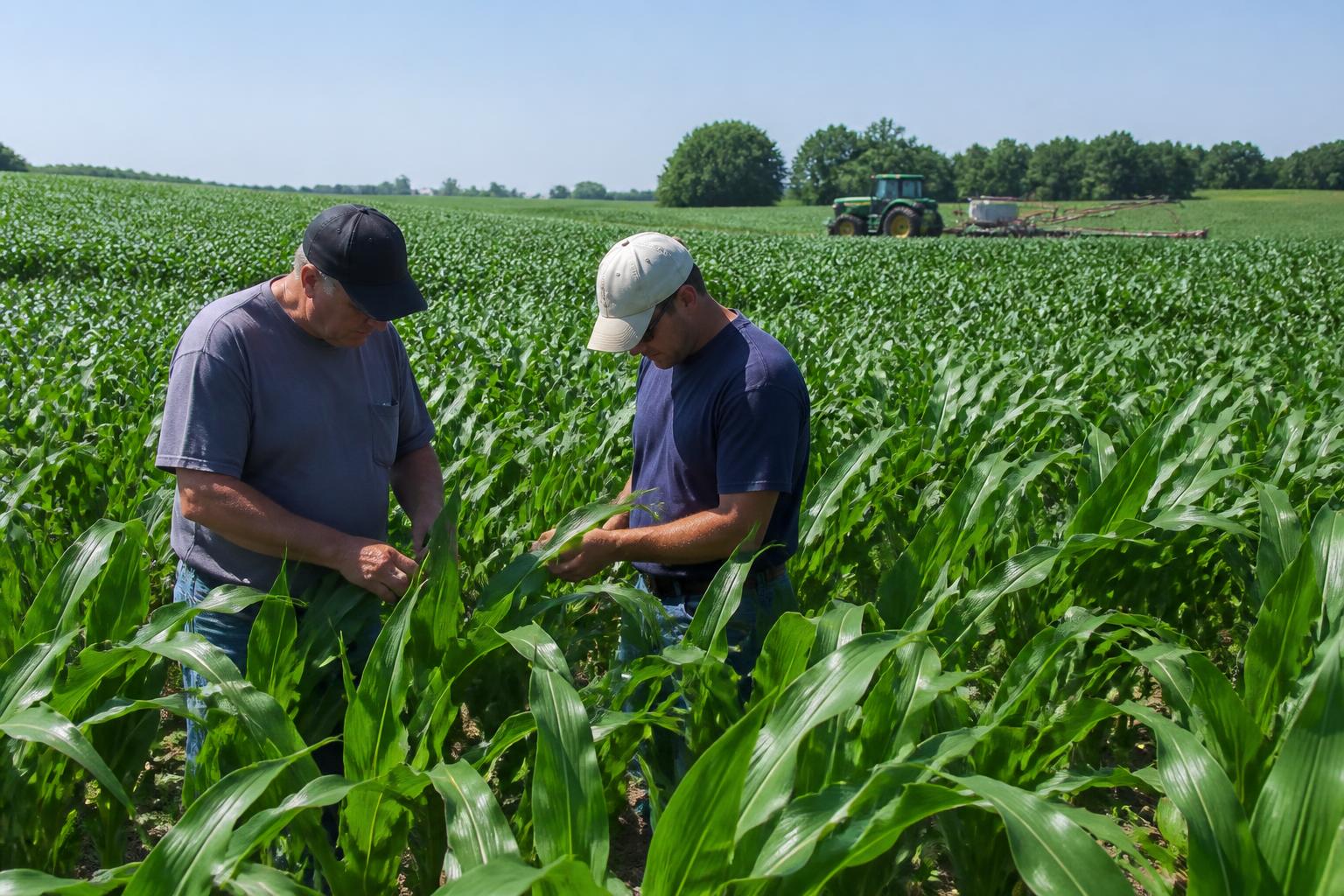
Mid-summer in Nevada often brings intense pressure on agricultural logistics. With harvest activities and routine field maintenance in full swing across the high-desert landscape, transportation remains a critical variable for producers managing slim margins. Producers across the state, from the northern valleys to the agricultural corridors near the state line, are keeping a close watch on fuel expenses, which continue to place significant strain on daily operations.
For many farm and ranch businesses, these ongoing pressures underscore the need for efficient load planning and resource management. Whether moving feed, supplies, or machinery between operations, the cost of diesel remains a primary factor in determining the feasibility of seasonal tasks. Understanding logistical bottlenecks in high-desert operations is essential for operators looking to mitigate the impact of volatile fuel pricing on their bottom line.
Adapting to Financial Uncertainties
The recent instability in federal funding programs has added another layer of complexity for many small and mid-sized Nevada farms. With some essential support programs facing abrupt changes, local operations are increasingly looking toward diverse strategies to maintain productivity. This environment has pushed many growers to re-evaluate their reliance on traditional support models while simultaneously focusing on localized market solutions, such as efforts to stabilize regional commodity prices.
Input and Production Management
As the growing season moves toward its late summer phase, maintaining crop health remains paramount. High temperatures continue to influence both the efficacy of input applications and the timing of field logistics. Efficient management, supported by a clear understanding of summer heat stress impacts on crop protection, can help prevent losses that would otherwise compound transport-related costs. Furthermore, as producers finalize their strategies, many are leaning on modern, resilient techniques to navigate the shifting climate and economic forecasts characteristic of our region.
What it means for the market
For Nevada agribusinesses, the current outlook requires a disciplined approach to both supply chain costs and risk management. While fuel and funding volatility present clear hurdles, operations that prioritize logistically lean practices and adaptive crop management are better positioned to weather these summer challenges. Monitoring local transport trends and staying informed on regional policy shifts will be vital for any operation planning to sustain activity throughout the remainder of the growing season.
Comments
No comments yet - be the first to share your take.