
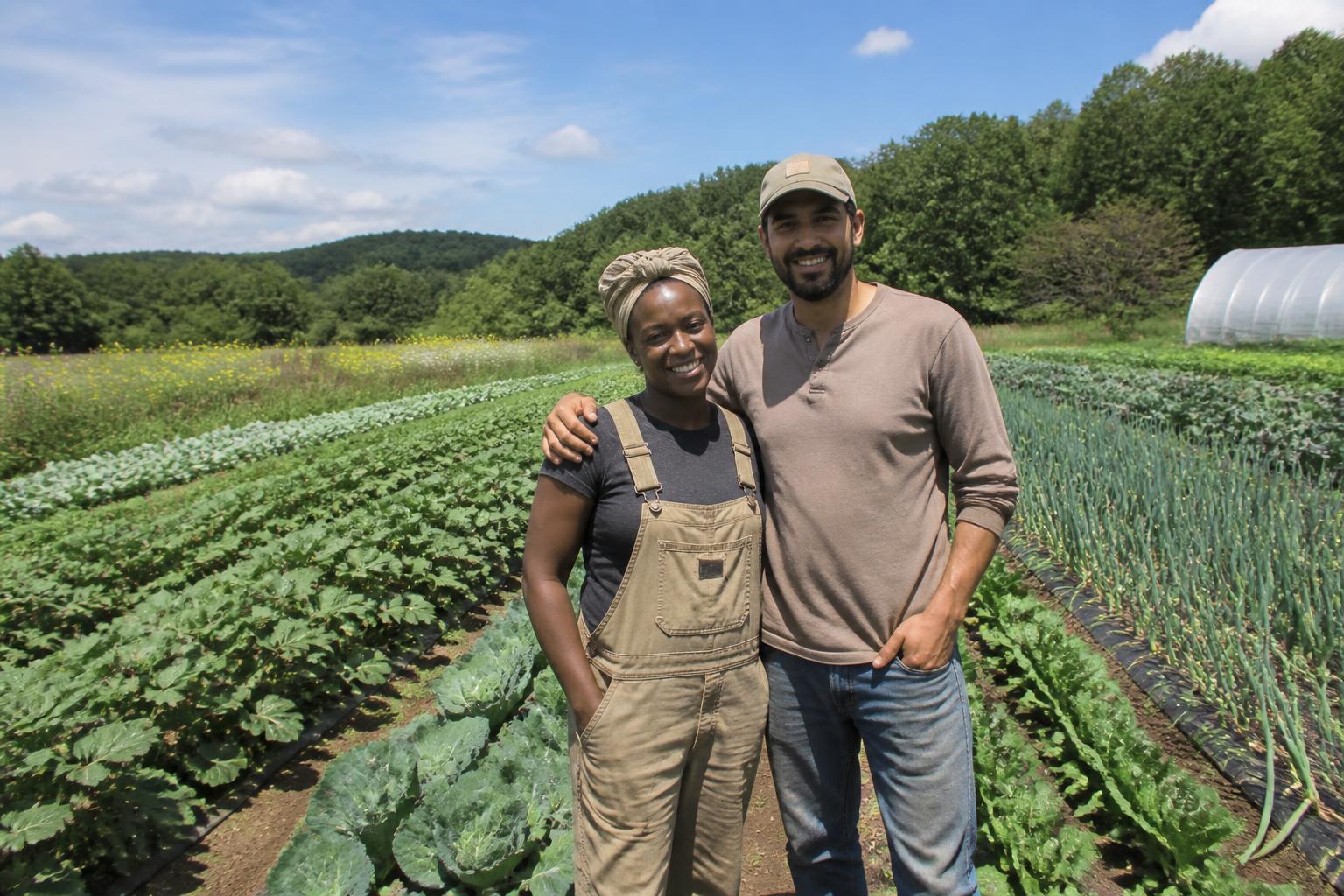
Mid-summer in North Carolina brings unique pressures to the agricultural supply chain. With peak summer operations in full swing, local elevators, processors, and transport fleets are balancing the need for consistent movement with the realities of seasonal traffic and regional infrastructure constraints. As producers look toward their upcoming harvest cycles, maintaining a fluid logistics strategy remains essential for market competitiveness.
Navigating Seasonal Supply Chain Variables
For many stakeholders across the state, the current window requires heightened vigilance regarding transport bottlenecks. Whether moving inputs for late-season care or coordinating the movement of livestock products, reliable transit is the backbone of regional resilience. Staying ahead of seasonal transit shifts is particularly vital for those managing tight delivery windows. Operations throughout North Carolina, from the coastal plains to the Piedmont, are often testing various mitigation strategies to ensure that local production continues to reach end-users without significant delays.
Adapting to Evolving Operational Realities
Logistics in the agricultural sector are seldom static. Shifts in supply chain reliance and broader economic indicators can influence how goods are moved and stored. Producers and carriers are increasingly focused on optimizing route planning and loading schedules to account for both short-term climate variables and the long-term need for infrastructure reliability. This collaborative approach between growers, logistics providers, and storage facilities helps shield the local food system from wider market disruptions.
What it means for the market
For farmers and agribusiness operators, the current climate reinforces the value of proactive planning. By monitoring regional infrastructure updates and maintaining clear communication with logistics partners, firms can better navigate the complexities of the mid-summer season. As harvest preparations gain momentum, prioritizing transparent supply chain workflows will likely remain a key indicator of operational success across North Carolina.
Comments
No comments yet - be the first to share your take.