
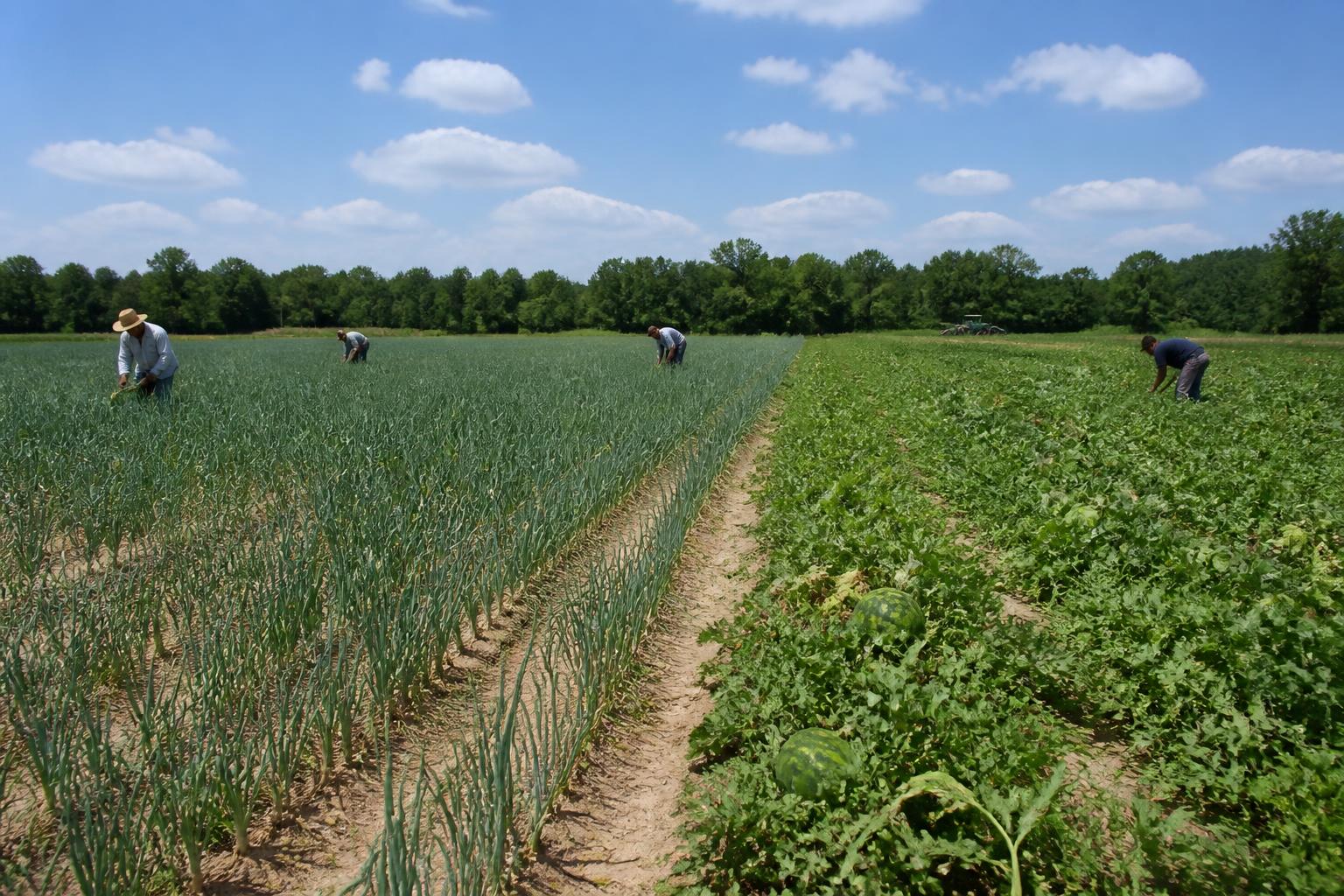
Mid-summer in Georgia brings a unique set of logistical challenges as various specialty crops hit the market. For producers and haulers, maintaining the integrity of the cold chain remains a critical component of ensuring that premium commodities reach their destination in top condition. Whether moving produce through major arterial routes or navigating smaller county roads near rural hubs, transport efficiency continues to be a central focus for stakeholders across the state.
Managing Seasonal Logistics
The state's diverse agricultural output, ranging from specialty onions to an expanding citrus sector, requires precise handling and timely delivery. As producers look to navigate current transport pressures, the emphasis shifts toward optimizing freight coordination. Reliable cold storage and refrigerated transport capacity are not just operational assets but are essential for managing the shelf-life demands of Georgia-grown perishables during the heat of July.
Efficiency and Infrastructure
Effective mid-summer agricultural logistics require constant communication between growers, processors, and carriers. With high summer temperatures placing additional strain on equipment, proactive maintenance and scheduling have become standard practices for those managing high-value loads. Regional hubs throughout Georgia serve as vital nodes where these logistics are tested, often requiring adaptive strategies to mitigate potential delays and maintain steady supply flows.
What it means for the market
For market participants, the current environment underscores the need for agile logistics planning. As we move through the heart of the summer, those who can secure consistent cold chain capacity and optimize their routing are better positioned to handle the seasonal peak. Balancing transport costs with the need for high-quality, timely delivery remains the primary driver of profitability for many agribusinesses operating within the state's robust agricultural infrastructure.
Comments
No comments yet - be the first to share your take.