
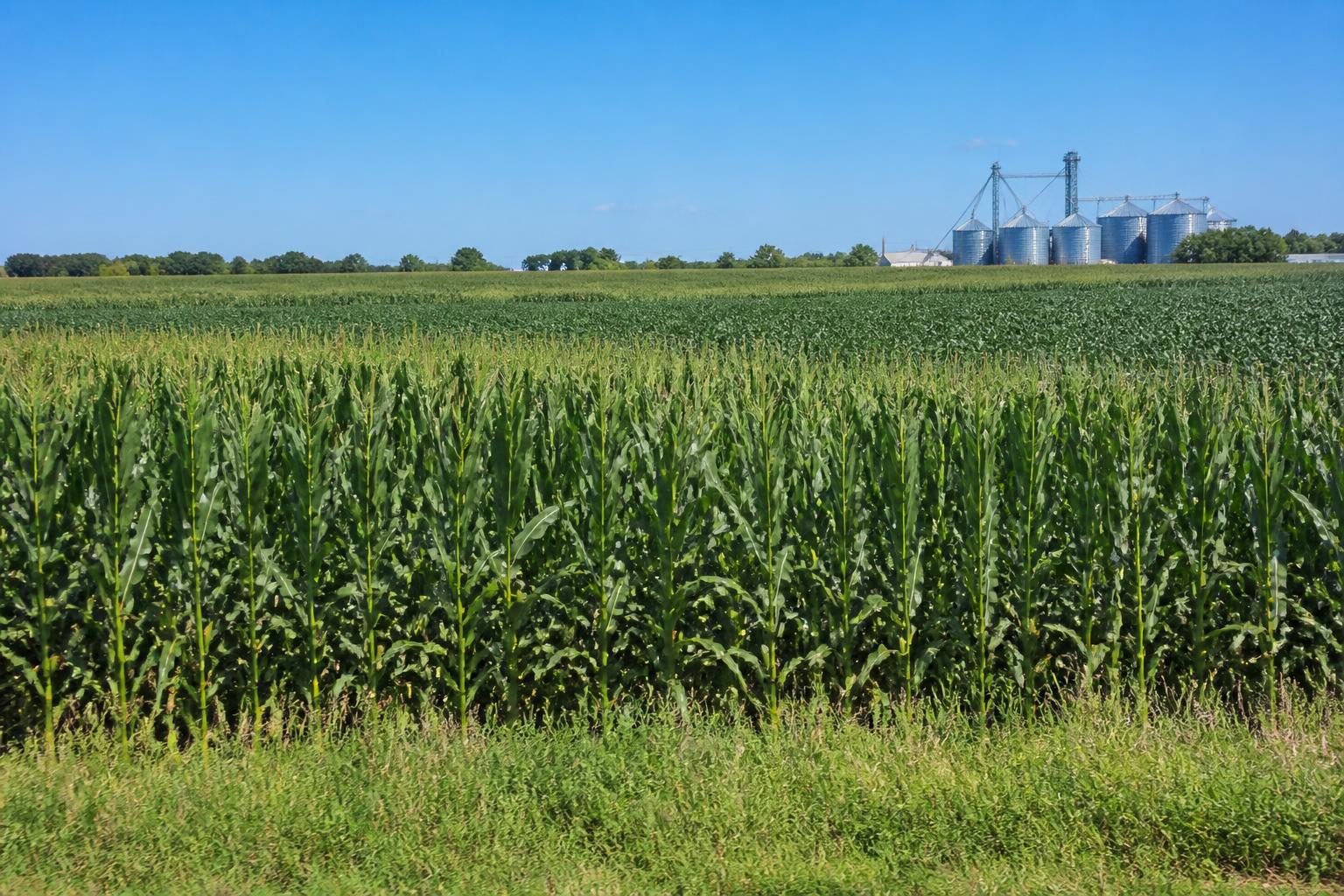
Oklahoma's agricultural sector remains in a period of active logistical adjustment as the summer season progresses. For producers and grain handlers, recent developments at key infrastructure nodes are signaling a focus on long-term efficiency. Notably, significant investments are underway at the Optima grain elevator, aimed at boosting facility throughput. Such enhancements are critical for local stakeholders who must manage the flow of commodities through regional corridors amidst the usual summer logistical pressures.
Infrastructure and Operational Readiness
The expansion at the Optima terminal serves as a reminder of the importance of throughput capacity for Oklahoma grain handlers. Maintaining fluidity is essential, particularly when seasonal harvest cycles put increased demand on local elevator operations. For carriers and handlers, these investments may provide more reliable outlets for regional grain, potentially reducing downtime during high-volume periods. As these upgrades move forward, operators are advised to stay closely connected with facility timelines to ensure their delivery schedules align with updated throughput capabilities.
For those managing the broader logistics chain, balancing current operational demands with long-term planning is essential. As Oklahoma harvest and logistics conditions continue to evolve, keeping a close watch on regional bottlenecks can provide a distinct advantage. Ensuring that grain movement remains consistent is not just a matter of capacity, but of efficient coordination between farm-gate activities and commercial storage sites.
Risk Mitigation and Program Enrollment
Beyond physical logistics, producers are navigating a shifting landscape of federal and regional policy. While individual operations manage daily transport and harvest flow, it is equally important to maintain a focus on financial safety nets. As grain handlers navigate ongoing supply strains, utilizing USDA commodity safety net programs can serve as a vital hedge against market volatility. Proactive engagement with these programs is a cornerstone of financial resilience for many Oklahoma farm businesses.
What it means for the market
For the Oklahoma agricultural community, this season emphasizes a dual approach: optimizing physical throughput via infrastructure investment and securing financial stability through established commodity programs. By aligning logistics with upgraded facility capacities and keeping a firm grasp on safety net deadlines, producers and handlers can better position themselves to withstand both short-term logistical hurdles and broader market uncertainties throughout the remainder of the summer.
Comments
No comments yet - be the first to share your take.