
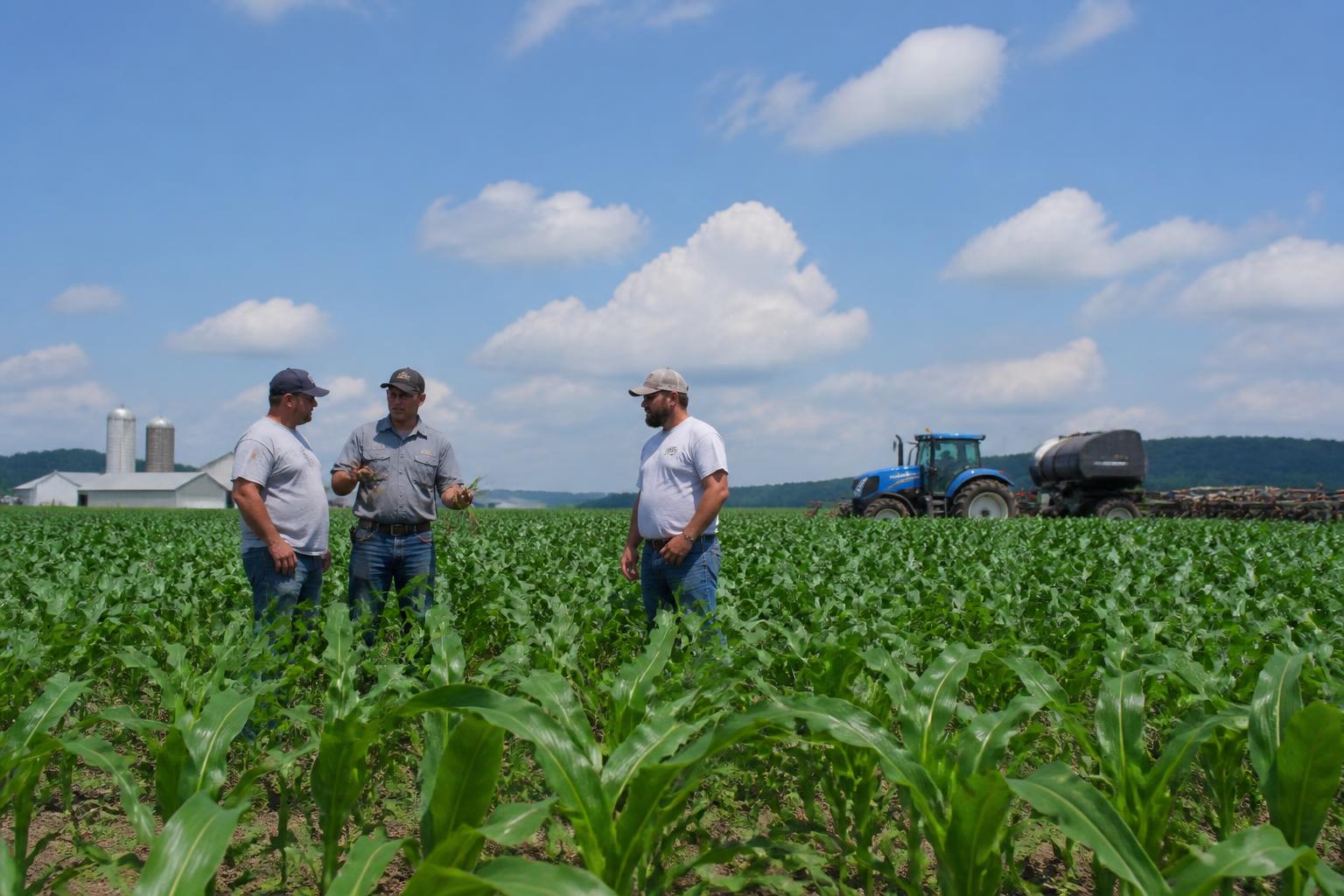
Pennsylvania producers are navigating a evolving landscape this summer as new investments in agricultural innovation aim to bolster local capacity. With over $1.3 million recently awarded in innovation grants, many operations in the central part of the state may find new avenues to enhance their efficiency, ranging from modernized processing to improved field-to-market technology.
For grain handlers and agribusinesses, these investments arrive at a critical time when balancing operational costs with infrastructure reliability remains a top priority. As highlighted in our recent look at Pennsylvania Agricultural Logistics, the movement of inputs and harvest yields often relies on maintaining fluid routes despite ongoing road work and seasonal construction patterns across major regional corridors.
Infrastructure and Operational Efficiency
Statewide initiatives, including recent economic development projects in Northeast Pennsylvania, are intended to strengthen the broader infrastructure network. While such projects may cause temporary congestion or necessitate detours for heavy freight and machinery, they are intended to address long-term transit limitations. Farmers and carriers are encouraged to stay informed on local construction updates to mitigate potential delays during peak movement periods.
Focusing on Profitability
Beyond logistics, the shift toward sustainable profitability continues to define the current season. Many producers are re-evaluating their input strategies, from seed selection to managing external threats like nuisance animals, which can significantly impact bottom-line yields. By focusing on site-specific profitability rather than high-yield targets alone, many operations are finding more resilient ways to manage market volatility.
What it means for the market: Producers and logistics providers in Pennsylvania should expect a continued emphasis on technological integration and infrastructure adaptation. While new grants provide a buffer for innovation, the immediate focus remains on efficient route management and strategic input purchasing to keep margins stable through the remainder of the summer season.
Comments
No comments yet - be the first to share your take.