
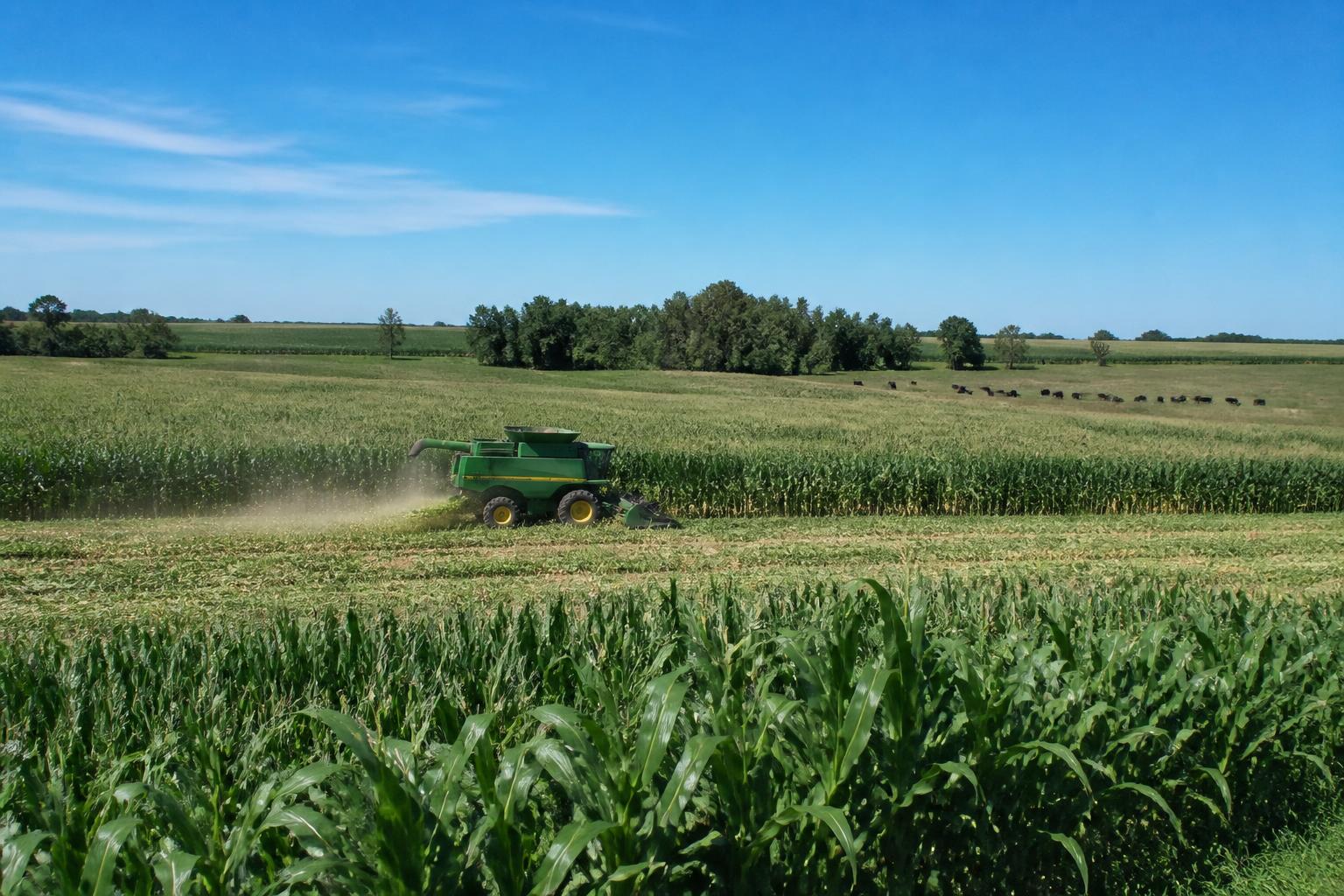
Nebraska farmers continue to navigate a complex input environment as the mid-summer season progresses. With persistent cost spikes impacting operations across the state, management of fertilizer programs remains a primary focus for growers looking to maintain yields while controlling overhead. Federal oversight and trade discussions surrounding meatpacking and fertilizer accessibility have kept producers closely monitoring long-term availability and pricing stability.
Innovative developments in production technology, such as the introduction of blue ammonia facilities utilizing advanced synthesis processes, are beginning to influence the regional landscape. These shifts in how inputs are generated may provide future buffers against global supply chain volatility. Meanwhile, field research continues to emphasize the integration of sustainable practices, such as cover cropping in corn and soybean systems, to improve nutrient efficiency and long-term soil health during these periods of financial caution.
Managing Inputs in a Tight Margin Environment
As farm stress builds gradually, producers in Nebraska are increasingly turning toward precision management to maximize the efficacy of every pound of applied nitrogen and phosphorus. Whether operating in the high-yield corn production areas or managing smaller operations, the current priority remains balancing necessary applications with the realities of tight margins. Tracking seasonal logistics and transportation bottlenecks is essential for ensuring that necessary inputs reach the farm gate without unexpected delays or additional delivery premiums.
Policy and Market Outlook
With the federal farm bill process still unfolding, the agricultural community remains attentive to legislative outcomes that could impact input subsidies and trade-related supports. The Nebraska Farm Bureau has noted that while progress is being made, significant work remains to ensure the final policy language addresses the specific challenges faced by local agribusinesses and grain handlers. Staying informed on these developments is critical as the industry prepares for the upcoming fall harvest and post-harvest soil management cycles.
What it means for the market: For Nebraska grain handlers and input buyers, the current market environment demands a proactive approach to procurement. Expect continued fluctuations in input costs driven by global energy markets and localized supply constraints. Maintaining open communication with suppliers and utilizing real-time logistical data will be key to mitigating risks throughout the remainder of the growing season.
Comments
No comments yet - be the first to share your take.