
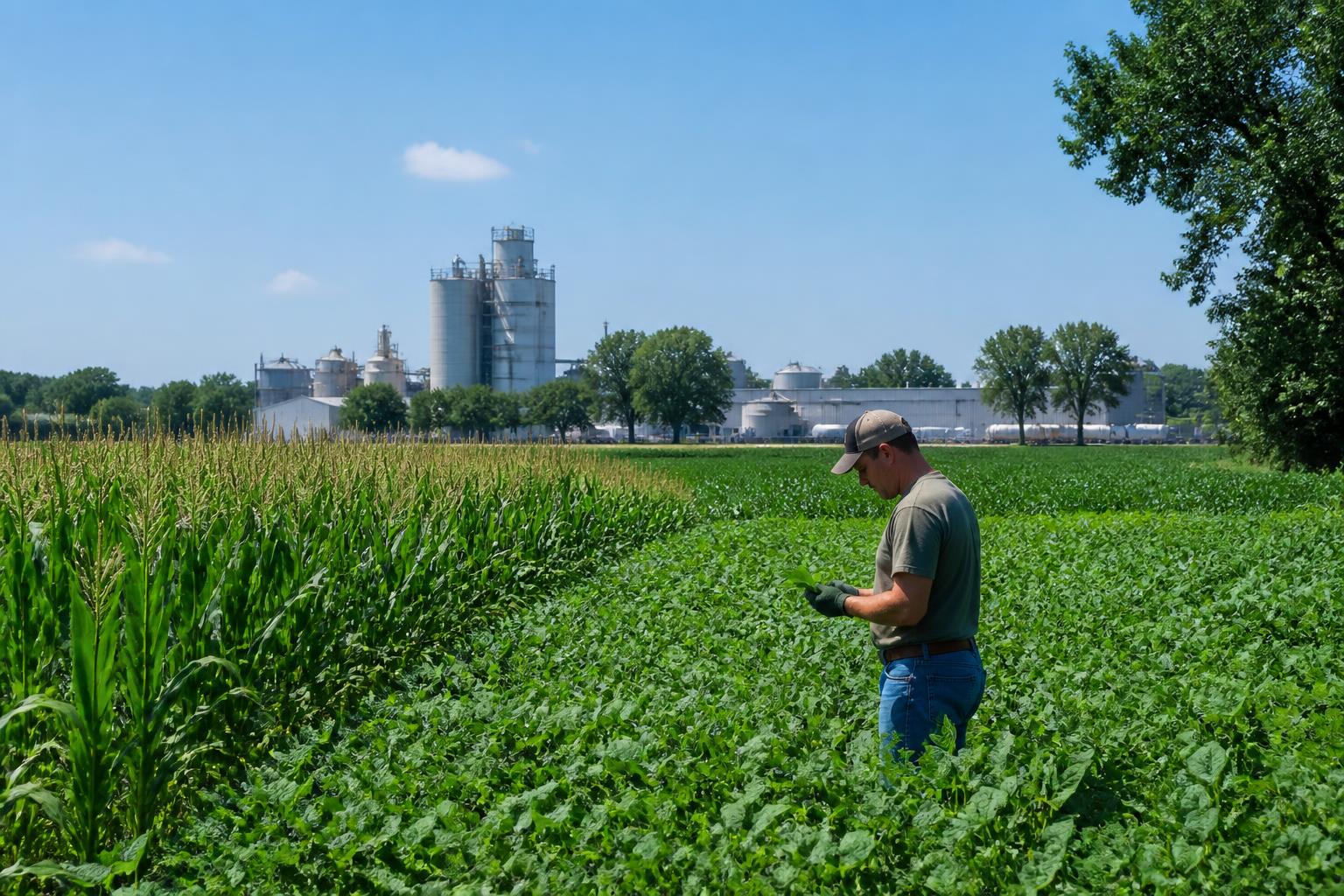
Mid-summer in Nebraska brings a unique set of logistical challenges and opportunities for the state's agricultural backbone. As we navigate late July, the focus remains on field efficiency and the resilience of our grain handling networks. For producers across the Platte River Valley and beyond, the current season emphasizes both the need for robust equipment readiness and an awareness of shifting state-wide infrastructure.
The landscape for local agribusiness is evolving with significant capital investment in processing capacity. The recent expansion of dairy operations, marked by substantial new facility development, underscores the ongoing shift toward higher-value processing within state lines. This growth may provide additional outlets for local farmers, though it necessitates careful planning regarding feed supply and logistical integration in counties experiencing industrial growth.
Infrastructure and Operational Resilience
As farm operations continue to grapple with persistent cost spikes, efficiency is the recurring theme. Whether moving machinery between fields via regional corridors or managing post-harvest logistics, the industry is increasingly focused on tools that reduce downtime. Recent advancements in equipment handling, such as universal implement movers, are gaining traction as producers look for ways to streamline movement across varied terrain. Such tools can be essential during the busy mid-summer window when timing is critical for maintaining field input efficiency and managing crop health.
Furthermore, safety remains a priority as the industry looks toward future training initiatives. Partnerships aimed at improving grain bin safety equipment and education are already being solidified for future seasons. These programs are vital for maintaining a secure environment for both permanent site staff and seasonal labor as storage facilities see increased utilization.
Regulatory and Market Environment
Nebraska's legislative climate continues to prioritize the sovereignty of agricultural data, a move that may influence how producers interact with precision technology vendors and service providers. Coupled with ongoing national discussions regarding the future of the USDA, local handlers are keeping a close watch on policy shifts that could impact trade, export inspections, and overall market stability. Producers are encouraged to maintain lean operations to mitigate the impact of global supply chain volatility that continues to influence fertilizer and input pricing.
What it means for the market: For Nebraska stakeholders, the takeaway is clear: success in the current climate requires a blend of technological adoption and logistical agility. As the industry moves through the summer, keeping a tight grip on operational costs while leveraging new regional processing capacity will be the key to navigating the remainder of the 2026 season.
Comments
No comments yet - be the first to share your take.